In today’s world, security is a top priority for homeowners. Solar surveillance cameras have emerged as a popular solution. These cameras harness solar energy, reducing reliance on traditional power sources. According to a 2023 report from the Global Solar Industry, the market for solar-powered devices is expected to grow by 25% annually. This growth reflects the increasing demand for sustainable security solutions.
Choosing the best solar surveillance camera requires careful consideration. Features like video quality, battery life, and storage options are vital. A camera’s resolution can determine its effectiveness in identifying potential threats. For instance, a model with 1080p resolution can offer clearer images than lower-resolution alternatives. Homeowners must also consider the camera's range and connectivity options, which varies significantly across brands.
While solar surveillance cameras provide numerous benefits, some models may not perform optimally in all conditions. Factors like weather and installation location can affect performance. Users should explore reviews and seek feedback from others to find the right match. Balancing these considerations can lead to effective home security.
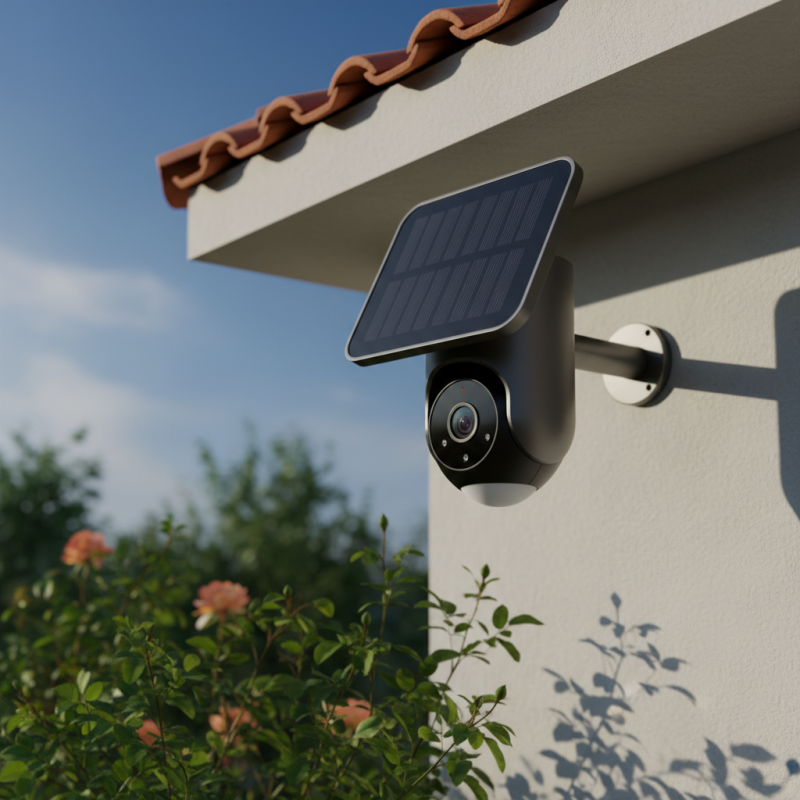
Solar surveillance cameras are becoming popular for home security. They offer versatile benefits like remote monitoring and are eco-friendly. When choosing such a camera, several key features should be considered.
One important feature is battery life. Many solar cameras rely on solar power to function. A camera with a longer battery life can provide continuous surveillance. According to recent reports, over 40% of homeowners cite battery efficiency as a top priority. Look for models with rechargeable lithium batteries for enhanced longevity.
Tip: Check the solar panel size. A larger panel generally captures more sunlight, ensuring optimal performance during cloudy days.
Another significant aspect is image quality. Clear video is crucial for identifying individuals or events. Aim for a camera with at least 1080p HD resolution. Many users report feeling more secure with high-definition footage. Keep in mind that storage options also matter. Some systems allow cloud storage or local storage, depending on your preferences.
Tip: Consider cameras with night vision capabilities. Clear images at night provide additional security.
While solar surveillance cameras make life easier, they aren't foolproof. Environmental factors can affect their efficiency. Regular maintenance and adjustments are necessary to ensure peak performance.
When choosing a solar surveillance camera, image quality is paramount.
High resolution leads to clearer images. Look for cameras that offer at least 1080p resolution for good detail. This clarity helps identify people and objects effectively, especially at night. Many cameras use infrared technology for low-light conditions.
Test images taken in various settings to ensure quality.
Tips: Check demo videos online. Look for night vision performance. Adjust settings to see how lighting affects the footage.
Don’t overlook image compression. Lower compression can enhance details but use more storage. Balance is key. Be ready to adjust camera positions for the best field of view. Sometimes, mounting height or angle significantly impacts footage quality.
Tips: Experiment with different angles. Review footage from different locations. Assess if the coverage meets your needs.
Reflection is essential. If the camera doesn’t perform as expected, reassess your choices. Image quality is more than just resolution; it’s understanding settings, environment, and usage.
When choosing a solar surveillance camera, battery life and solar efficiency are key factors. A camera that operates on solar power must have a reliable battery. A good battery allows for continuous recording, especially on cloudy or rainy days. Inspect the specifications for battery capacity and charging time. Some batteries may drain faster than expected. Inconsistent performance can be frustrating.
Solar efficiency is equally important. Look for cameras that maximize sunlight conversion. A camera with a solar panel tilt can catch more rays. The location matters, too. Obstructions like trees or buildings can limit sunlight intake. If your camera’s panel is shaded for much of the day, the battery will struggle.
Tips:
- Position the camera in a sunny spot.
- Check the solar panel for debris regularly.
- Know your battery’s lifespan and replace it when necessary.
Evaluate these details carefully. Opting for a visually appealing camera may lead to poor performance. A balance of aesthetics and functionality is essential. Reflect on your specific needs before making a final decision.
| Camera Model | Battery Life (Days) | Solar Efficiency (%) | Video Resolution | Night Vision |
|---|---|---|---|---|
| Model A | 30 | 85 | 1080p | Yes |
| Model B | 45 | 90 | 720p | Yes |
| Model C | 20 | 75 | 1080p | No |
| Model D | 35 | 80 | 4MP | Yes |
When choosing a solar surveillance camera, connectivity is crucial. Wi-Fi and cellular options each have distinct advantages. According to industry research, nearly 70% of homeowners prefer Wi-Fi cameras for their ease of setup. Wi-Fi cameras can connect to your home network, allowing for real-time streaming. They usually work well for those with stable internet connections.
However, rural homeowners may face challenges with Wi-Fi reliability. Cellular cameras come into play here. These devices can transmit data through mobile networks. Reports indicate that they provide better coverage in isolated areas. Their reliability in low-signal zones is notable. For families living where Wi-Fi isn’t available, cellular is often the only solution.
Each option has drawbacks. Wi-Fi can suffer from interference, leading to streaming issues. Cellular models typically have monthly fees. Users should weigh these factors carefully. The wrong choice might lead to compromised security. Evaluating your location and internet needs is when you need to think critically.
When choosing the best solar surveillance camera for your home, assessing durability is vital. Weather resistance stands out as a key factor. Research shows that nearly 30% of outdoor cameras fail due to water damage and extreme temperatures. Look for cameras that have high IP ratings, which indicate strong resistance against dust and water. An IP rating of at least IP65 ensures your camera can handle rain and snow.
Installation locations also play a crucial role in camera performance. Ideally, position your solar camera where it receives ample sunlight to optimize battery life. A study found that cameras installed in shaded areas lead to a 50% reduction in battery efficiency. Consider locations that are elevated but shielded from direct exposure to harsh elements. This balance enhances both durability and functionality. Regularly checking these cameras for weather-related wear can prevent unexpected failures.
In summary, weather resistance and strategic placement are essential. They can make or break your solar camera’s reliability. Choosing the right features will help ensure your home security remains intact despite the challenges of the environment.
: Battery life is key. A longer-lasting battery ensures continuous surveillance, especially during cloudy days.
A larger solar panel captures more sunlight, enhancing performance even in low-light conditions.
Clear video, ideally 1080p HD, helps in identifying people or events clearly, increasing security.
Yes, night vision allows for clear images in the dark, adding an extra layer of security.
Obstructions like trees can limit sunlight, impacting battery efficiency and overall performance.
Yes, Wi-Fi is easier to set up, while cellular offers better coverage in rural areas.
Know your battery’s lifespan and be prepared to replace it when necessary to maintain performance.
Yes, a visually appealing camera may be less effective. Balance looks and functionality for best results.
Wi-Fi cameras can experience interference, affecting streaming capabilities. Stability matters for security.
Cellular cameras are essential for areas with poor Wi-Fi, providing reliable data transmission where needed.
When selecting the best Solar Surveillance Camera for your home, it’s crucial to understand its key features. Consider aspects such as resolution and image quality, as these directly affect the clarity of surveillance footage. Ensuring that the camera has adequate battery life and solar efficiency is also vital, as it determines how well the camera operates in various lighting conditions.
Furthermore, assess connectivity options, choosing between Wi-Fi and cellular capabilities for remote monitoring convenience. Finally, durability is essential; opt for models that offer weather resistance to withstand environmental challenges and can be installed in various locations around your property. By taking these factors into account, you can choose a Solar Surveillance Camera that meets your security needs effectively.

Psennikow