Top Tips for Choosing the Right CCTV Dome Camera for Your Needs?

Time:2026-03-11 Author:Madeline
0%

Choosing the right CCTV dome camera can be overwhelming. With many options available, making a decision requires careful thought. CCTV dome cameras are popular for their sleek design and versatility. They blend seamlessly into various environments, enhancing security without being obtrusive.

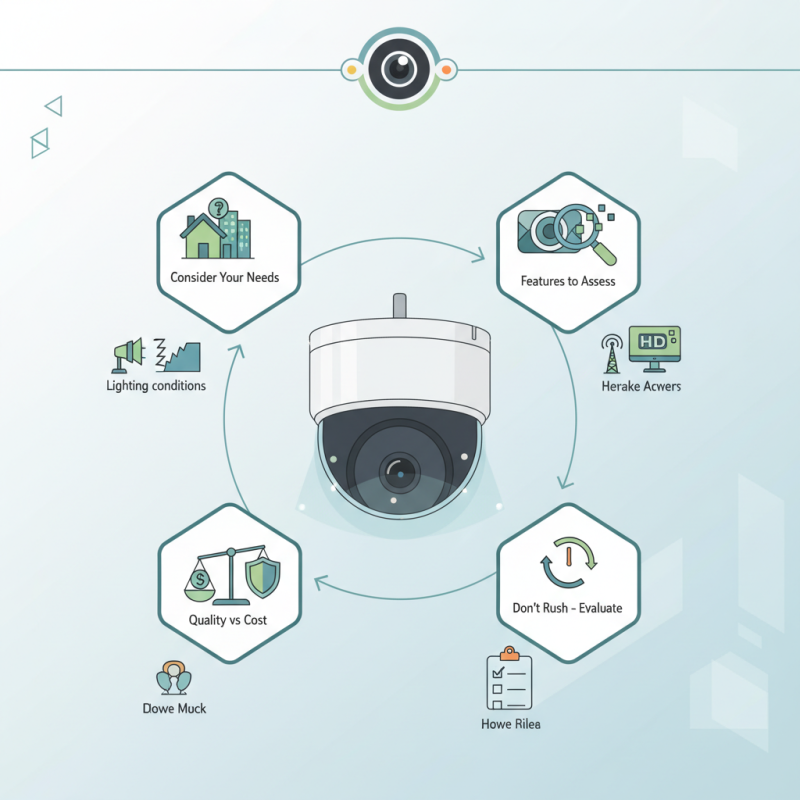
It’s essential to consider your specific needs. Think about the areas you want to monitor. Consider lighting conditions and potential obstacles. A camera that works well in one location might not perform as expected in another. There are features to assess, like resolution and how the camera connects to your network. These details matter greatly.

Reflecting on your choices can reveal much. Sometimes, the cheapest option may not provide the quality you expect. A better camera may cost more upfront but give better security in the long run. Don't rush; take time to evaluate your options carefully to find the perfect CCTV dome camera for your needs.
Top Tips for Choosing the Right CCTV Dome Camera for Your Needs?

Understanding the Different Types of CCTV Dome Cameras Available

When selecting a CCTV dome camera, understanding the types available is crucial. Various models cater to different needs, including indoor, outdoor, and specialized environments. According to industry reports, the global market for dome cameras is forecasted to grow significantly. This rise emphasizes the demand for tailored solutions.

One popular type is the fixed dome camera. It offers stable viewing angles and is often used in retail spaces. These cameras are typically cost-effective. However, they lack the versatility of models with pan-tilt-zoom (PTZ) capabilities. PTZ cameras allow for adjustable views, an essential feature for monitoring larger areas. But, these models tend to be pricier.

Consider the installation environment. Weather-resistant cameras are necessary for outdoor locations. Indoor models may focus on aesthetics. Additionally, it's vital to assess the camera's resolution. Higher resolution often means clearer images, but can also increase storage needs. Balancing quality and storage is a common challenge.

Here are a few tips: Ensure the camera has adequate low-light performance. Check user reviews for real-world performance insights. Lastly, consider whether the camera includes features like motion detection. Each feature impacts overall effectiveness, highlighting the importance of informed choices.

Top Tips for Choosing the Right CCTV Dome Camera for Your Needs

Feature Description Types of Dome Cameras Best Use Cases
Resolution Refers to the clarity of the image, typically measured in megapixels. Standard Definition (SD), High Definition (HD), 4K Ultra HD General surveillance, low-light conditions
Lens Type Determines the field of view and distance; can be fixed or varifocal. Fixed Lens, Varifocal Lens Wide area monitoring, focusing on specific objects
Weatherproof Rating Indicates the camera's ability to withstand outdoor conditions; rated by IP (Ingress Protection). IP66, IP67 Outdoor surveillance, inclement weather
Night Vision Presence of infrared capabilities for clear images in darkness. Infrared, Color Night Vision Low-light environments, night monitoring
Smart Features Advanced functionalities like motion detection and alerts. AI-Powered, Smart Analytics High-security areas, automated monitoring

Evaluating Camera Resolution and Image Quality for Your Needs

When selecting a CCTV dome camera, image quality is crucial. Higher resolution cameras capture more detail, making it easier to identify faces or objects. Look for cameras with at least 1080p resolution for clear images. However, these cameras may not always perform well in low light. Consider models that offer good low-light capabilities.

Tip: Always test the camera's image quality in the actual environment. Sometimes, a camera might look great in a store but perform poorly at home.

Additionally, the lens size affects image quality. Wider lenses provide better image clarity in larger areas. However, they may struggle to focus on distant objects. If you need to monitor a specific area, a standard lens may work best.

Tip: Don't forget to review video samples. Real-world footage often reveals a camera's true performance better than specifications. Seek out those who have used the camera to gather honest feedback. This helps avoid settling for less than ideal quality.

Key Features to Look for in CCTV Dome Cameras

When choosing a CCTV dome camera, certain features are essential. Look for resolution. Higher resolutions provide clearer images, which are crucial for identifying details. A camera with at least 1080p HD can make a significant difference. Think about the lens. A wider lens captures more area, reducing the number of cameras needed.

Night vision capability is another key point. Cameras with infrared technology allow for clear footage in low light. Don’t overlook the camera's field of view. A wider angle can cover more ground but may distort images on the edges. It's tricky to find the perfect balance.

Also, consider the durability of the dome. Some cameras are less resistant to the elements. If the camera is for outdoor use, ensure it meets weatherproof ratings. Many users forget to check installation requirements, like mounting options and power supply. Reflect on how these details impact overall function. A great camera can still falter if not installed correctly. Choices can feel overwhelming, but focusing on these features helps clarify your options.

Assessing the Importance of Low Light and Night Vision Capabilities

Choosing the right CCTV dome camera involves many factors. One critical aspect is its low light and night vision capabilities. These features determine how well the camera performs in dim environments. Without sufficient night vision, you may miss important details.

When assessing low light performance, look for cameras with larger sensor sizes. Larger sensors typically capture more light. Also, consider the camera's aperture. A wider aperture allows more light to enter, enhancing night vision. These specifications can significantly impact image quality.

Effective night vision is crucial for security. Infrared capabilities are essential when operating in total darkness. Cameras with high-quality IR LEDs ensure clear footage. Poor quality night vision can lead to grainy images. Test the camera at various low-light settings before making a decision.

Analyze your specific needs too. Assess the areas requiring surveillance. Will you need a 24-hour view? If so, prioritizing cameras with strong low light performance is vital. A camera that excels during the day may struggle at night. Balancing features is key to finding the right model.

Determining the Best Mounting Options for Your Installation Requirements

When choosing a CCTV dome camera, mounting options play a crucial role. Consider your environment. Are you installing indoors or outdoors? The mounting surface matters. For smooth walls, standard brackets work well. For rough textures, choose adjustable mounts to ensure a secure fit. Each option has pros and cons, and this can affect your installation process.

Some may overlook the angle of installation. High ceilings can pose challenges. Ensure the camera captures the desired field of view. Tilt adjustments help, but not all mounts allow for this flexibility. Think about potential obstructions as well. Plants or furniture might hinder the camera's line of sight. It’s easy to miss these details during planning.

Pay attention to cable management as well. Hidden wires look tidy, but this requires careful planning. Mounts that conceal cables can be useful, yet they complicate future maintenance. If something goes wrong, accessing those hidden cables might become a nightmare. Always weigh the aesthetics against practicality when making your choice.

FAQS

: Why are low light and night vision capabilities important for CCTV cameras?

: These features determine how well cameras perform in dim environments. Poor night vision may cause missed details.

What sensor size is best for low light performance?

Larger sensor sizes typically capture more light, enhancing image quality in low light conditions.

How does aperture affect night vision?

A wider aperture allows more light to enter, significantly improving night vision performance.

What should I know about infrared night vision?

High-quality infrared capabilities are crucial. Poor IR quality can lead to grainy or unclear footage.

How should I approach camera placement for optimal coverage?

Assess potential obstructions and ensure the camera's field of view isn’t blocked by furniture or plants.

What mounting options should I consider?

Choose mounts based on your environment. Smooth walls may need standard brackets, while rough textures need adjustable mounts.

How does cable management impact installation?

Hidden cables look tidy, but can complicate future maintenance. It’s vital to balance aesthetics with practicality.

What challenges do high ceilings present for camera installation?

They can complicate field of view capture. Ensure the mounting option allows for tilt adjustments if needed.

Why is it important to test cameras in various lighting settings?

Testing helps gauge night vision effectiveness and ensures the camera meets your specific surveillance needs.

What should I prioritize when choosing a camera for 24-hour surveillance?

Focus on cameras with strong low light performance to ensure reliable operation around the clock.

Conclusion

When selecting the right CCTV dome camera for your specific needs, it's essential to understand the various types of cameras available in the market. Each type offers unique features and capabilities tailored to different surveillance requirements. Evaluating camera resolution and image quality is another crucial aspect, as higher resolution can significantly enhance visibility and detail in recorded footage.

Key features such as motion detection, remote access, and weatherproof designs play a vital role in determining the overall functionality of the CCTV dome camera. Additionally, assessing low light and night vision capabilities is important for maintaining effective surveillance in different lighting conditions. Lastly, selecting suitable mounting options will ensure that your camera installation meets your specific spatial and aesthetic requirements, enhancing the overall effectiveness of your surveillance system.


Madeline

Madeline

Madeline is a dedicated marketing professional with a wealth of expertise in our company's core offerings. With a keen understanding of the industry, she brings a unique perspective to her role, consistently delivering high-quality content that highlights the superior aspects of our products. As......