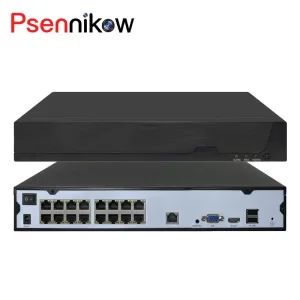
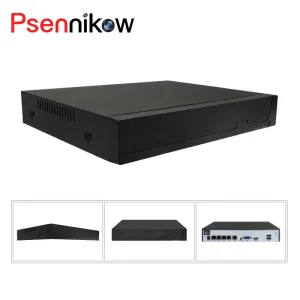
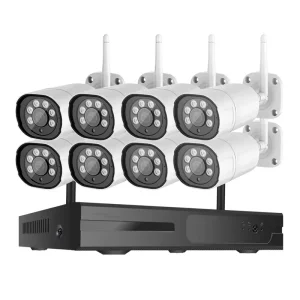
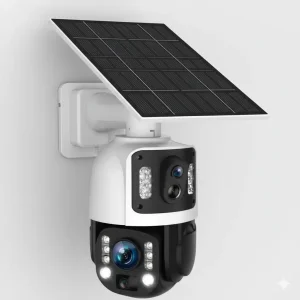
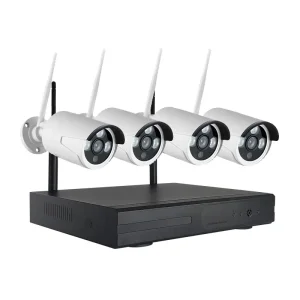
Select industrial configurations certified for global import, built with proprietary video processing pipelines and IP66/IP67 weatherproofing enclosures.
Years of Engineering Experience
Expert Production Personnel
Square Meters Production Area
B2B Client Support Availability
CCTV bullet cameras remain the cornerstone of physical security infrastructure across industrial, municipal, and commercial sectors. Their distinctive cylindrical shape serves not only as an active visual deterrent but also allows for the integration of long-range varifocal lenses, powerful infrared (IR) illuminators, and heat-dissipating aluminum casings. Today, the global demand for bullet cameras has expanded past basic analog capture toward smart edge-computing platforms that process real-time events. Integrating seamlessly with local network storage (NVRs) and cloud structures, these cameras are key tools in threat mitigation.
According to current market intelligence, the migration from legacy analog setups to high-definition coaxial systems (such as AHD, TVI, and CVI) and IP-based digital cameras is accelerating. This evolution is driven by the drop in raw silicon costs and the widespread availability of high-efficiency video coding (HEVC), primarily H.265 and H.265+. Enterprise buyers are increasingly looking for systems that balance bandwidth conservation with high resolution. This is where advanced manufacturing steps in, optimizing local video streams to deliver clear, uncompressed evidence without overloading network storage pipelines.
For security systems imported into the European Economic Area (EEA), the CE (Conformité Européenne) mark is not just a regulatory formality—it is a critical safety and compliance standard. A CE certification indicates that a CCTV bullet camera complies with essential European directives, including:
Without true CE verification, importers face significant compliance liabilities, including confiscation at customs, structural recall orders, and substantial financial penalties. As a specialized OEM manufacturer, Shenzhen Xin Vision Technology ensures that every board, sensor, and shell meets these rigorous standards.
Fully compliant with EU directives to prevent RF interference and electrical safety incidents.
Optimized energy-consumption models designed for standalone solar systems and battery nodes.
Utilizes IP66/IP67 rated aluminum alloy structures to survive in extreme outdoor environments.
A professional industrial enterprise integrating development, manufacturing, and global sales of advanced security hardware.
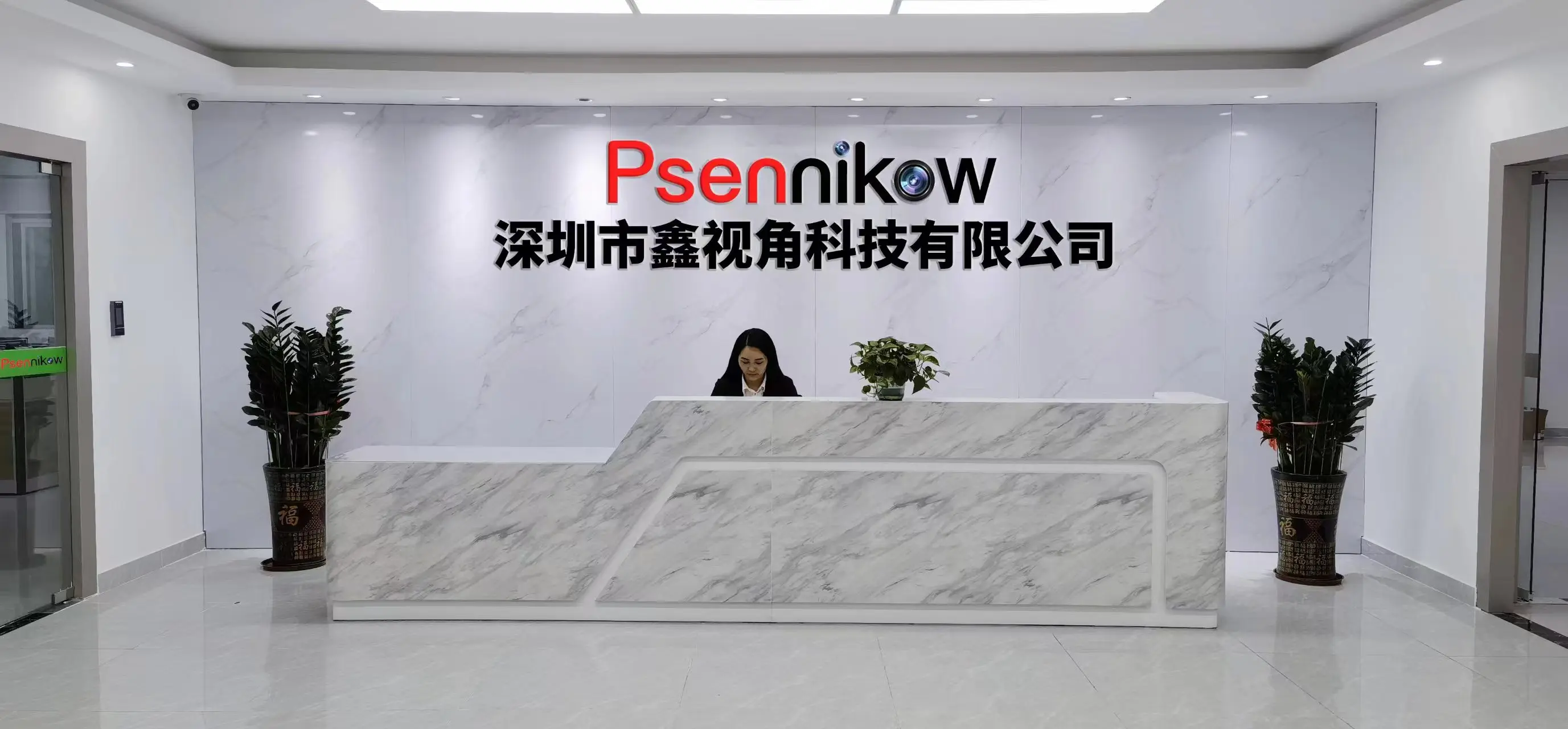
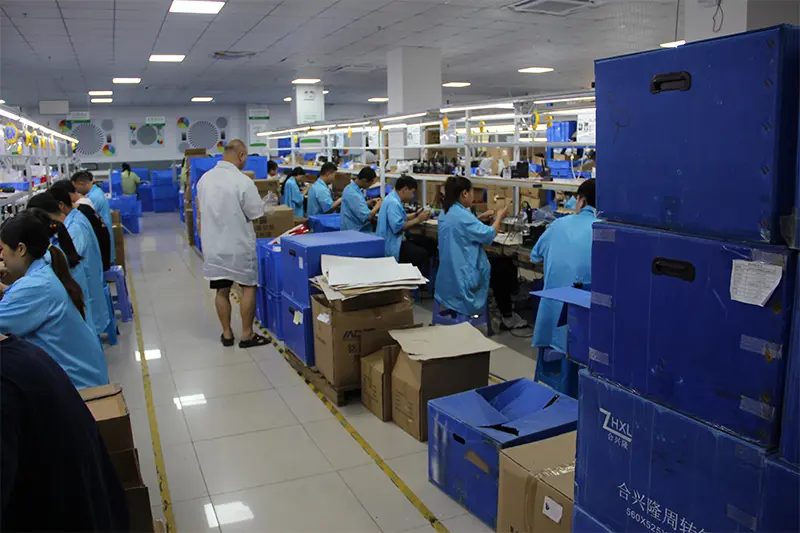
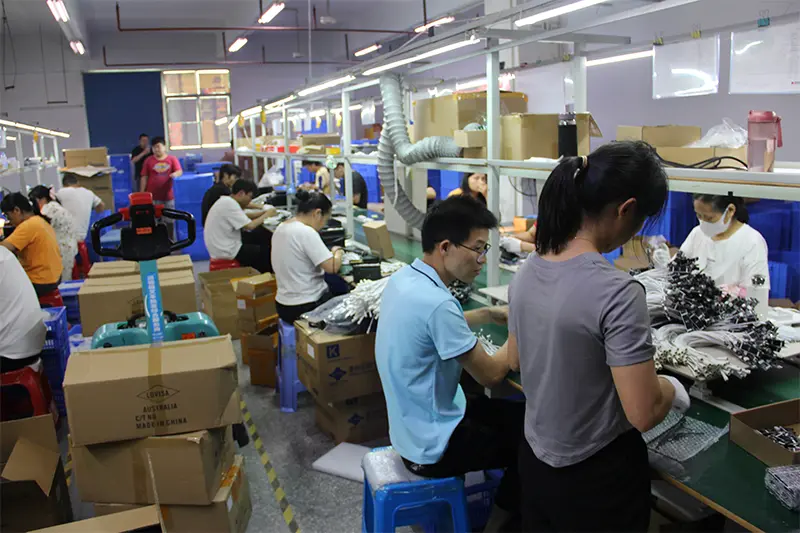
Founded in 2013, Shenzhen Xin Vision Technology Co., Ltd. (operating as Shenzhen Xin shi jiao Technology Co., Ltd.) brings over 15 years of deep industry expertise to the global market. Over the years, we have built a reputation based on professional integrity, win-win business models, and technical innovation. Our production facility is designed to meet complex OEM/ODM projects, with custom manufacturing pipelines for solar security cameras, high-definition IP network systems, and coaxial CCTV suites.
Our engineers started with a clear goal: to make reliable, high-performance security technology accessible to more organizations worldwide. We overcame early limitations in traditional analog distance limits by engineering advanced coaxial high-definition cameras and robust digital network solutions. Today, our products are widely deployed by government agencies, transport authorities, private enterprises, schools, and medical facilities, helping protect critical assets and communities worldwide.

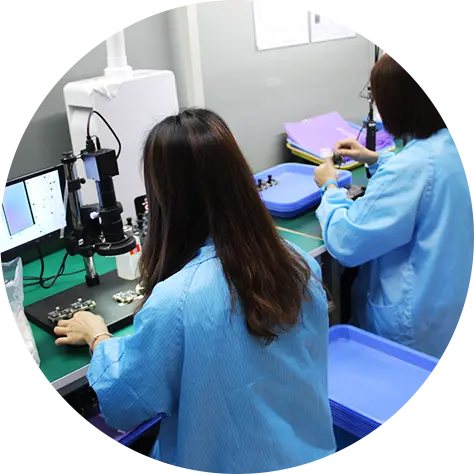
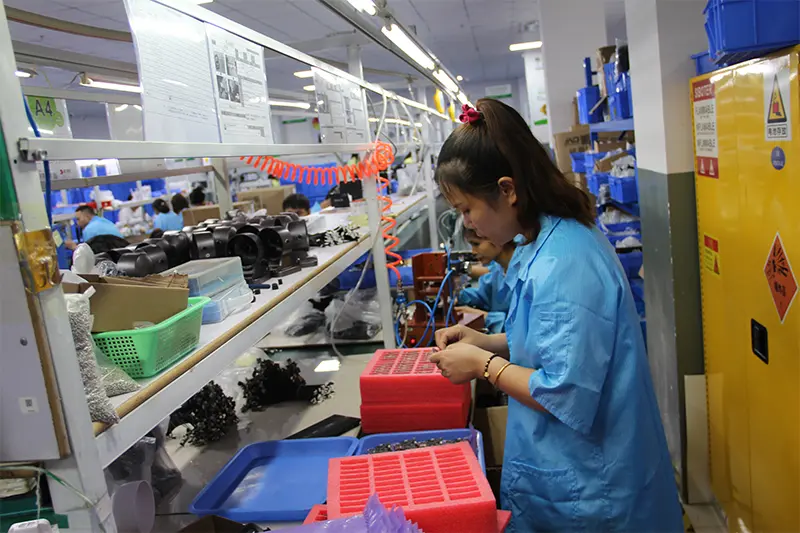
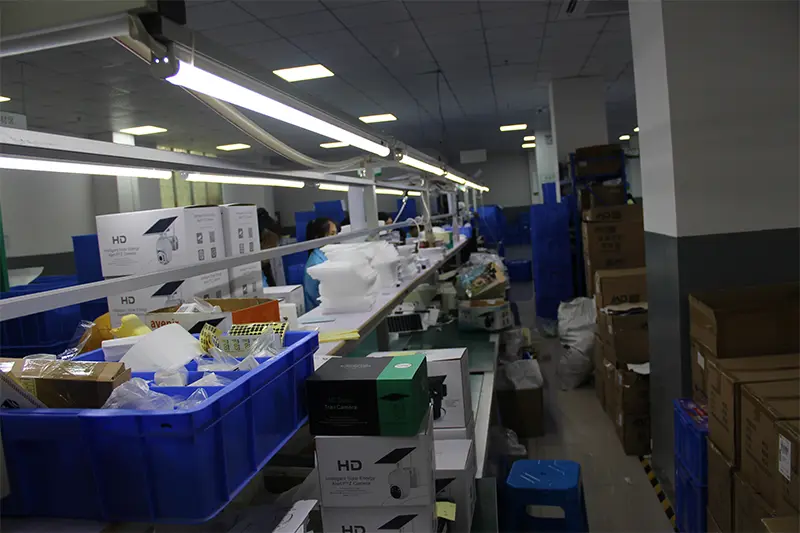
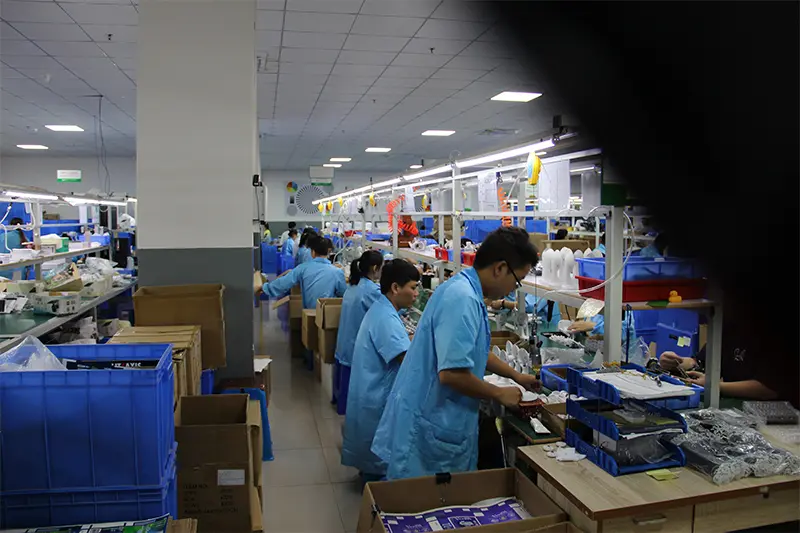
Shenzhen, China, is the global capital for video surveillance innovation, housing a complete supply chain ecosystem. At Shenzhen Xin Vision Technology, we leverage this concentration of specialized component manufacturers, lens producers, and SMT (Surface Mount Technology) providers to deliver high-quality products quickly. Our proximity to top chip makers enables us to rapidly integrate the latest video processors, security features, and imaging sensors into our designs.
This supply chain integration allows us to optimize manufacturing costs without compromising quality. From high-grade aluminum housings to multi-layered PCBs, every part of our cameras is sourced, assembled, and tested within a unified quality-assurance framework. This structural efficiency translates directly to competitive pricing and shorter lead times for our B2B procurement partners worldwide.
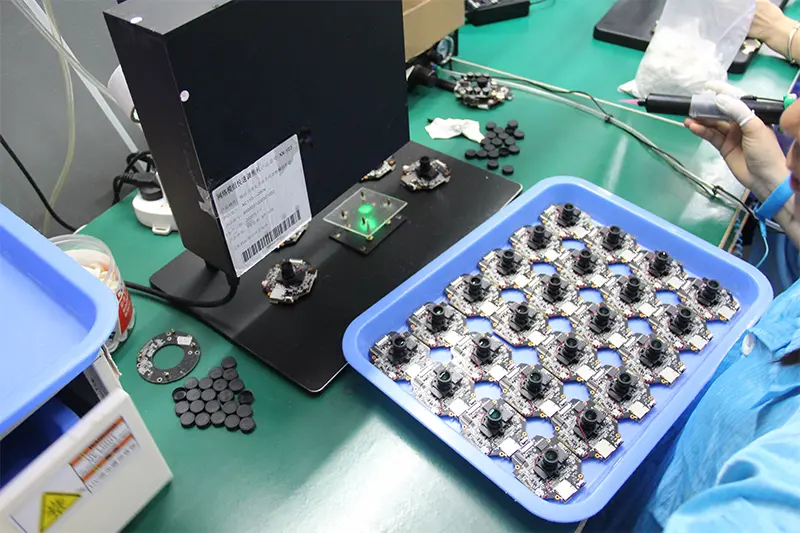
To meet international quality standards and CE compliance, we maintain a strict quality control workflow at every stage of assembly. Each camera undergoes multiple phases of validation: PCB testing, optical alignment, environmental chamber simulation, waterproof testing, and burn-in testing. We focus heavily on ensuring structural integrity against rain, dust, and temperature shifts, ensuring our cameras remain reliable over long deployments.
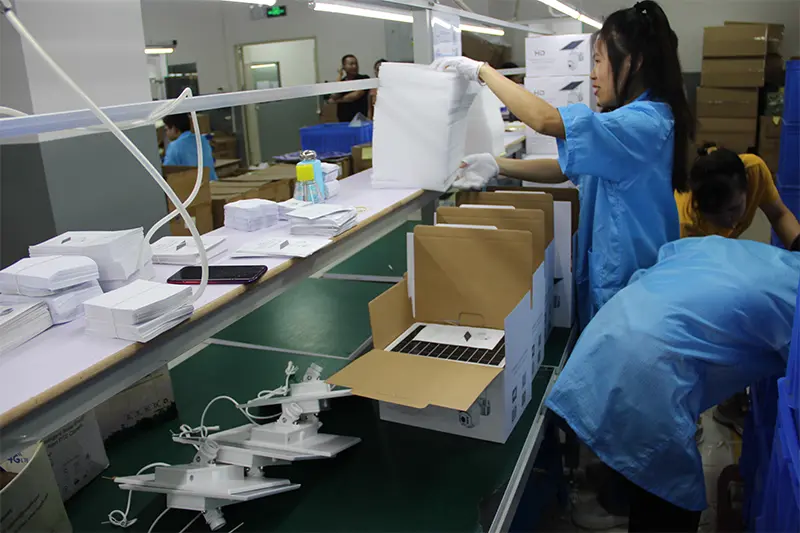
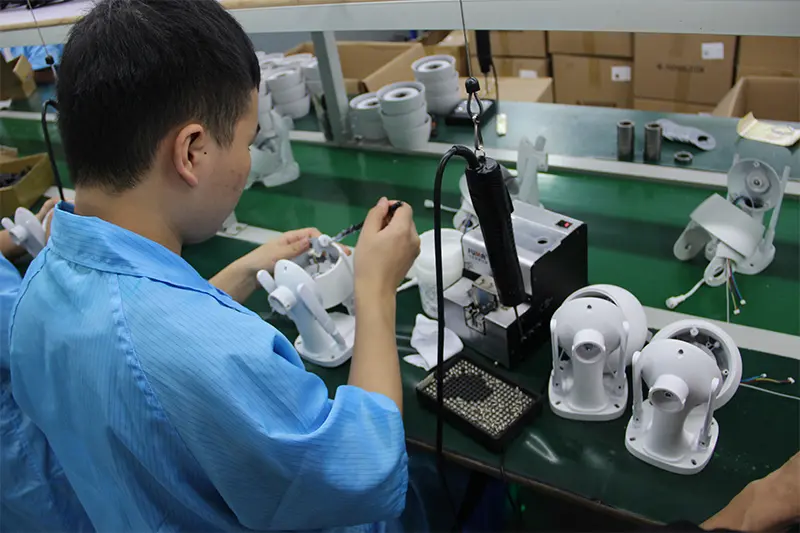
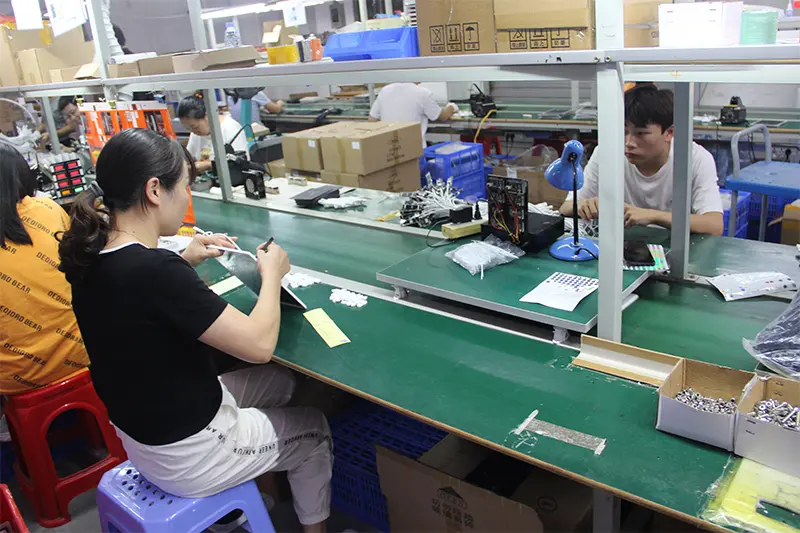
CCTV bullet cameras are deployed across diverse environments, each requiring specific configurations to ensure optimal performance:
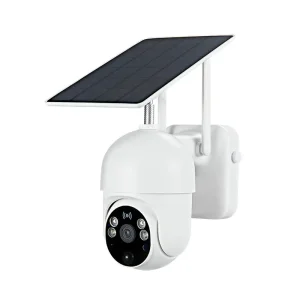
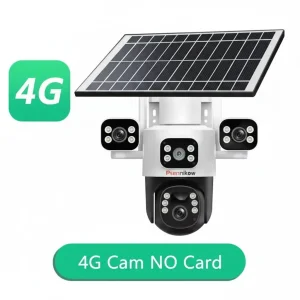
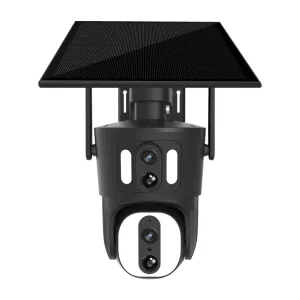
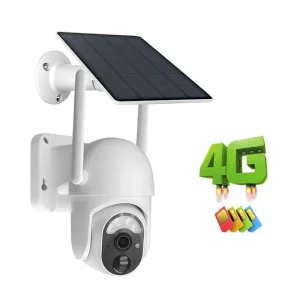
For agricultural fields, construction sites, and remote perimeters without access to grid power or local networks, solar-powered CCTV cameras offer a practical solution. Equipped with integrated solar panels, high-density batteries, and 4G LTE modems, these cameras maintain continuous operations even during extended periods of overcast weather. Their low-power sleep modes wake up the system instantly when onboard PIR sensors detect movement, conserving battery power.
Industrial settings often face challenging ambient light and potential physical hazards. Heavy-duty bullet cameras with high-grade aluminum housings withstand airborne dust, humidity, and accidental impacts. Advanced Wide Dynamic Range (WDR) sensors help balance contrast differences in bright loading bays, ensuring clear visibility in both bright and shadowed areas.
Public transportation hubs, access roadways, and pedestrian zones require detailed video verification to support law enforcement and traffic management systems. Our high-definition cameras capture crucial details, such as license plates and facial features, even in low-light environments, serving as a reliable data source for municipal monitoring networks.
When selecting a manufacturing partner, B2B procurement managers and system integrators evaluate several key criteria to ensure long-term value:
Shenzhen Xin Vision Technology supports global partners with comprehensive B2B services, from custom packaging and localized user guides to firmware integration and compliant documentation.
Answers to key technical and regulatory questions for professional security system integrators and purchasing departments.
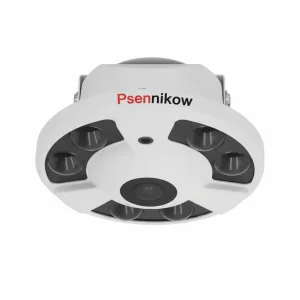
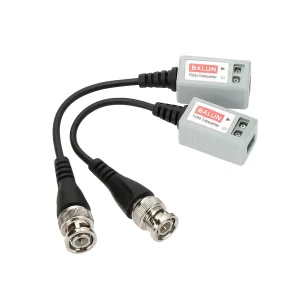
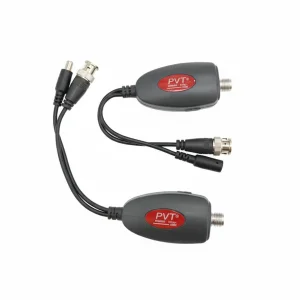
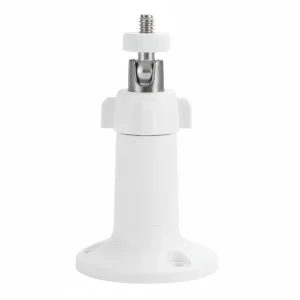
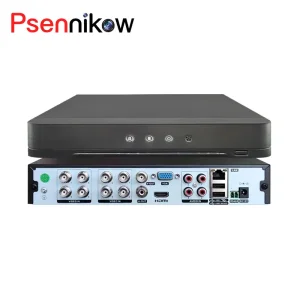
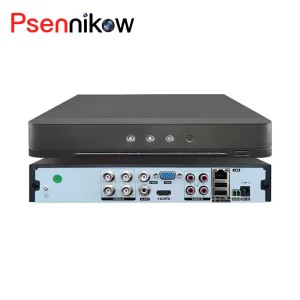
Explore our full line of security equipment, including solar nodes, high-definition IP domes, and robust connection accessories.
 Psennikow