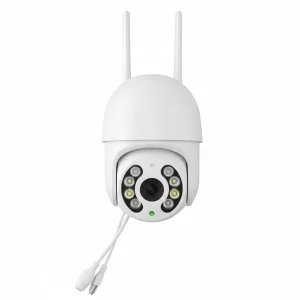
In the modern era of commercial property security, public intelligence networks, and complex industrial logistics, high-definition closed-circuit television (CCTV) system setups are no longer mere recording units. They represent the central nodes of analytical data collection, risk management, and situational awareness. Across dynamic markets in Europe, North America, and parts of the Asia-Pacific region, commercial businesses face increasingly strict regulatory frameworks concerning data safety, electromagnetic interference (EMI), and electrical system architecture.
For global distributors, enterprise procurement teams, and security installation firms, procuring components from a factory that adheres to international compliance frameworks—specifically European Conformity (CE) certification—is critical. Selecting a certified manufacturer reduces legal liabilities, protects data integrity, and ensures that electrical systems do not cause structural fires or cross-system frequency interference.
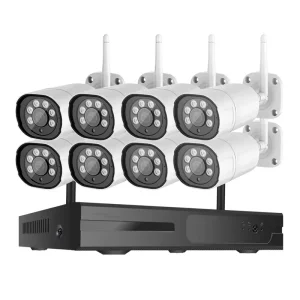
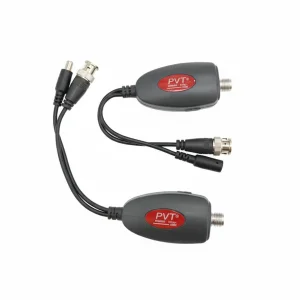
Note on Market Dynamics: The ongoing shift from legacy analog CCTV configurations to hybrid coax-based and high-resolution Power-over-Ethernet (POE) IP platforms requires hardware options that can scale over time. Shenzhen Xin Vision Technology Co., Ltd. addresses this transition directly by developing coaxial converters, multi-channel DVR/NVR hybrid controllers, and low-power off-grid solar cameras.
CE certification serves as a declaration by the manufacturer that the product meets the health, safety, and environmental protection requirements of the European Economic Area (EEA). For enterprise clients sourcing security infrastructure globally, CE compliance acts as a proxy for build quality and reliable engineering.
Industrial environments are full of high-voltage machinery and signals that can distort video feeds. CE-certified cables, transmitters, and video surveillance systems must isolate signals effectively, ensuring no electromagnetic output disrupts nearby networks, while maintaining signal integrity across long-distance cable runs.
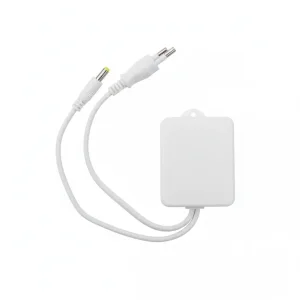
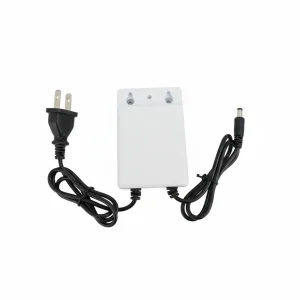
CCTV cameras operate continuously in outdoor and indoor settings. Structural fire hazards and electrical overloads are prevented by LVD testing, which verifies that all AC adapters, PoE power supplies, and coaxial lines function safely within standard voltage thresholds.
Optimizing high-performance CCTV architectures requires a mix of edge-processing cameras, data controllers, and reliable physical layer cabling. The following table highlights the hardware configurations designed by Shenzhen Xin Vision Technology Co., Ltd. for diverse installation scenarios:
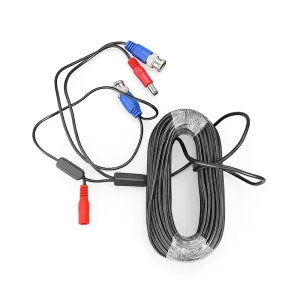
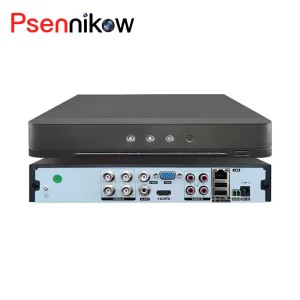
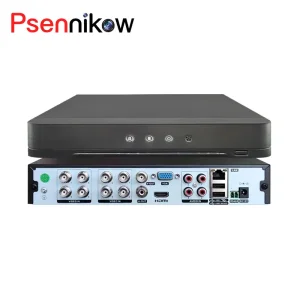
Uses hybrid 5-in-1 DVR/NVR recorders to merge older analog cabling with modern high-definition signals, supporting XMeye platforms and Audio-over-Coaxial transmission.
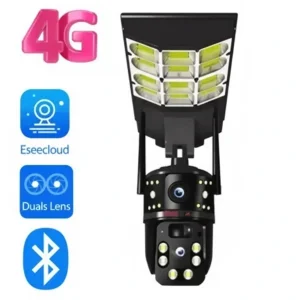
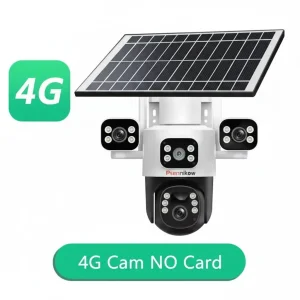
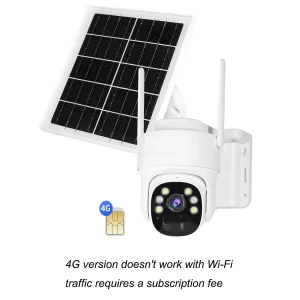
For remote areas lacking electricity, solar cameras use PIR-based low-power sleep modes, cellular/Wi-Fi connectivity, and local storage to run independently.
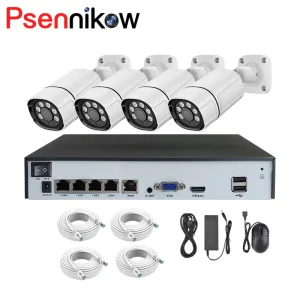
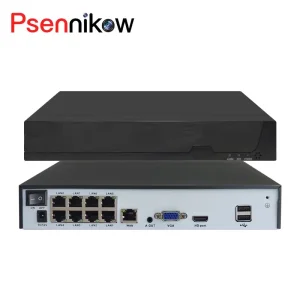
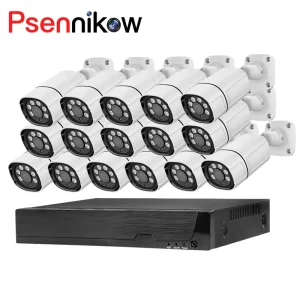
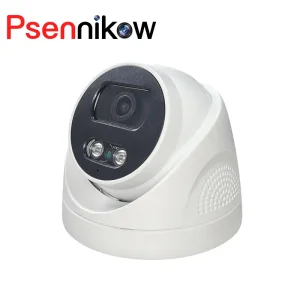
Streamlines installations by carrying both data and power over one Ethernet cable, delivering stable HD streams via CE-compliant dome and ball cameras.
Our CCTV setups are deployed globally across multiple specialized industries, addressing distinct site requirements:
The future of security is centered on intelligence and energy efficiency. The industry is moving beyond basic motion alarms to precise AI analytics running directly on the camera. By processing human shape recognition and license plate analysis at the edge, systems reduce bandwidth and storage demands on network hubs.
At the same time, green infrastructure is growing rapidly. Low-power chipsets combined with solar power systems allow security systems to run sustainably without relying on fossil fuel power grids.
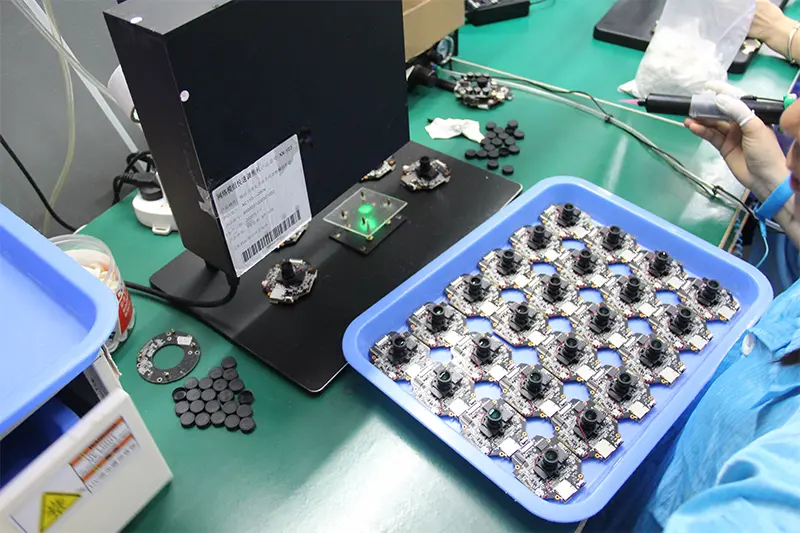
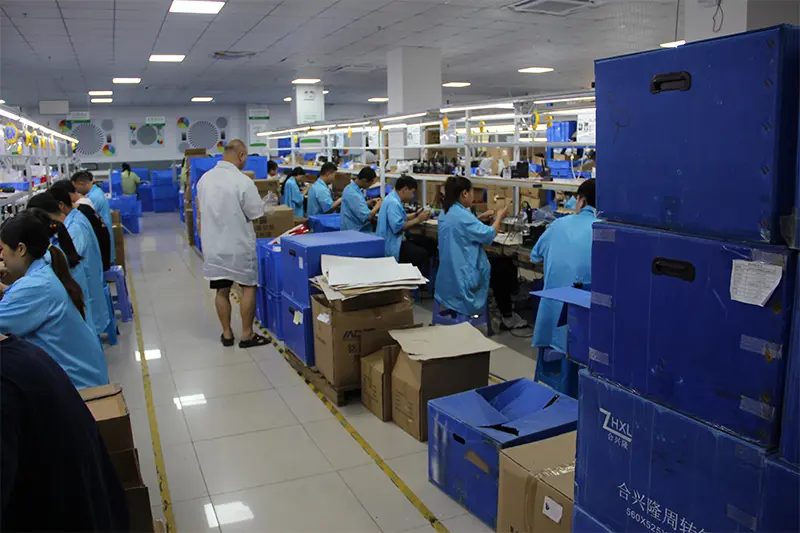
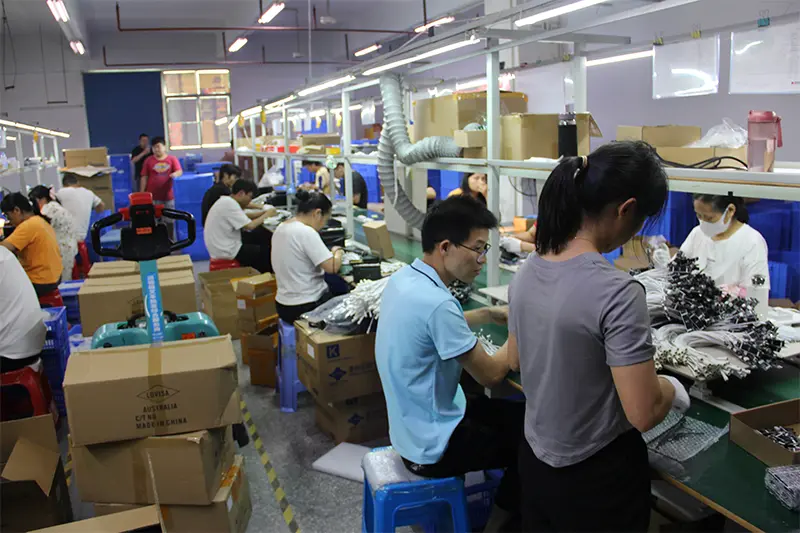
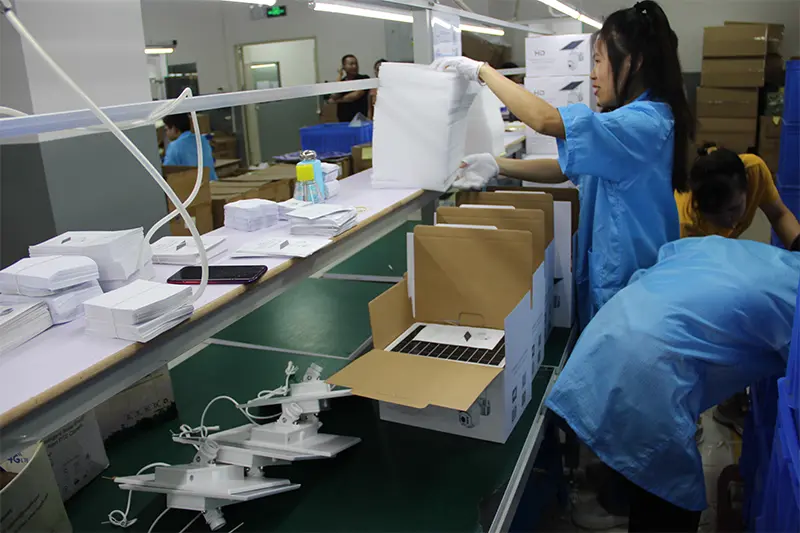
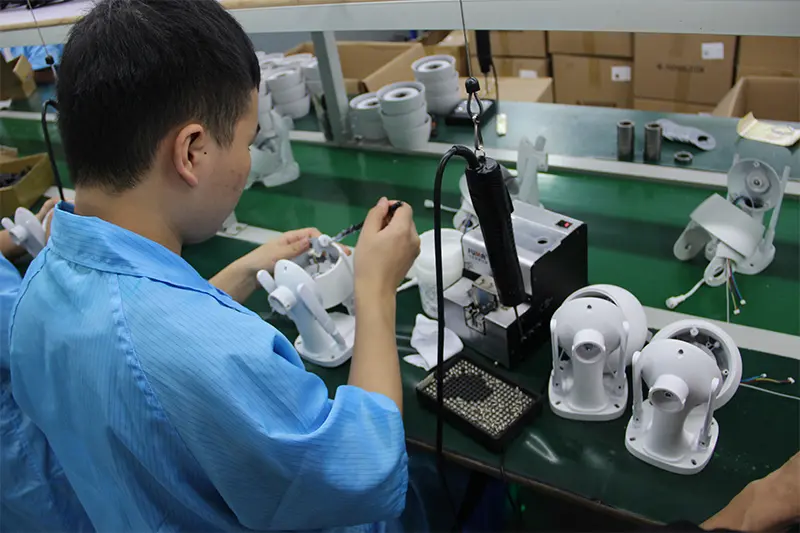
Founded in 2013, Shenzhen Xin Vision Technology Co., Ltd. brings 10 years of experience to the security industry. Guided by the values of professionalism, integrity, and win-win partnership, we operate as an industrial enterprise combining R&D, manufacturing, sales, and service. Our main product lines feature low-power solar cameras, network cameras, and integrated systems, designed to work reliably in both networked and offline environments.
Our products are widely deployed by government offices, transportation centers, private enterprises, residential communities, healthcare systems, schools, and public security agencies. Our engineering team prioritizes continuous innovation to deliver robust safety tools worldwide, developing systems like coaxial HD and digital network cameras that resist cyber-threats and resolve long-distance signal losses.

 Psennikow