In the high-stakes sector of commercial surveillance, the CCTV Dome Camera remains the uncontested gold standard for structural integrity, spatial discretion, and environmental adaptation. Unlike traditional bullet cameras, the hemispherical optical housing design provides a 3-axis mechanical configuration that prevents potential intruders from determining the precise viewing direction. This unique optical geometry serves as both a physical barrier and a powerful psychological deterrent.
From an engineering perspective, dome housings optimized for industrial use are rated to IK10 vandal-resistance standards. This ensures the dome's polycarbonate optical shell can withstand impacts of up to 20 joules of kinetic energy without structural failure or alignment shift. For global sourcing professionals, understanding these structural benefits is paramount to deploying systems that survive extreme public environments, high-traffic retail spaces, and heavy industrial yards.
Modern dome structures utilize die-cast aluminum alloys alongside high-grade polymers. Sourcing units directly from Chinese manufacturing plants ensures access to components designed with thermal dissipation profiles. These profiles prevent the sensor drift common to sub-standard optical assemblies, extending the lifetime of critical security assets.
Leveraging CMOS progressive-scan sensors (such as Sony Starvis series or similar high-sensitivity models), our dome cameras deliver clear visual outputs down to 0.001 Lux, ensuring reliable performance in low-light environments.
By implementing dynamic video encoding, H.265+ compression reduces network bandwidth consumption and storage footprints by up to 75% compared to legacy H.264 profiles without compromising video quality.
Integrating dual-microphone arrays with acoustic echo cancellation (AEC) and noise reduction algorithms allows for bidirectional, real-time voice communications and precise ambient sound analysis.
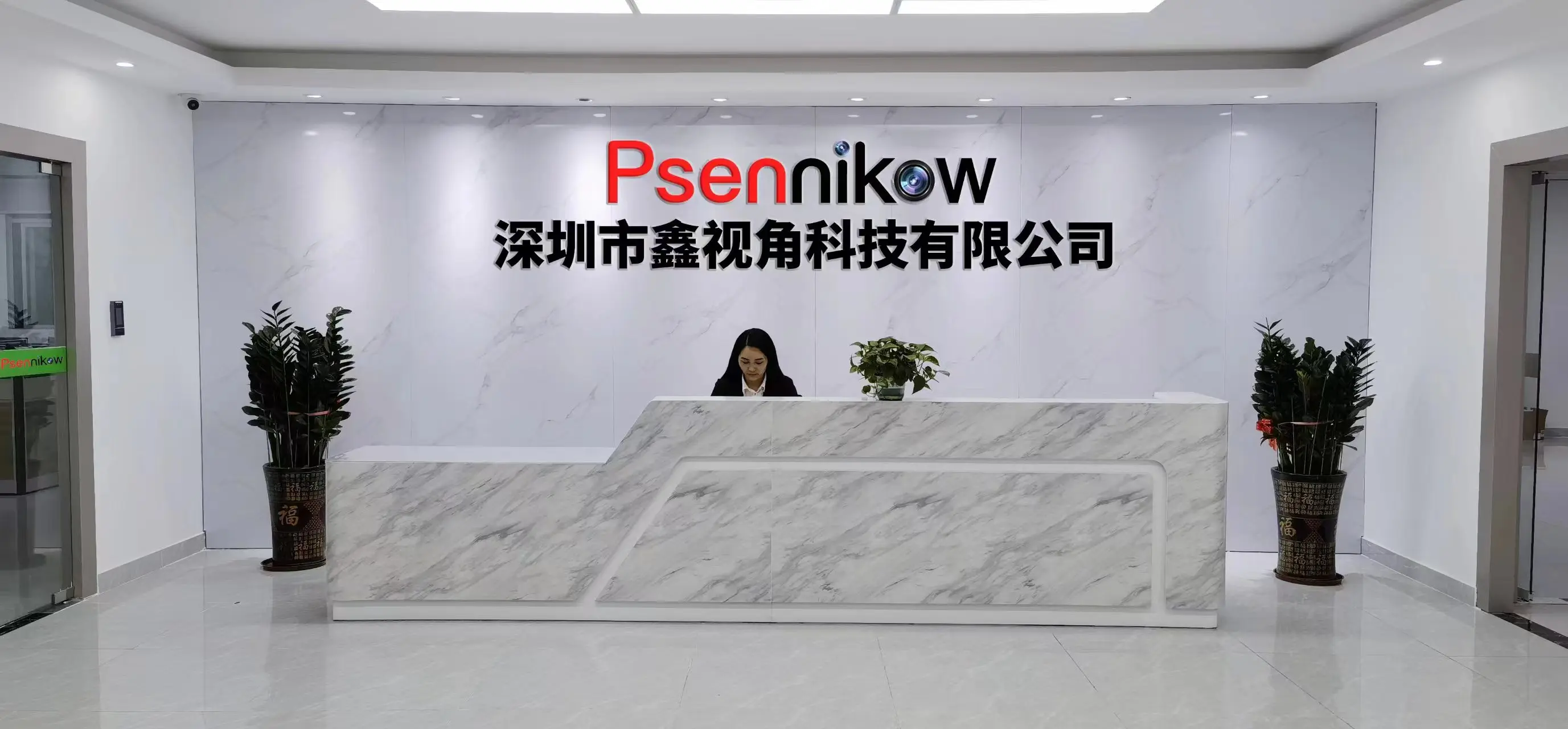
Shenzhen acts as the epicenter of the global electronic surveillance supply chain. At Shenzhen Xin Vision Technology Co., Ltd. (also known as Shenzhen Xin shi jiao Technology Co., Ltd.), we leverage this ecosystem to integrate upstream raw materials, SMT micro-processing, lens alignment, and firmware development into a highly responsive manufacturing loop.
The structural advantage of a Shenzhen-based factory lies in rapid prototyping, standard electronic component sourcing, and reliable quality control. Component logistics that might take weeks elsewhere are resolved in hours. This proximity enables us to optimize product costs while deploying advanced features like AI human tracking and solar integration to global clients with minimal delay.
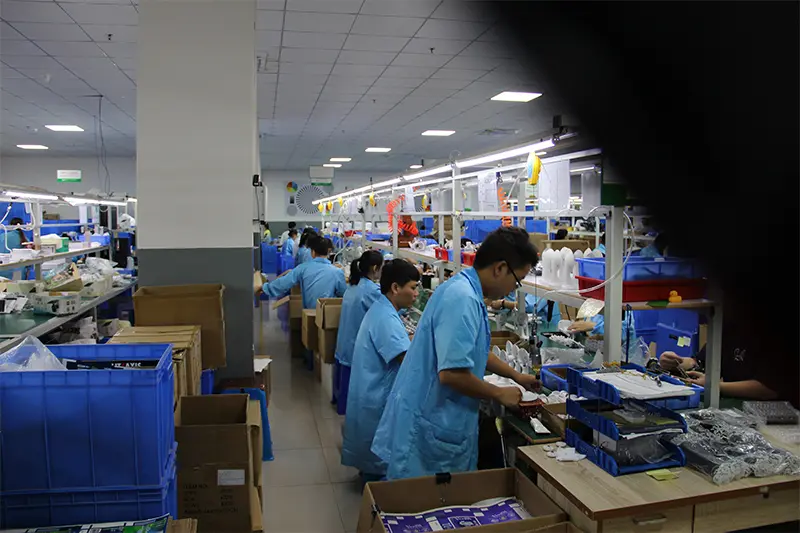
Our assembly floors strictly follow ISO 9001:2015 frameworks. Every camera system undergoes extensive quality assurance protocols, including high-temperature chambers, vibration simulation, and IPX7 immersion testing. This guarantees that every shipped unit meets international compliance standards.
Founded in 2013, Shenzhen Xin Vision Technology Co., Ltd. brings 10 to 15+ years of design, manufacturing, and distribution experience to the global security sector. Operating under our core business philosophy of "Professionalism, Integrity, and Win-Win Collaboration," we function as a comprehensive enterprise that unifies R&D, advanced manufacturing, and technical support.
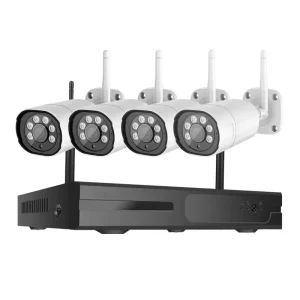
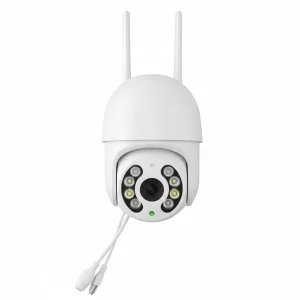
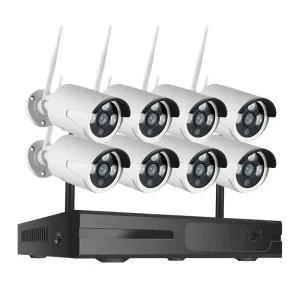
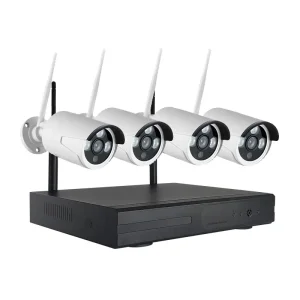
Our product portfolio ranges from low-power solar cameras and network IP domes to hybrid DVR/NVR systems and complete surveillance kits. These systems are deployed in municipal infrastructure, commercial logistics hubs, transport hubs, educational campuses, and residential sectors. Our engineering teams continue to innovate, keeping data protection and reliable hardware design at the core of all security systems.
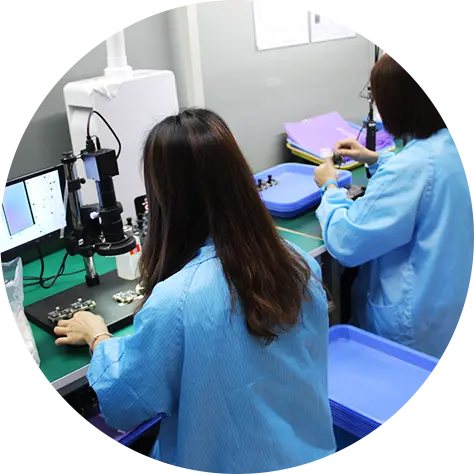
A transparent look inside our manufacturing processes. SMT placement, lens focus calibration, waterproofing testing chambers, and final packaging.
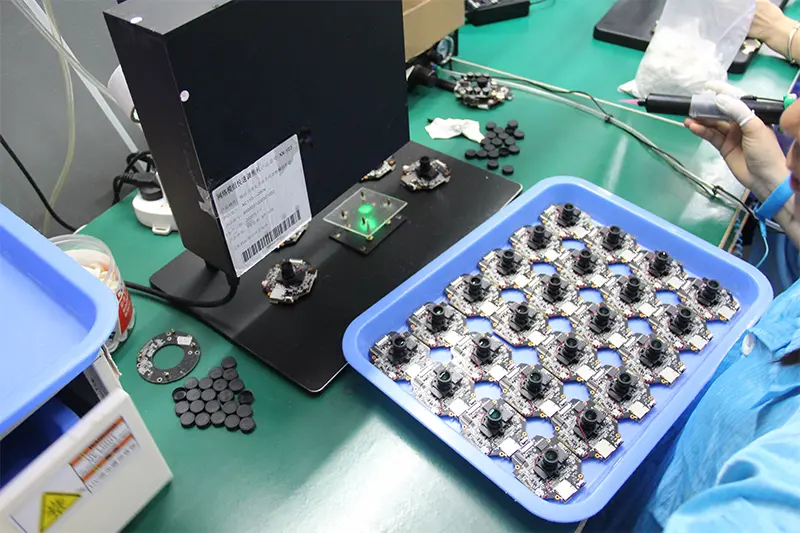
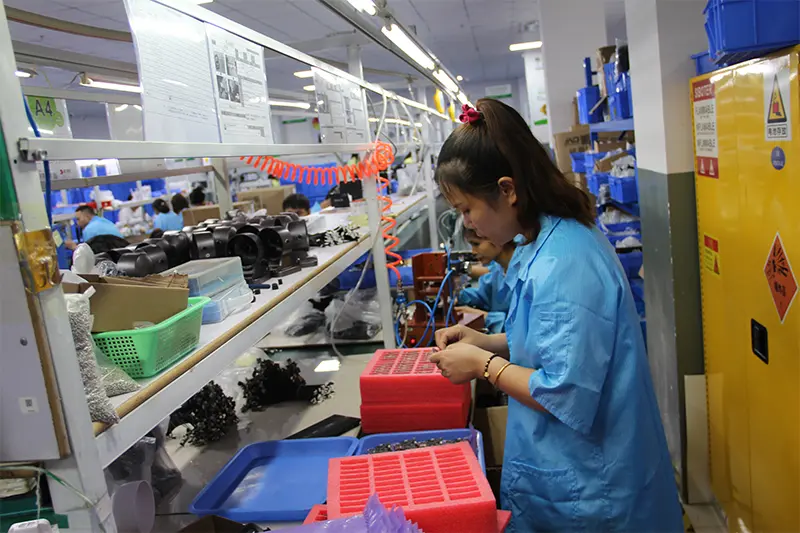
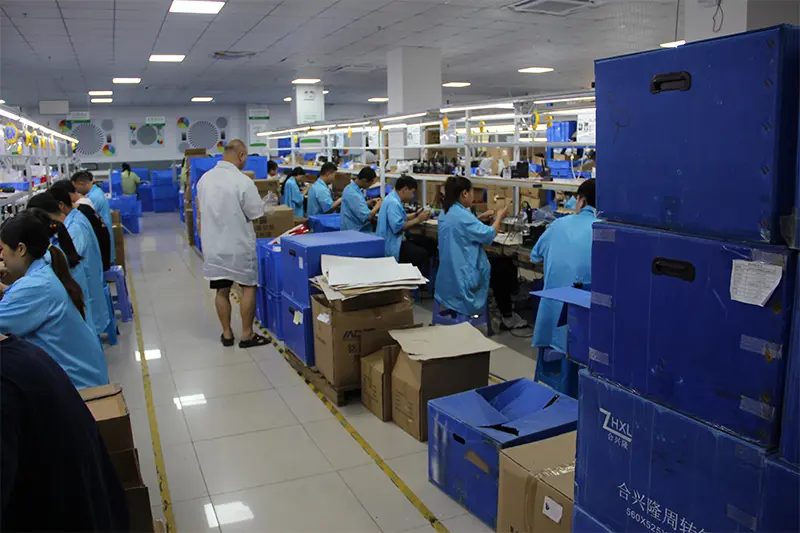
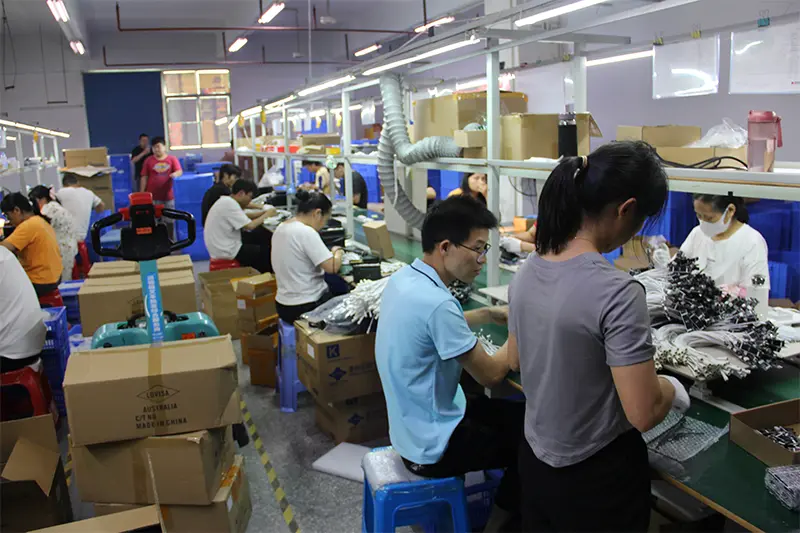
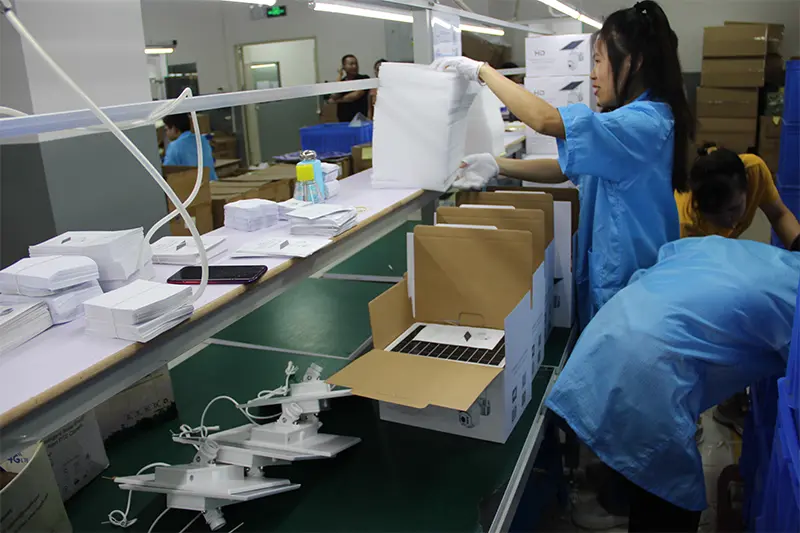
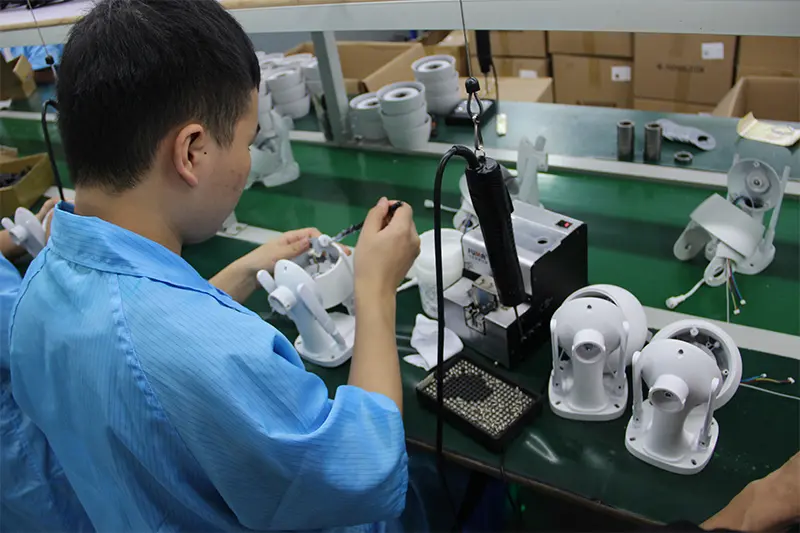
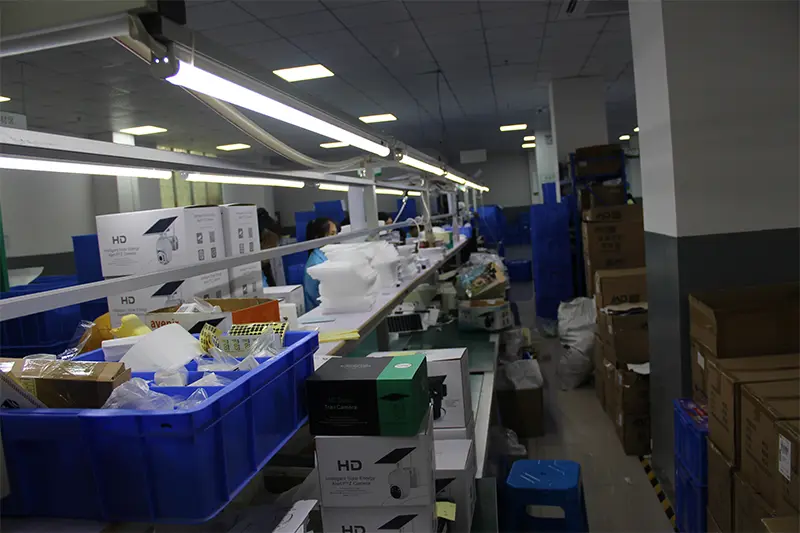
Modern surveillance architectures are moving processing from central servers to the network edge. Today's dome cameras process pixel-level movement locally using low-power Neural Processing Units (NPUs). This allows the camera to identify human profiles, vehicles, and potential hazards locally. By reducing false positives caused by animals, rain, or moving vegetation, B2B users save significant data transmission and storage resources.
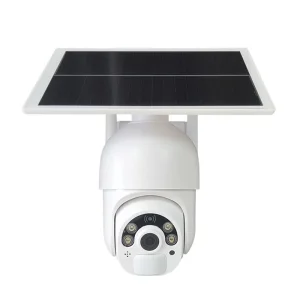
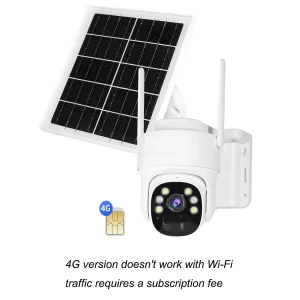
For indoor and structured physical layouts, PoE remains the industry standard, combining power and data transfer over a single Cat5e/Cat6 copper link. However, remote physical perimeters require off-grid solar-powered monitoring kits. Utilizing high-efficiency photovoltaic panels paired with lithium iron phosphate (LiFePO4) storage chemistry, these setups operate continuously with minimal maintenance in remote environments.
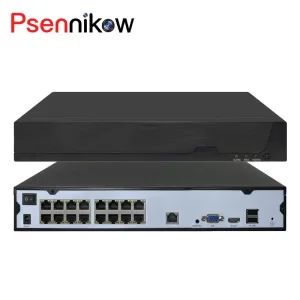
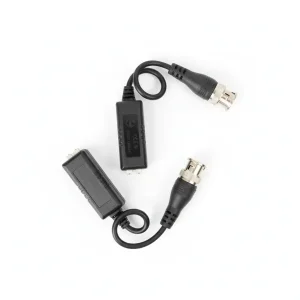
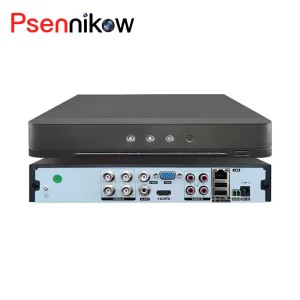
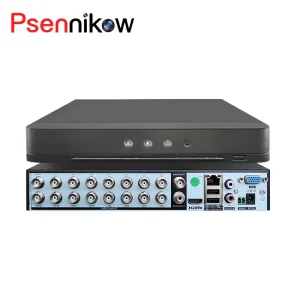
While IP video systems lead in flexibility, legacy coaxial infrastructures still represent a major part of global installations. Rather than replacing expensive cable infrastructure, systems can be upgraded with hybrid DVR/NVR recorders. This lets buyers deploy coaxial high-definition cameras (using HD-TVI, AHD, or HD-CVI transmission standards) alongside newer IP dome cameras, optimizing overall modernization costs.
Connected security devices require robust defense designs. Standard system features now include AES-256 stream encryption, HTTPS control handshakes, customized user access levels, and secure authentication methods. This structural focus helps prevent remote access exploits, keeping video archives secure in corporate and public installations alike.
Different environments present distinct physical challenges. We customize our hardware solutions to match these specific requirements.
Vandal-proof domes are ideal for subway platforms and public areas. These installations require wide-angle coverage, impact protection, and seamless integration with existing city control systems.
Compact dome shapes integrate discreetly into retail drop-ceilings. These units help monitor transaction areas, track customer pathways, and reduce inventory loss without altering the store aesthetic.
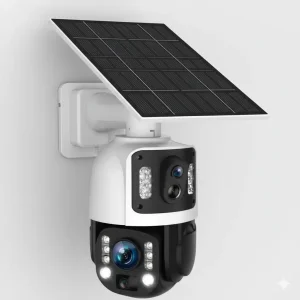
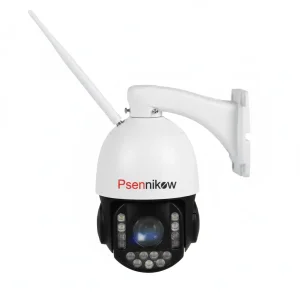
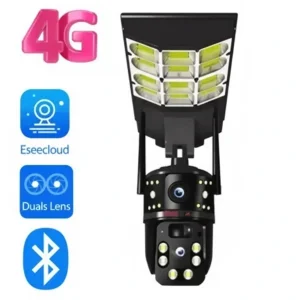
Remote utility stations benefit from rugged 4G solar dome systems. Equipped with motorized pan-tilt-zoom (PTZ) drives, these installations operate reliably without traditional power grids.
 Psennikow