The industrial and commercial security ecosystem is experiencing a profound paradigm shift. Modern operations are rapidly transitioning from traditional, reactive passive video recording to proactive, real-time edge processing powered by Artificial Intelligence (AI). Face recognition cameras stand at the absolute epicenter of this evolution. These advanced optical processing units do not merely record feeds; they extract deep metadata, register structural features, cross-reference cryptographic biometric databases within milliseconds, and implement localized logical actions to secure infrastructures.
By shifting computational loads from centralized cloud servers directly to localized chipsets (NPUs), next-generation hardware minimizes bandwidth requirements, decreases latency down to under 0.1 seconds, and functions seamlessly during network outages.
Designed for mission-critical deployments across hazardous, off-grid, and high-security settings. Features ruggedized aluminum housing, IP66-IP68 ingress ratings, and dynamic environmental resilience parameters.
Facilitated via strict alignment to industry standards like ONVIF, RTSP, and comprehensive SDK libraries. Allows seamless integration with existing access control lists, VMS platforms, and complex security infrastructure.
Modern enterprises operate within highly complex physical constraints, making simple pixel capture obsolete. Advanced facial recognition cameras rely heavily on deep neural networks (DNNs), specialized Image Signal Processors (ISPs), and local neural processing unit (NPU) modules. These elements work in tandem to conduct on-the-fly facial detection, vector parsing, and extraction of up to 128 micro-facial points.
A primary point of vulnerability in early face-recognition tech was identity spoofing via high-resolution photos or digital screens. Today, leading manufacturers combat this by integrating dual-lens configurations (RGB + Near-Infrared) that verify 3D structure and check for natural human micro-movements, pulse variations, and heat signatures. This guarantees that only live, physically present personnel trigger access grants.
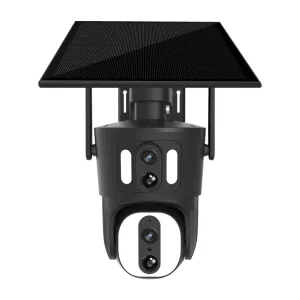
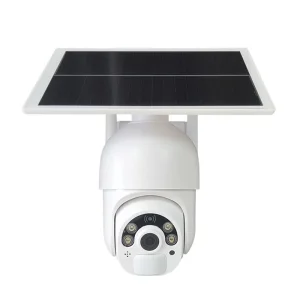
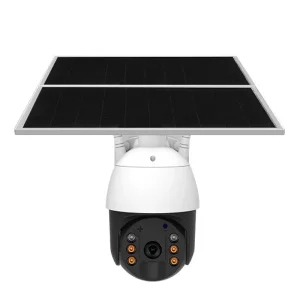
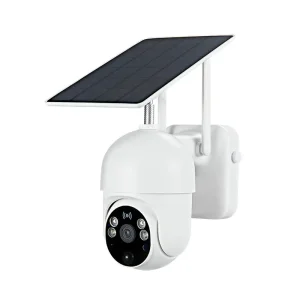
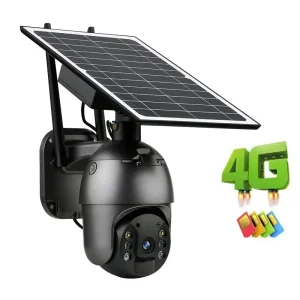
Simultaneously, integration with low-power solar charging infrastructures and 4G communication bands enables deployment in off-grid perimeters, industrial mining corridors, agriculture boundaries, and remote critical energy hubs.
For wholesale buyers, global sourcing is defined by a delicate balance of cost, velocity, and quality control. Shenzhen remains the premier destination for advanced camera engineering. Located at the heart of this global tech supply chain, Shenzhen Xin Vision Technology Co., Ltd. (operating under Shenzhen Xin shi jiao Technology Co., Ltd.) leverages a deep domestic ecosystem of component suppliers, automated SMT board houses, high-precision lens factories, and specialized chip developers.
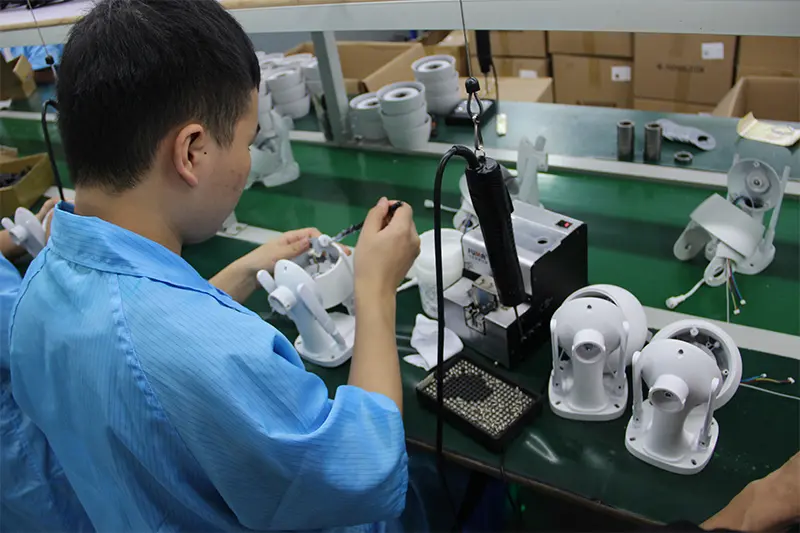
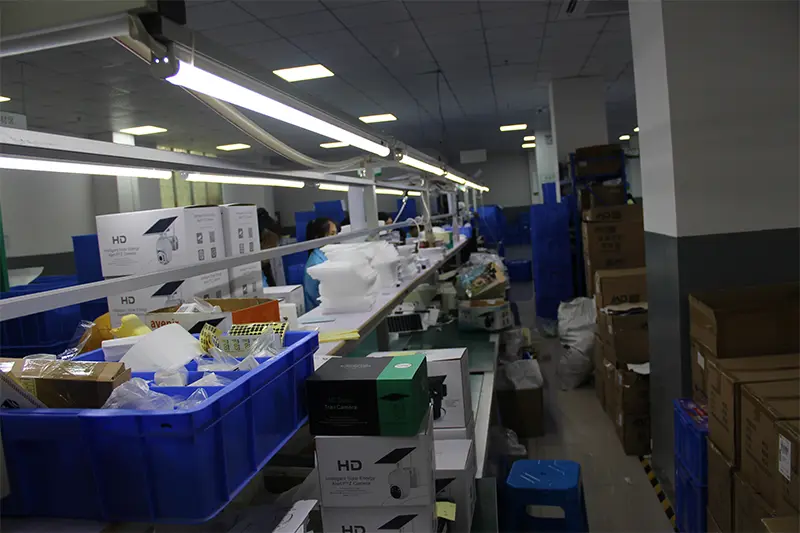
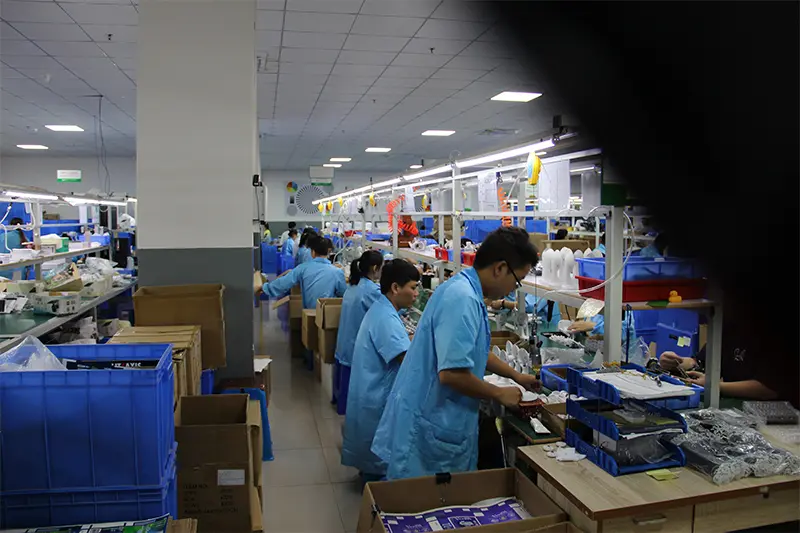
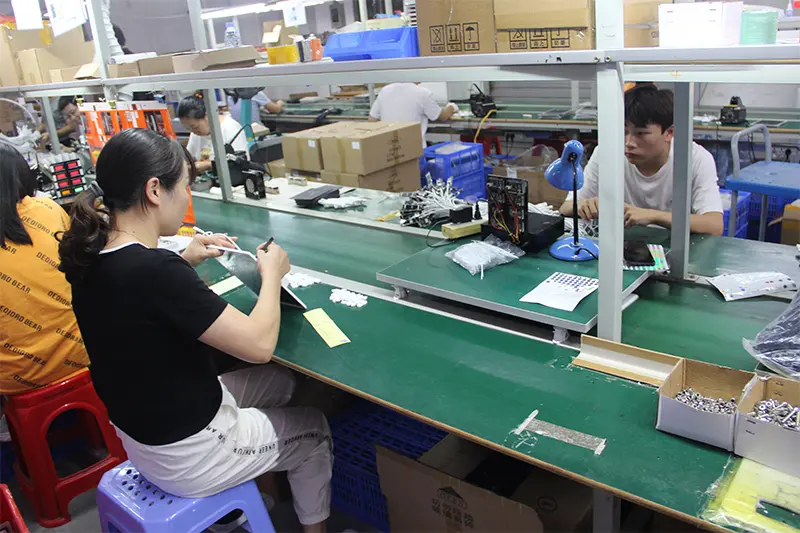
This geographic concentration translates directly into shortened prototyping timelines, dynamic hardware customization (such as adapting housing architectures or customized SDK structures), and massive unit cost savings. Our streamlined workflow handles everything from hardware design and plastic injection molding to firmware customization and final QA validation within a single consolidated region.
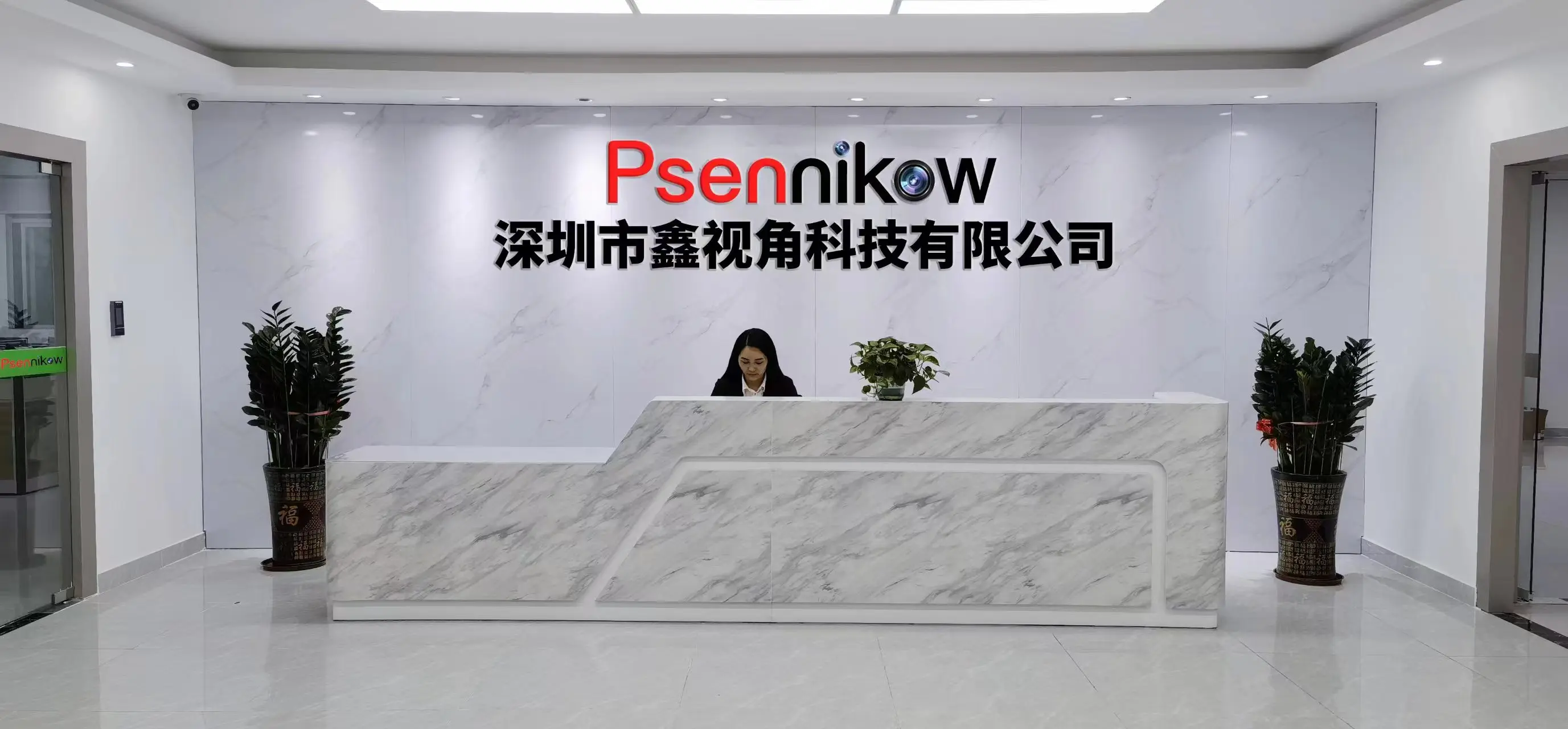

Established in 2013, Shenzhen Xin Vision Technology Co., Ltd. has spent over a decade cultivating deep expertise in the global security industry. Guided by our corporate core values of professionalism, integrity, and win-win collaboration, we have built a comprehensive industrial enterprise that handles research & development, mass manufacturing, global sales, and after-sales support in-house.
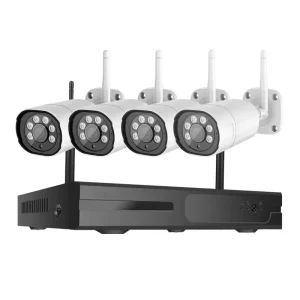
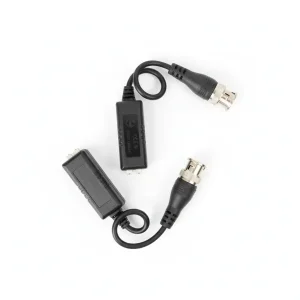
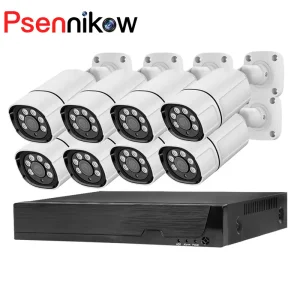
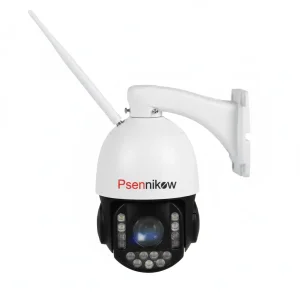
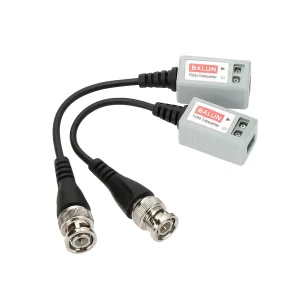
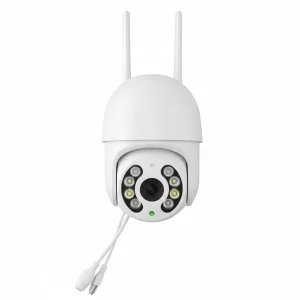
Our core product line is engineered to address diverse deployment challenges. We specialize in low-power solar cameras, high-definition IP network cameras, coaxial HD systems, and consolidated wireless security kits designed to operate reliably in both connected and completely off-grid environments.
Our engineering team continues to innovate, developing security hardware designed to protect lives and property globally. Our systems are deployed worldwide by government agencies, public transportation authorities, enterprises, residential communities, medical facilities, educational institutions, and public safety divisions.
"Our engineering team is continuously driving innovation. We believe that through relentless research, we can deliver the advanced tools required to protect lives and secure enterprises worldwide."
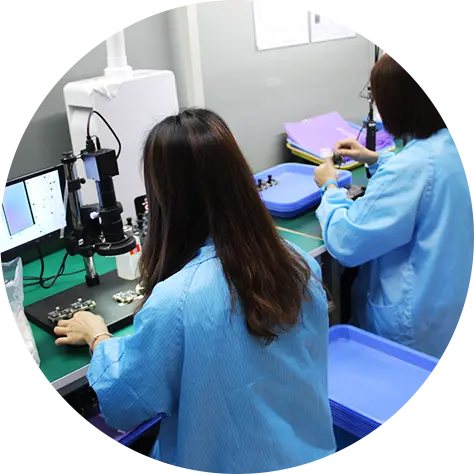
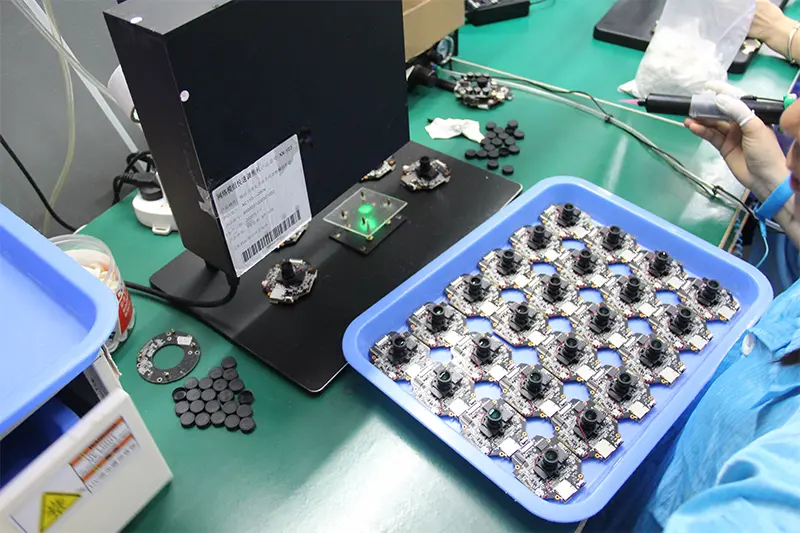
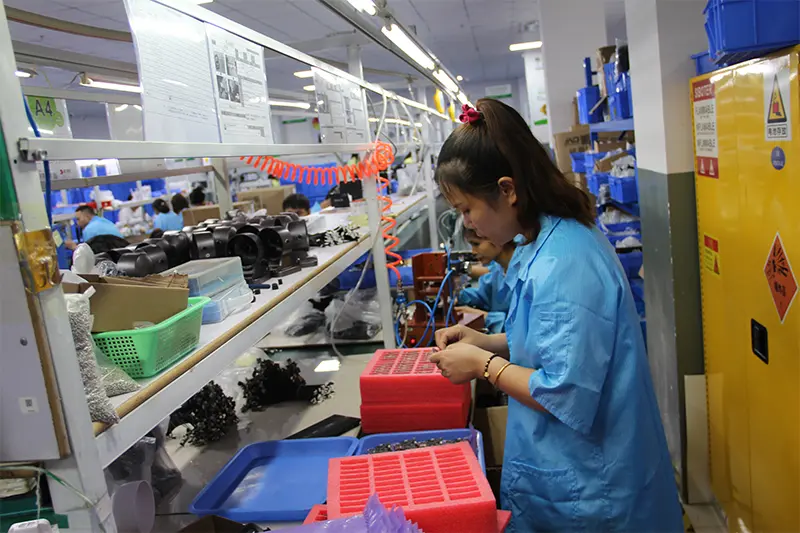
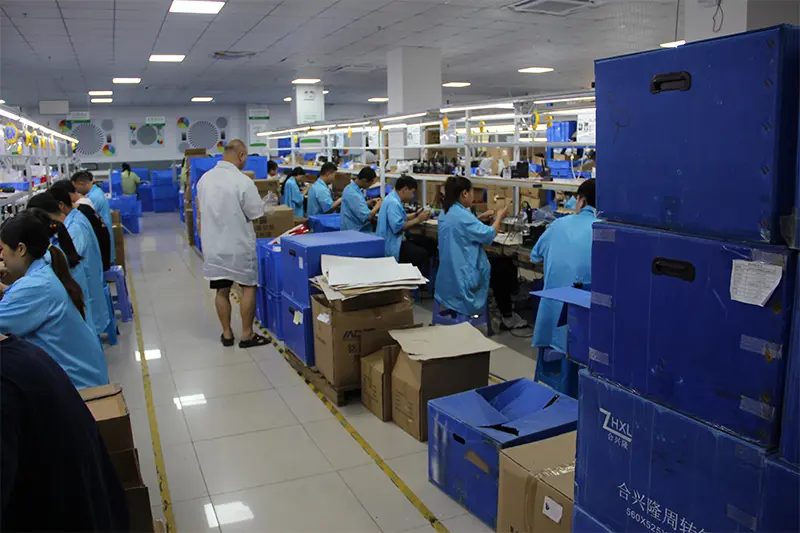
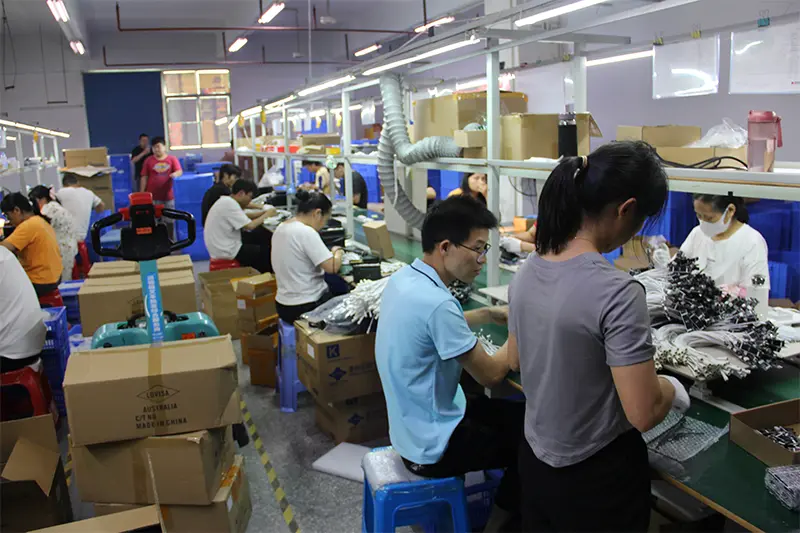
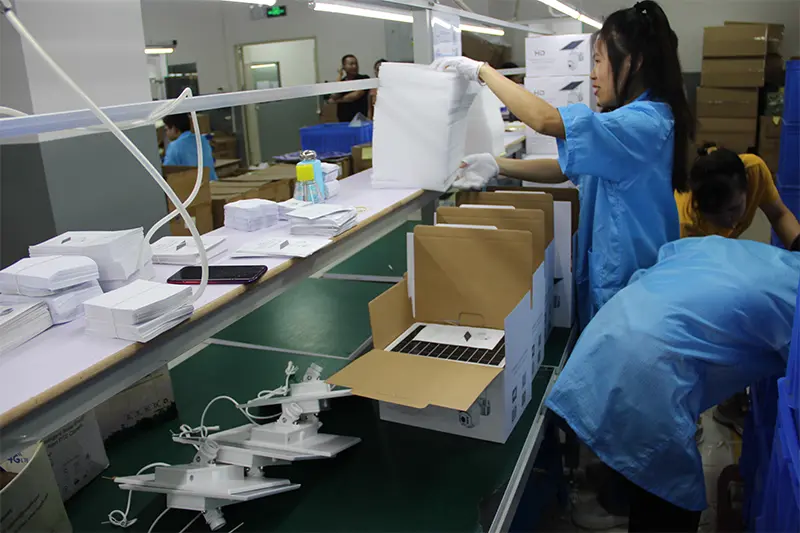
Quality assurance is the foundation of our manufacturing process. Every production run is subjected to rigorous quality control protocols, including multi-stage AOI testing, visual inspection, automated chip programming, temperature-controlled burn-in testing, and watertight ingress validation. This ensures each unit operates reliably under demanding environmental conditions.
Sourcing security hardware at scale requires evaluating key technical criteria to ensure long-term reliability and compatibility with client infrastructures. Below are the primary parameters wholesale distributors and system integrators prioritize:
Ensure the hardware provides accessible API endpoints and open SDK documentation. This allows security managers to load customized face databases, configure ONVIF profiles, or direct image capture metadata to third-party databases.
For outdoor deployments, seek products offering surge protection, IP66-IP68 ingress ratings, and operating temperature thresholds spanning -30°C to +65°C to handle challenging climates.
Transmission efficiency is critical for multi-camera deployments. Dynamic H.265+ compression reduces network payloads and video storage footprints by up to 70% while maintaining target facial resolution details.
The global security landscape is increasingly shaped by regulatory compliance and data protection standards. Organizations must ensure that deployed biometric technologies align with regional frameworks, including the EU’s General Data Protection Regulation (GDPR), the US Federal Information Processing Standards (FIPS), and local privacy mandates.
Modern face-recognition IP cameras prevent interception by encrypting data packets directly at the edge. By utilizing HTTPS/TLS encryption for control channels and SRTP for media streams, video feeds and captured facial hashes remain protected during transit to localized NVR units or secure cloud archives.
Additionally, developers are focusing on dynamic redaction technologies. Cameras can automatically mask background faces of bystanders in real time, capturing and analyzing only authorized targets to maintain compliance with municipal privacy regulations.
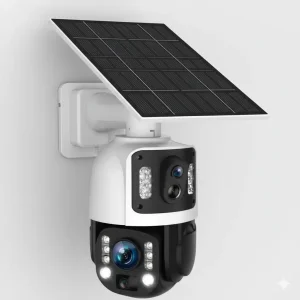
To reduce infrastructure costs and simplify deployment, modern installations favor dual-delivery configurations. Power over Ethernet (PoE/PoE+) simplifies setup by combining power and network connection in a single cable. For remote perimeters lacking power grids or wired connectivity, integrated solar panel arrays paired with 4G/5G cellular modules provide an independent, self-sustaining security solution.
Review detailed answers to technical and operational questions frequently asked by B2B buyers and security system architects.
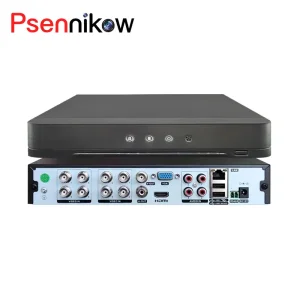
 Psennikow