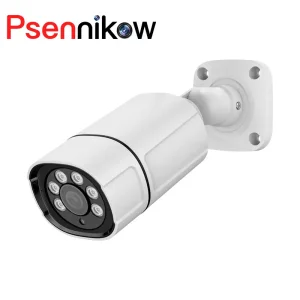
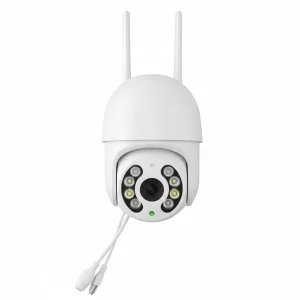
Modern outdoor security architecture is transitioning from passive local recordings to intelligence-led, edge-native analytical hubs designed to operate autonomously under severe climatic stress.
The convergence of low-latency wireless transmission (5G/4G), sustainable green-power systems, and AI-accelerated chipsets has redefined the criteria for outside IP camera installations. Today’s industrial, commercial, and governmental installations demand robust platforms capable of executing local computer vision algorithms without overwhelming backhaul networks. From smart-city traffic intelligence to perimeter defense in critical infrastructure, outdoor IP cameras must guarantee uninterruptible service, extreme physical resilience, and rigorous regulatory compliance.
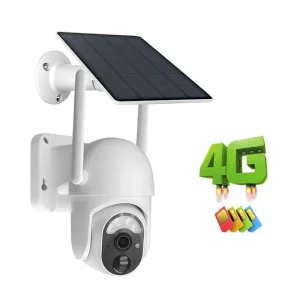
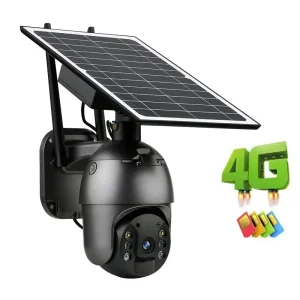
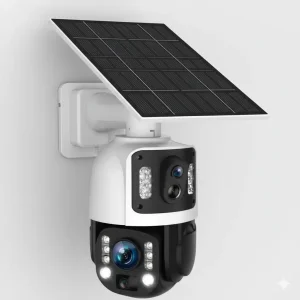
Integration of high-yield monocrystalline solar panels with smart LiFePO4 batteries ensures 24/7/365 operability even in regions with prolonged low-solar radiation.
On-chip neural processing units (NPUs) allow real-time human, vehicle, and object classification directly on the edge, reducing false alarm triggers by over 95%.
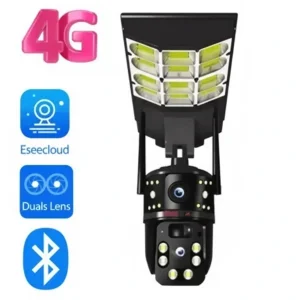
Hybrid cellular (4G/LTE/5G) and Wi-Fi failover systems guarantee persistent streaming and telemetry uploads in rural, dynamic, or un-wired environments.
In the European Economic Area (EEA), CE (Conformité Européenne) marking is not merely a label—it is a binding declaration that the safety, health, and environmental protection standards of the device comply with all relevant EU directives.
Directive 2014/30/EU: Ensures outside IP cameras do not emit electromagnetic waves that interfere with wireless communications, neighboring telemetry, or critical industrial instruments, while maintaining immunity against external EM disruptions.
Directive 2014/35/EU: Applies to cameras and power adapters operating on common AC/DC levels. CE audits mandate strict electrical isolation, fire protection, and thermal thresholds to prevent localized hardware fires and shock hazards.
Directive 2014/53/EU: Essential for wireless, 4G, and Wi-Fi integrated security cameras. It guarantees efficient radio spectrum utilization, prevents cross-channel bleeding, and enforces standardized data encryption protocols.
B2B enterprise buyers, municipal integrators, and government procurement officers require security hardware that adapts dynamically to environmental, logistical, and legal constraints.
When engineering global surveillance installations, decision-makers focus heavily on mitigating operational vulnerabilities. Key factors include:
Modern outside IP cameras are designed to tackle specific geographic challenges:
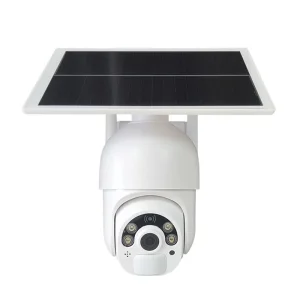
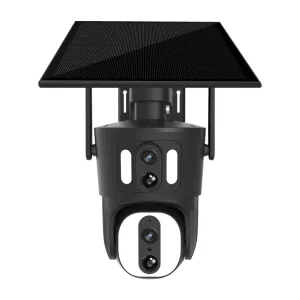
Off-Grid Infrastructure: Ideal for monitoring construction zones, agricultural assets, oil & gas corridors, and remote utility sub-stations. Uses solar modules paired with dual-lens linkage systems to continuously detect threats without external grid connections.
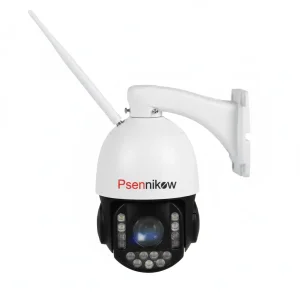
Urban Safety & Logistics: High-speed dome cameras featuring optical zooms (20X+) and laser illumination systems provide high-definition tracking in cargo terminals and municipal centers.
Founded in 2013, Shenzhen Xin Vision Technology Co., Ltd. (Shenzhen Xin shi jiao Technology Co., Ltd.) has carved out a leading position within the highly competitive international security landscape. Beginning as a boutique research and engineering group focused on resolving the visual bottlenecks of early high-definition coaxial systems, our company has evolved into a full-scale smart enterprise.
Our early engineers worked around the clock, overcoming severe signal attenuation hurdles to produce coaxial high-definition cameras that preserved video fidelity over long cable runs while resisting electromagnetic interference. Recognizing the shift to IP networking, we pioneered the transition to digital network devices, solving bandwidth congestion and transmission distance limitations.
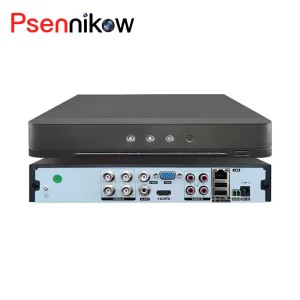
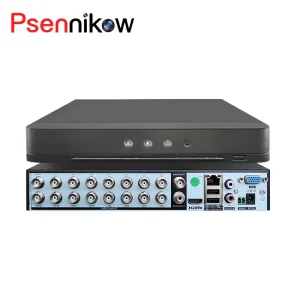
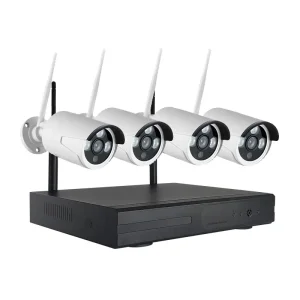
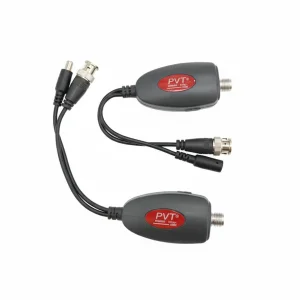
Today, we manufacture low-power solar cameras, 4G speed domes, hybrid NVR systems, and specialized security accessories. Our systems are deployed across diverse sectors, including smart-city transportation, critical government logistics, and environmental protection projects worldwide.

"We believe that through continuous, aggressive research and development, we can deliver smarter, more reliable security systems to safeguard lives and property in every corner of the globe."
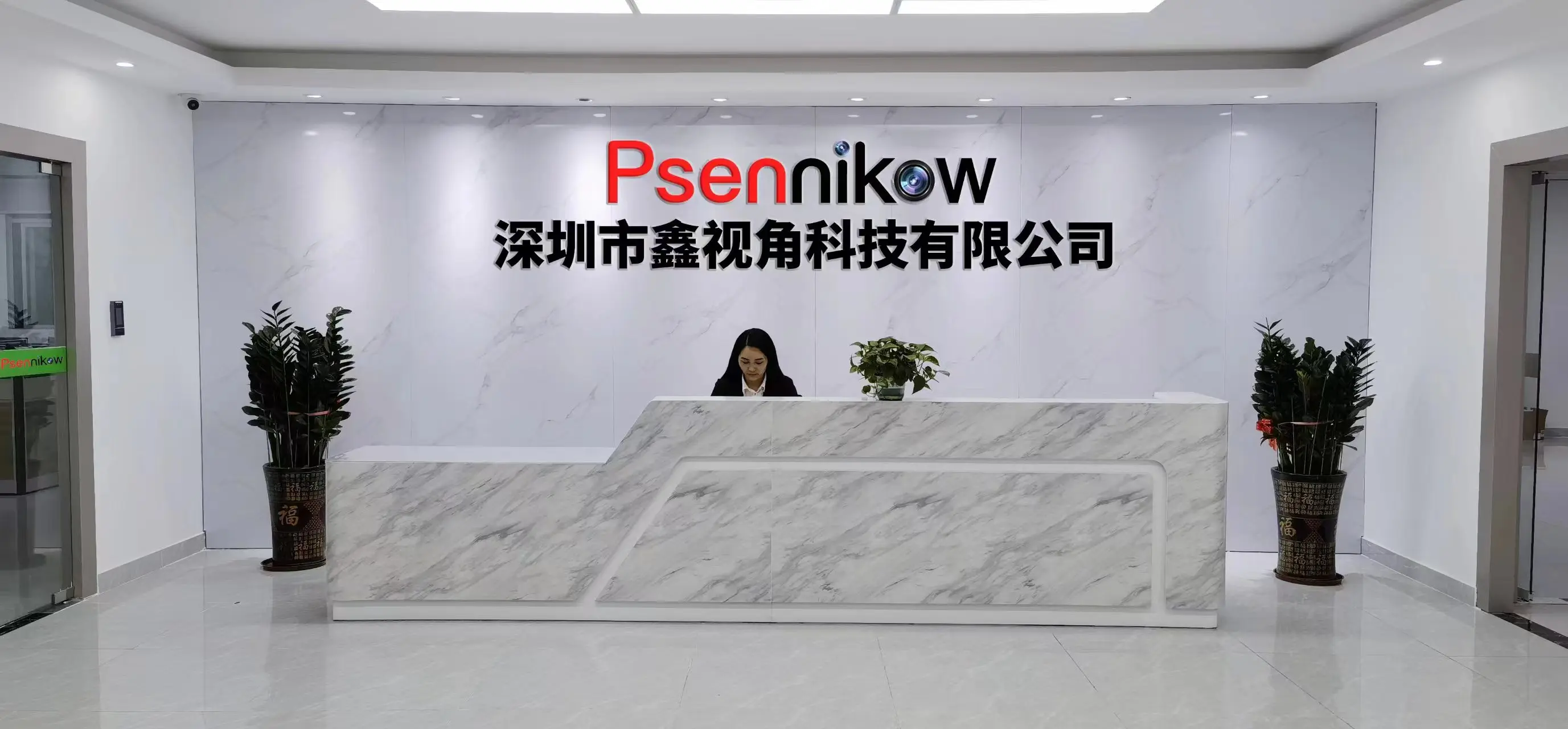
Operating from Shenzhen, the global epicenter of electro-optical engineering, we leverage a highly localized and responsive component ecosystem.
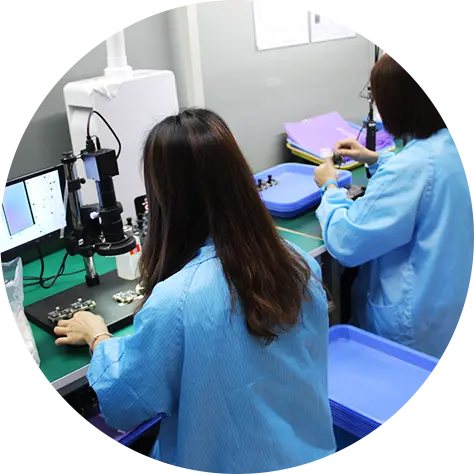
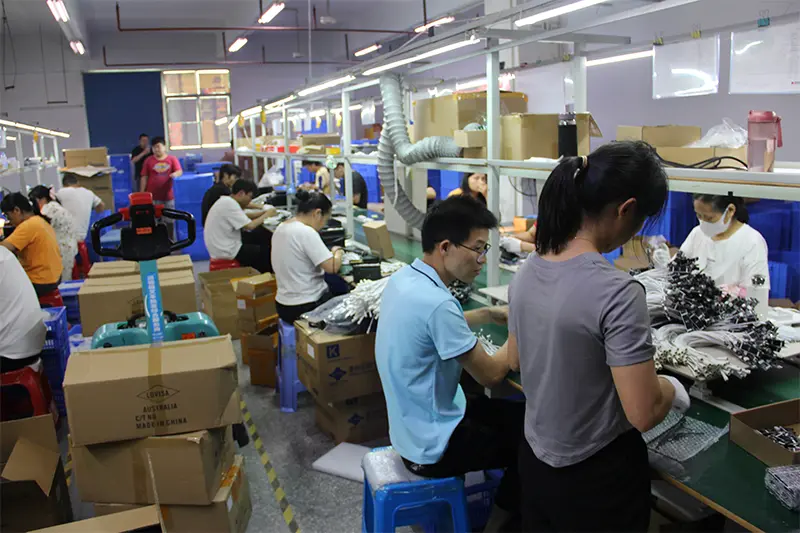
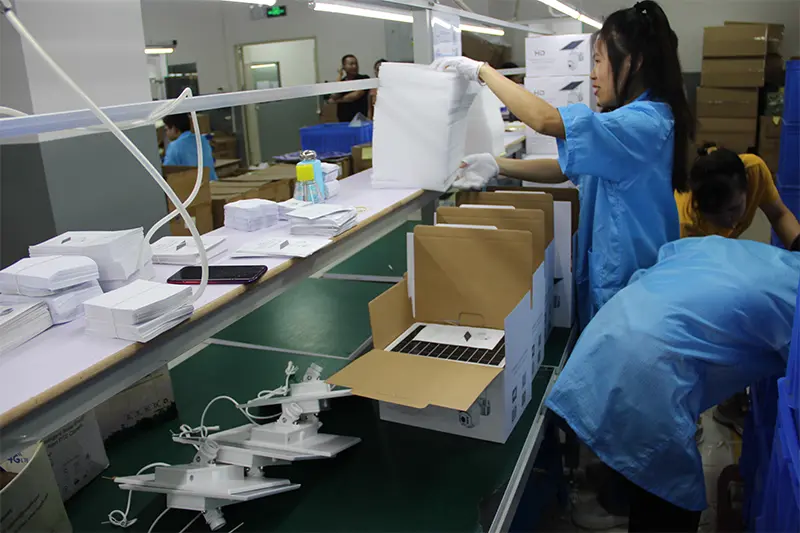
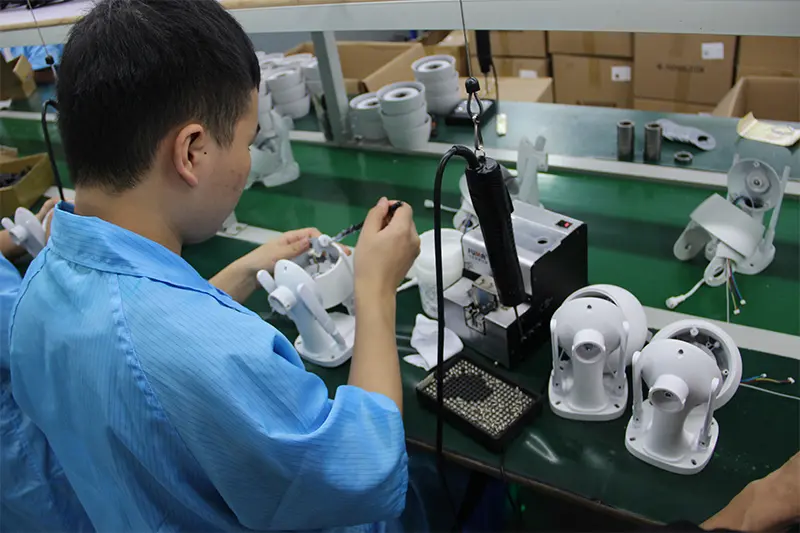
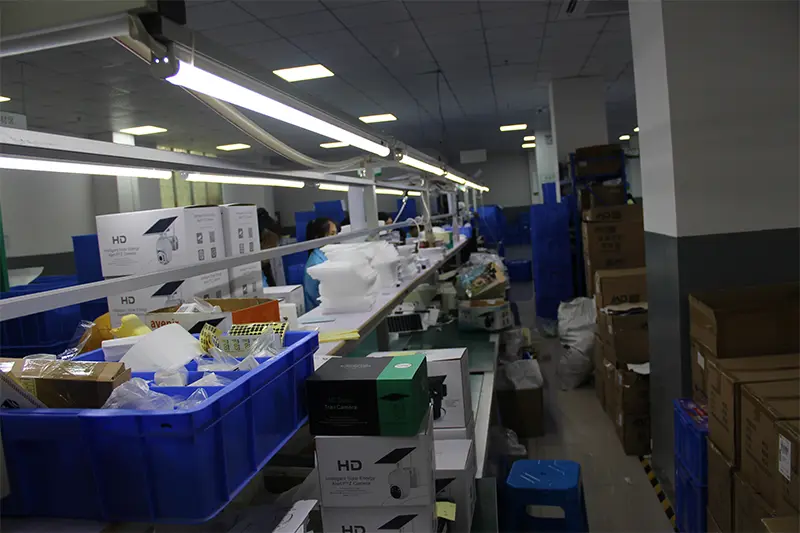
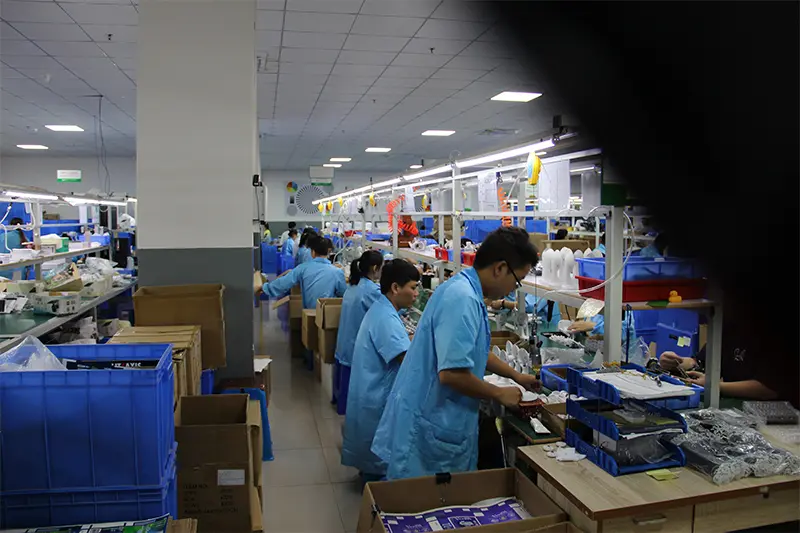
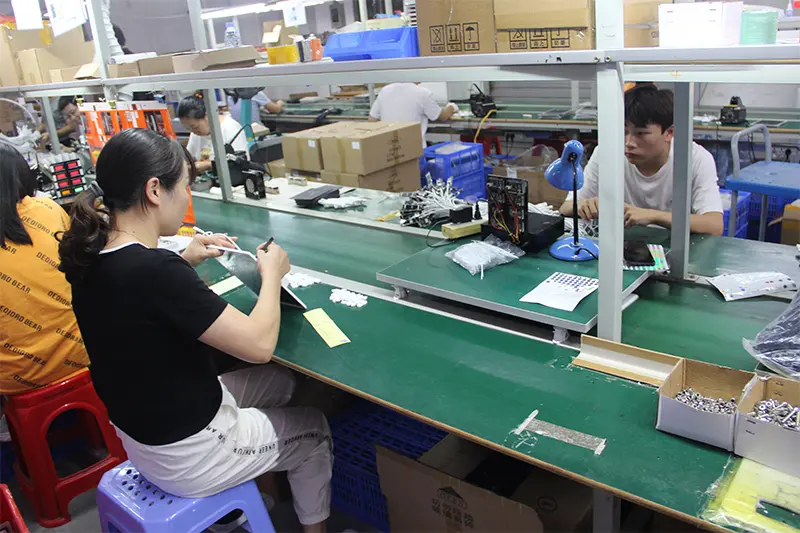
Our production facilities utilize modern automation technologies to ensure high precision and consistency. From high-speed SMT placement lines to computerized optical calibration equipment, every stage of our manufacturing process is designed to eliminate human error. This concentrated supply chain enables us to source raw materials, conduct product trials, and scale mass production in a fraction of the time required by traditional factories. Under strict ISO 9001:2015 frameworks, we guarantee predictable lead times and consistent product quality for our international partners.
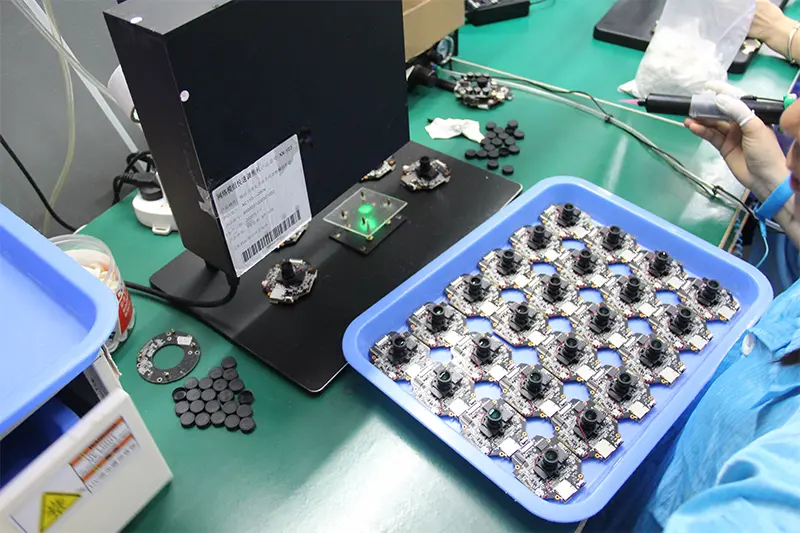
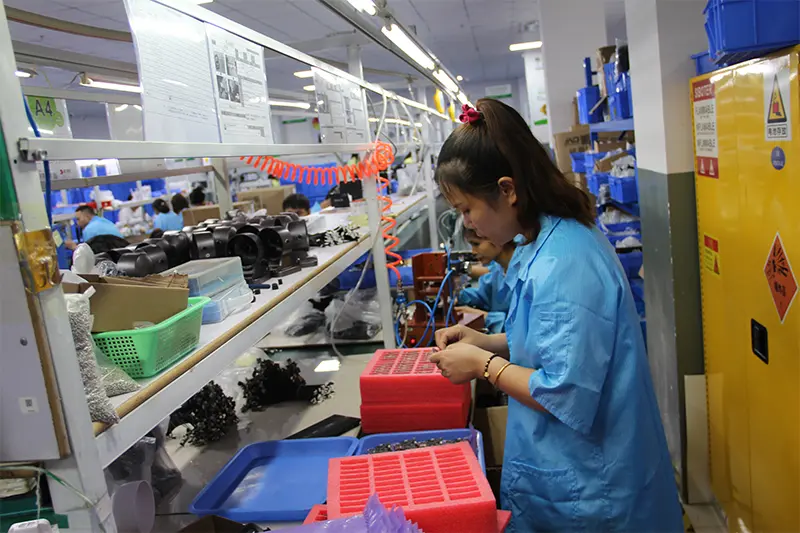
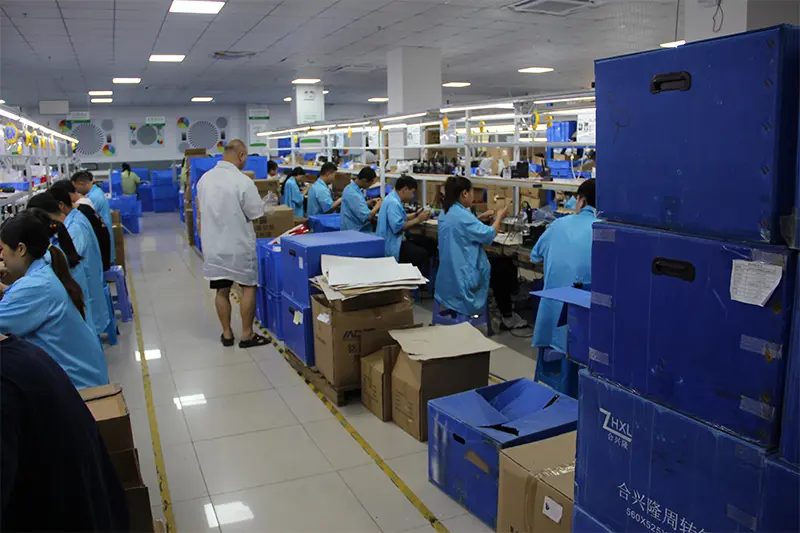
Get detailed insights on regulatory compliance, custom engineering, and deployment configurations.
CE compliance requires verification against multiple directives. For electronic security hardware, this includes testing for Electromagnetic Compatibility (EN 55032 for emissions and EN 50130-4 for immunity), electrical safety reviews under EN 62368-1, and restriction of hazardous substances under the RoHS directive. For wireless models, testing must also comply with the Radio Equipment Directive (RED) to verify transmission efficiency.
Our solar IP cameras feature integrated smart power management systems. By using highly sensitive PIR sensor arrays and radar detection, the camera remains in a low-power sleep state, waking to capture and transmit video only when movement is detected. Paired with high-density lithium iron phosphate (LiFePO4) storage cells, this allows the device to operate for up to 15-20 days without active sunlight.
Yes. All our IP cameras and NVR units comply with ONVIF protocol profiles. This ensures seamless integration with major industry VMS systems, including Milestone, Genetec, and HikCentral, as well as smart recorders using standard RTSP communication streams.
We offer comprehensive hardware and software customization. This includes custom branding, specialized housing paint matching local environments, specific focal length lenses, tailored firmware setups, local APN settings for 4G networks, and deep mobile application integration.
Data security is built into our firmware development process. Our cameras support HTTPS encryption, custom security certificates, standard firewall configurations, and 802.1X network access controls. We also implement structured password complexity policies and disable unused telemetry ports to reduce potential attack surfaces.
 Psennikow