Engineered to international specifications. Ready for deployment in enterprise ecosystems.
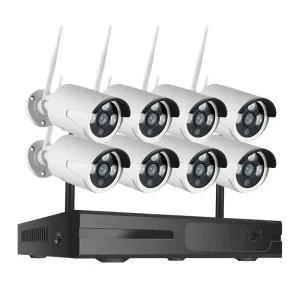
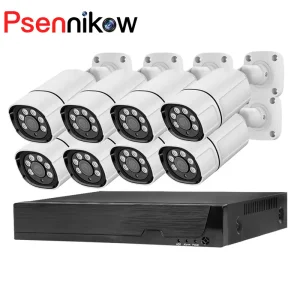
In the modern landscape of global surveillance and smart city engineering, the role of Pan-Tilt-Zoom (PTZ) IP Cameras has transitioned from a localized visual tool to an intelligent, automated edge computing node. Industrial and commercial enterprises worldwide are facing heightened pressures to secure vast territorial perimeters, automate quality control, and decrease response times. A static camera is no longer sufficient for complex, high-risk assets. Modern infrastructure projects require responsive PTZ systems equipped with optical zoom, precision actuators, and onboard artificial intelligence that can operate under extreme environmental constraints.
This paradigm shift has accelerated the demand for CE-certified PTZ IP Cameras. The CE (Conformité Européenne) mark represents more than a legislative requirement; it is a globally recognized indicator of electrostatic discharge protection, signal immunity, thermal stability, and low radiation footprints. For security distributors, government integrators, and industrial site builders, sourcing from a vetted supplier with direct manufacturing credentials is key to avoiding regulatory blockages and ensuring reliable operation in harsh conditions.
Globally, the integration of PTZ IP cameras with smart cities and IoT infrastructure has created a new standard for automated perimeter defense. Whether monitoring high-voltage substations, petrochemical refineries, or transport hubs, modern PTZ systems execute predefined patrol routines, automatically lock onto unauthorized human or vehicular targets, and transmit high-definition video over secure channels (such as SRTP or ONVIF profiles).
As a key supplier, Shenzhen Xin Vision Technology Co., Ltd. incorporates high-efficiency H.265+ compression, smart illumination arrays, and low-latency motor control into our PTZ platforms. This reduces bandwidth consumption by up to 70% while maintaining the clear 8MP video detail required for automated license plate recognition (ALPR) and facial analysis.

When global enterprises look to source high-reliability security cameras, Shenzhen, China remains the epicenter of hardware innovation and supply chain integration. The speed at which a product transitions from raw PCB assembly to a completed, calibrated PTZ device is unmatched. This structural speed allows for custom component integration, hardware modifications, and rapid firmware adjustments that cannot be replicated elsewhere.
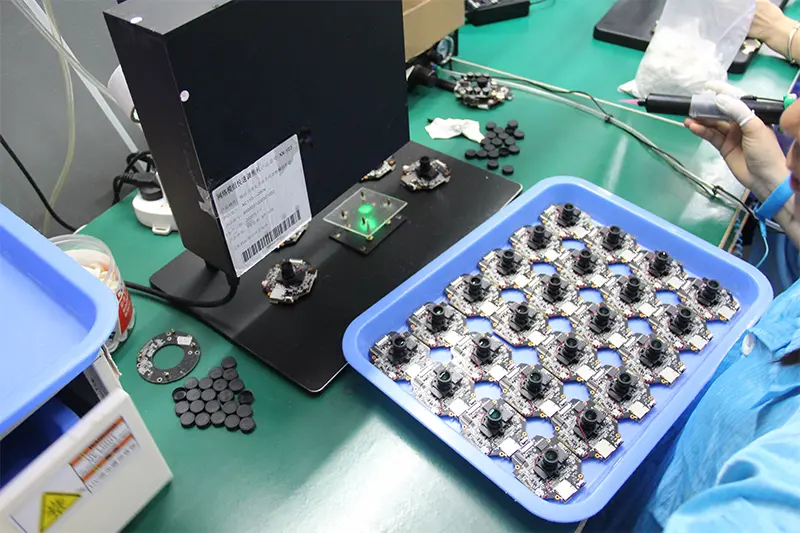
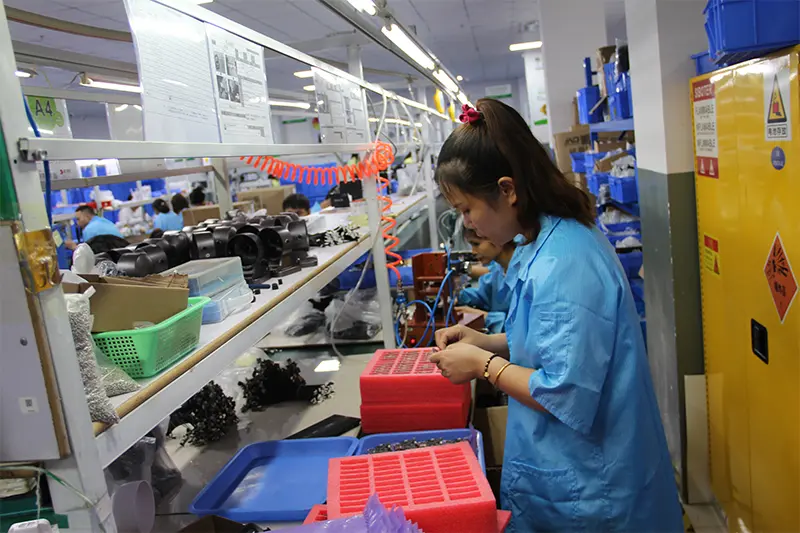
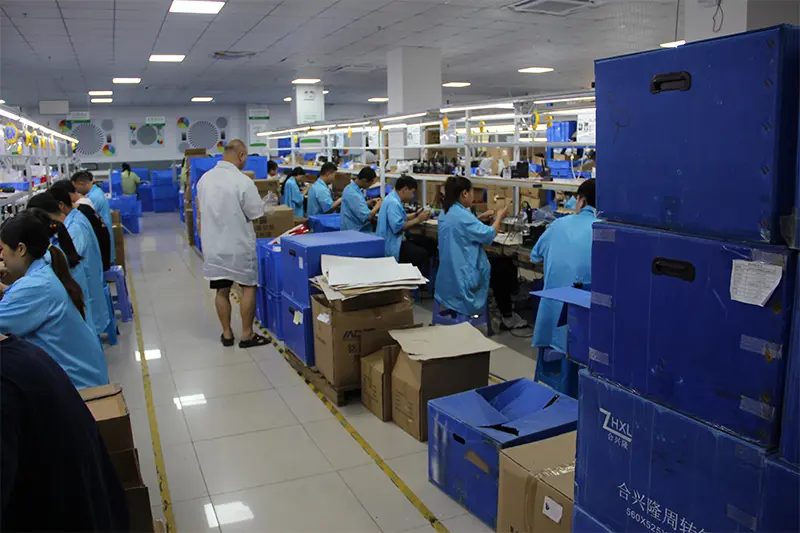
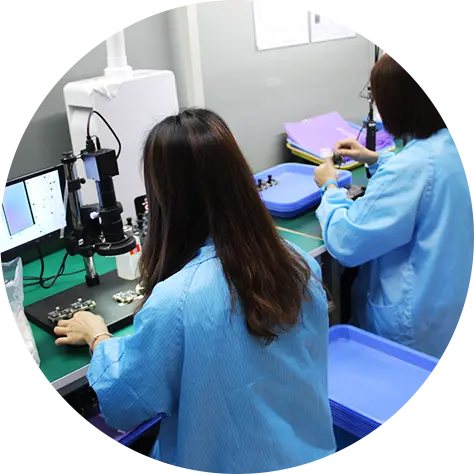
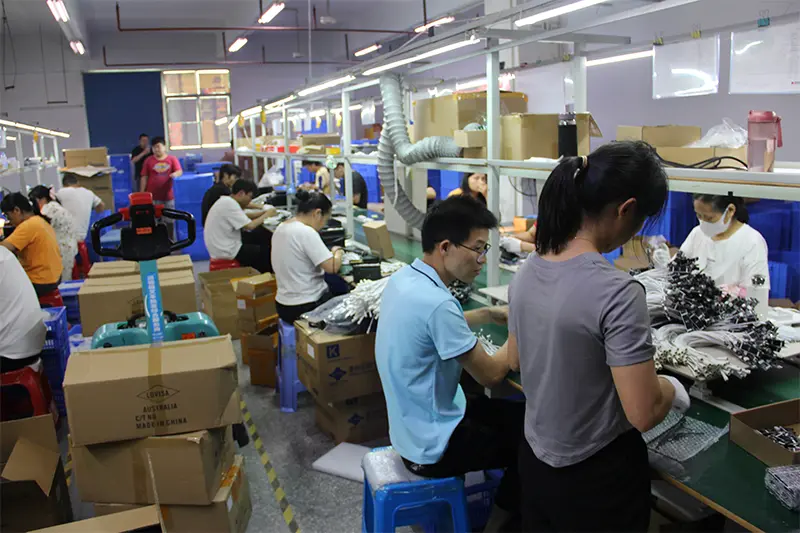
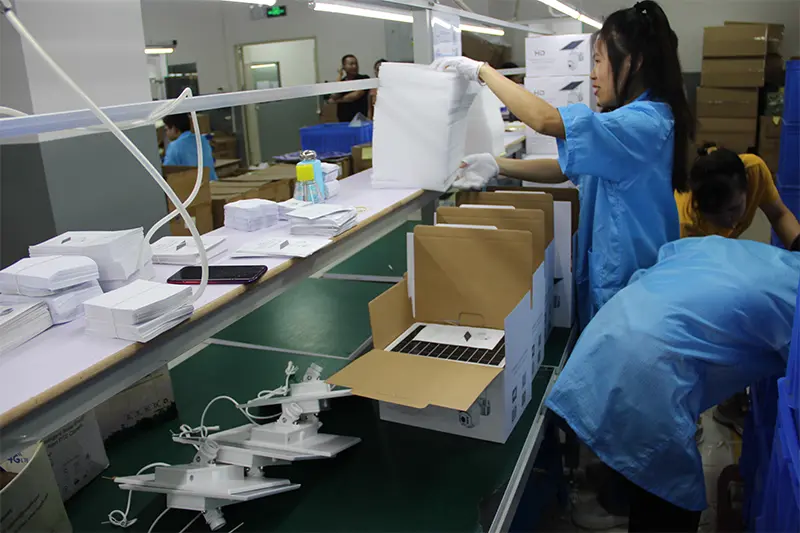
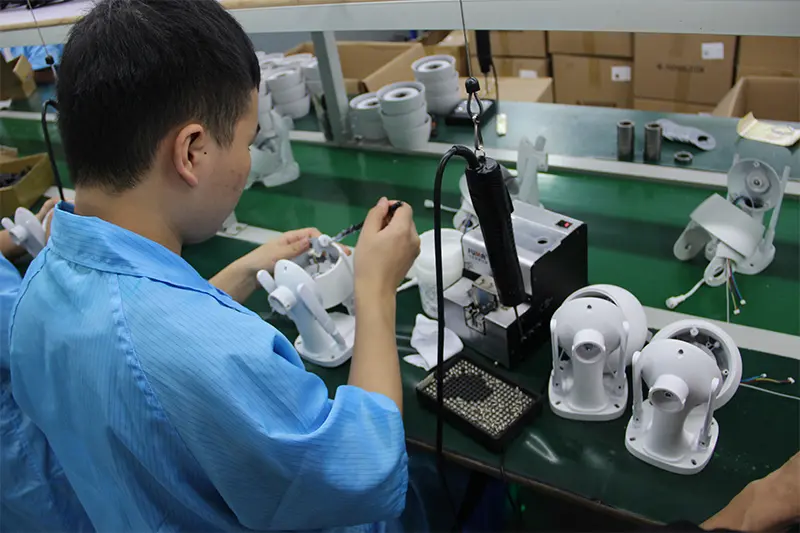
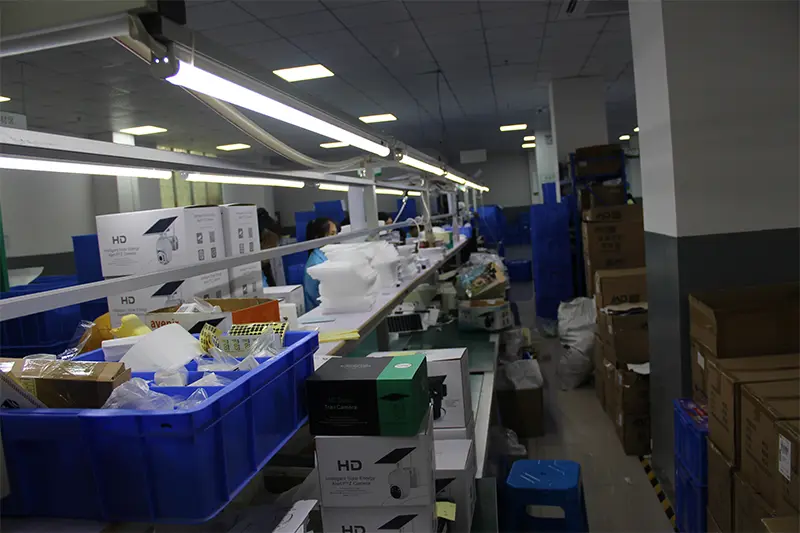
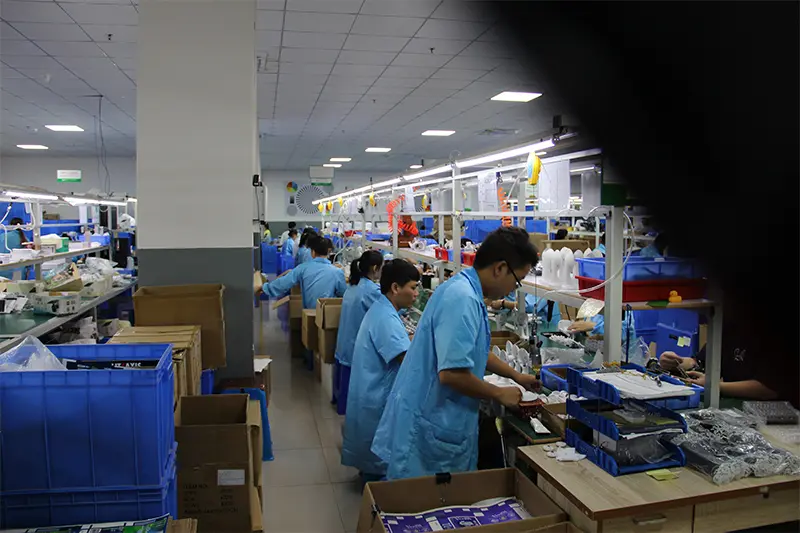
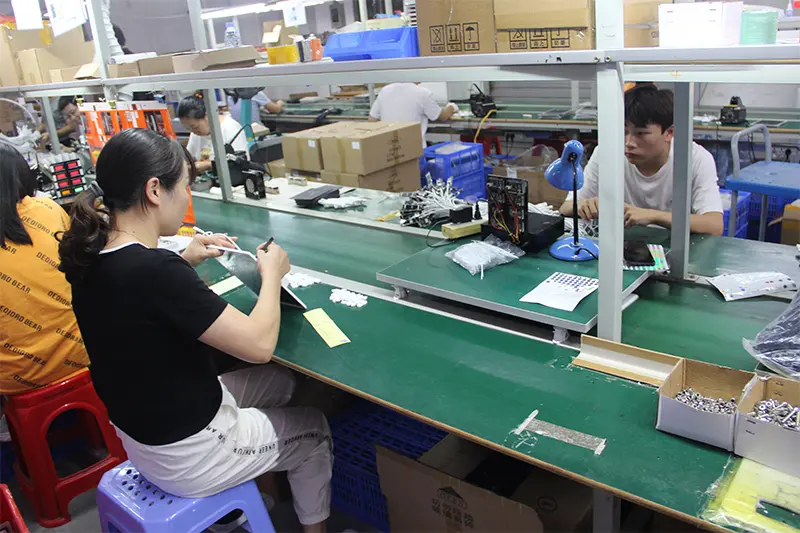
At Shenzhen Xin Vision Technology Co., Ltd. (also known as Shenzhen Xin shi jiao Technology Co., Ltd.), our production facility utilizes a highly streamlined ecosystem. From precise SMT lines and sensor calibration chambers to outdoor simulation arrays, every step of our manufacturing workflow is designed to minimize structural bottlenecks. Our localized supply chain enables us to source optical modules, heavy-duty gearboxes, and low-power IoT modules (for solar applications) quickly and at competitive costs.
Automated SMT PCB component mounting, sensor alignment, and rigorous multi-point visual inspection.
IP66/IP67 thermal water-spray chambers, dynamic vibration analysis, and high/low temperature testing.
CE, FCC, and RoHS validation, validating signal shielding, electromagnetic compatibility, and safe power design.
Real-world deployments require different security configurations. As a seasoned system supplier, we recognize that environmental factors, network latency, power constraints, and localized compliance regulations determine the system architecture. Below are the key scenarios where CE-certified PTZ cameras play an essential role:
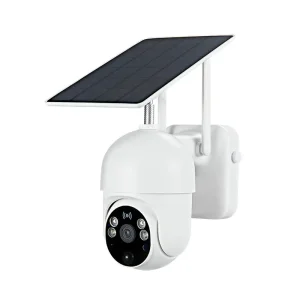
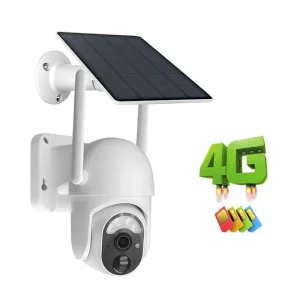
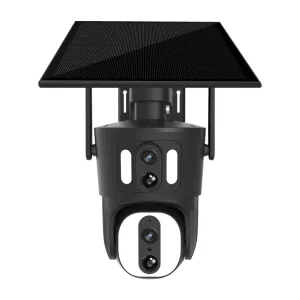
In construction sites, agricultural land, and oil pipelines, access to physical power lines and network grids is often limited. Here, our low-power 4G solar-powered PTZ cameras provide an autonomous solution. These units sleep in a low-power state and wake up instantly when the PIR body detector or radar sensor flags an anomaly. The camera then alerts remote operators via a 4G uplink, using dual-lens linkage and color night vision to secure the location without grid power.
Urban centers rely on high-frame-rate PTZ cameras to track traffic bottlenecks, detect illegal parking, and manage public safety. By employing a high-speed stepper motor and 360-degree continuous panning, our units scan busy intersections. The onboard AI chip filters out environmental noise like rain, wind, or shadows, reducing false alarms and ensuring law enforcement gets reliable, high-resolution data.
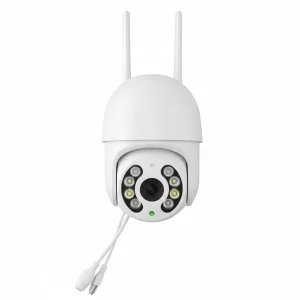
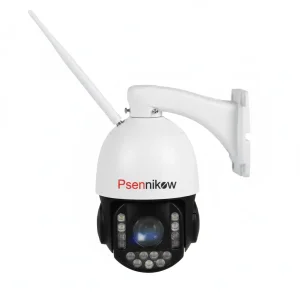
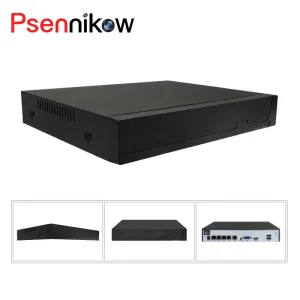
For data centers, warehouses, and corporate facilities, perimeter security is about proactive deterrence. Integrating our 8MP wireless PTZ cameras with existing NVR networks via ONVIF allows for automated security routines. The camera's active tracking system locks onto intruders, fires active deterrence strobe lights, sounds a custom audio warning, and broadcasts high-fidelity two-way audio to the control room.
The global physical security sector is advancing rapidly. Sourcing technology that becomes obsolete in two years is a major risk for enterprise buyers. To future-proof your investment, Shenzhen Xin Vision focuses on four key tech trends:
Legacy cameras relied on centralized servers to run analytics, creating high bandwidth and processing costs. Next-generation PTZ cameras perform deep learning tasks directly on the edge. This includes face capture, human/vehicle classification, cross-line detection, and behavior analysis. Performing these functions directly on the camera enables immediate local action, such as active strobe deterrents or local recording updates.
Standard color night vision requires active white light illumination. While effective, this can reveal the camera's location and attract insects. The latest PTZ designs use dual-sensor fusion (combining a high-sensitivity thermal/infrared sensor with a low-light visible-spectrum sensor) to deliver clear color video in near-total darkness without needing bright white spotlights.
Modern industrial environments demand flexible connectivity. Systems must easily transition from wired POE (Power over Ethernet) to wireless mesh networks, or even 4G/5G cellular connections powered by solar panels. Our low-power standby modes allow solar camera systems to run continuously, even through long periods of cloudy weather, by using smart sleep algorithms and efficient wake-up cycles.
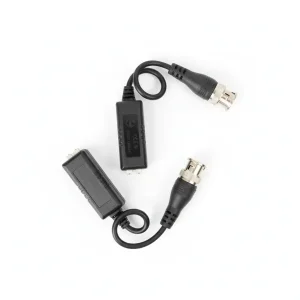
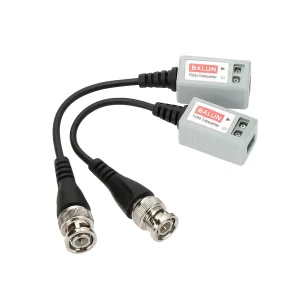
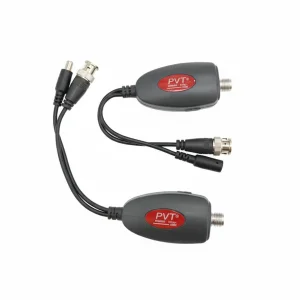
Additionally, our support for coaxial HD upgrades helps organizations update their security setup. By utilizing advanced video baluns and transmitters, legacy coaxial cables can carry high-definition digital signals over long distances, saving on rewiring costs.
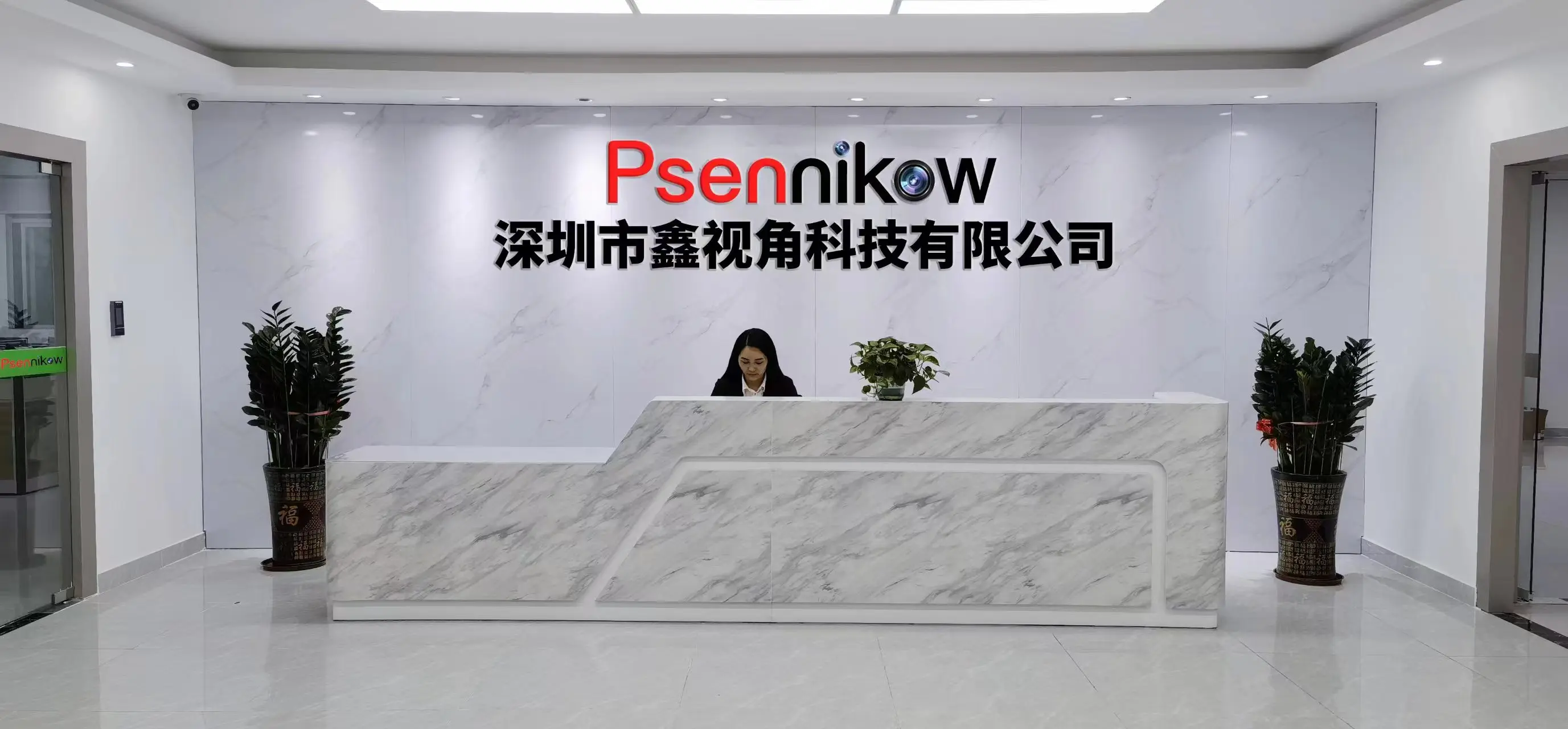
Founded in 2013, Shenzhen Xin Vision Technology Co., Ltd. (also known as Shenzhen Xin shi jiao Technology Co., Ltd.) has developed from a dedicated engineering team into an established supplier in the international security sector. We combine professional R&D, advanced manufacturing, and technical support to deliver reliable systems for government networks, transport infrastructure, commercial properties, and school districts worldwide.
Our engineering team continues to innovate, developing high-definition coaxial systems, digital network IP cameras, and wireless solar-powered surveillance setups. We are driven by a simple goal: to protect people and assets through continuous research, quality manufacturing, and reliable customer service.
Review this technical FAQ regarding compliance, customization options, and global deployment configurations for our PTZ security cameras:
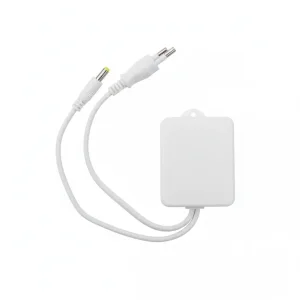
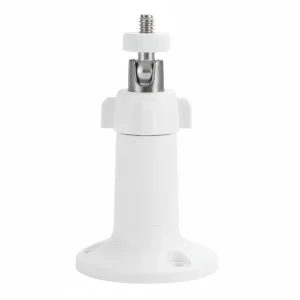
Complete your deployment with our range of brackets, solar modules, and signal converters.
 Psennikow