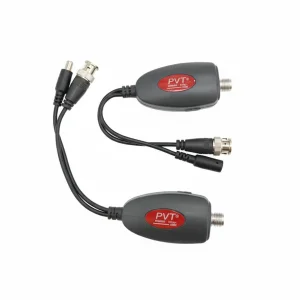
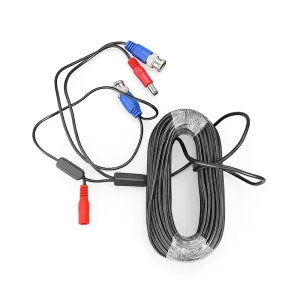
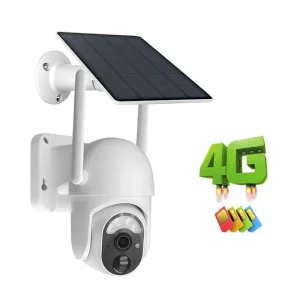
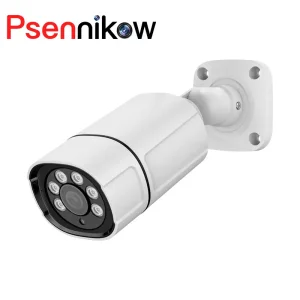
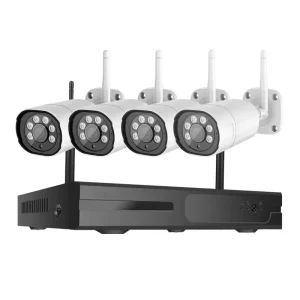
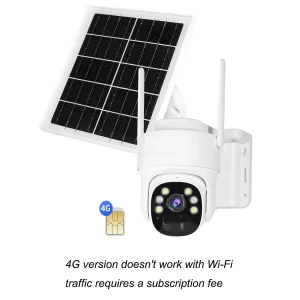
Engineered for extreme humidity, remote installation, and continuous operations in the Katanga mining region and remote municipal installations.
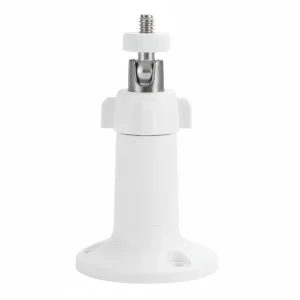
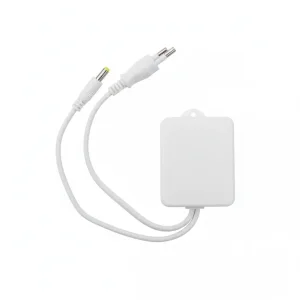
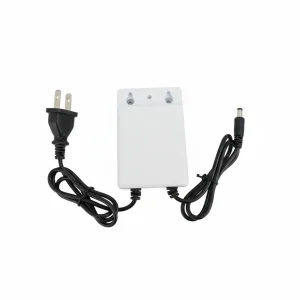
An in-depth analysis of solar energy architecture, battery thermal limits, and wireless transmission topologies required for industrial deployments.
The Democratic Republic of the Congo (DRC) faces unique infrastructural constraints. With a national electrification rate estimated below 10%—and dropping under 2% in remote rural zones—grid-tied CCTV systems are fundamentally unviable for large-scale operations. Heavy industrial sectors, particularly copper and cobalt mining companies in the Lualaba and Katanga provinces, require reliable 24/7 security systems to safeguard vital resources and multi-million dollar machinery. Traditional diesel-generator-powered security booths are highly vulnerable to fuel theft, high operational costs, and mechanical failure.
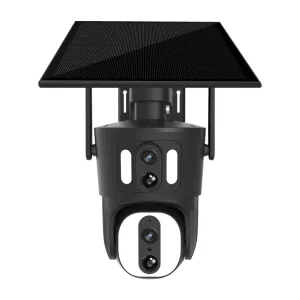
This is where off-grid solar-powered CCTV cameras serve as a core infrastructure enabler. By combining low-power high-definition imaging sensors with optimized photovoltaic (PV) generation and intelligent lithium storage systems, our solar security packages deliver continuous monitoring capability entirely independent of the unstable domestic power grid.
A standardized approach to security camera design fails in the diverse terrains of the Congo Basin. We customize our system configurations to meet the specific requirements of four main sectors:
In massive open-pit copper mines in Kolwezi, the primary threats include perimeter breaches and cargo theft. Our high-power solar cameras leverage PTZ (Pan-Tilt-Zoom) functionality, thermal imaging sensors, and AI-enabled human classification algorithms. The solar array is configured with custom anti-vibration brackets to withstand nearby blasting operations without losing video alignment.
Telco towers are scattered throughout rural DRC, often with no roads nearby. These sites run on hybrid solar/diesel systems and need constant monitoring. Low-power solar cameras running on 4G cellular transmission send real-time alerts only when motion is detected, preserving both battery storage and cellular bandwidth costs.
Even in urban areas like Gombe in Kinshasa, power outages are common. Commercial warehouses and embassies use hybrid solar security cameras. These systems switch automatically between AC grid power (when available) and solar/battery power during load shedding, ensuring constant surveillance.
For conservation areas such as Virunga National Park, cameras must operate deep in dense rain forests. We provide special solar cameras with ultra-efficient solar panels that can charge even under tree cover, combined with long-range radio transmitters to send alerts back to ranger stations.
Global procurement teams at engineering, procurement, and construction (EPC) companies require compliance with strict international quality standards. The total cost of ownership (TCO) is a critical metric: systems installed in remote parts of Central Africa must operate for years without manual maintenance. High-reliability features like premium solar controller components, IP67 housing, and durable bracket systems are essential to prevent moisture ingress and mechanical damage.
Furthermore, standard CCTV setups are being replaced by intelligent Edge-AI units. Modern buyers demand cameras that process human detection onboard, reducing video transmission bandwidth and solar energy consumption by eliminating false alarms from wind, rain, or small animals.
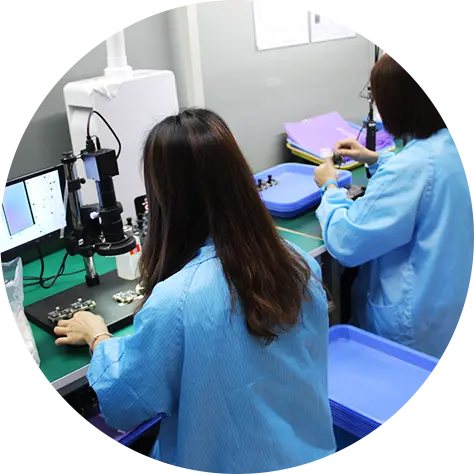
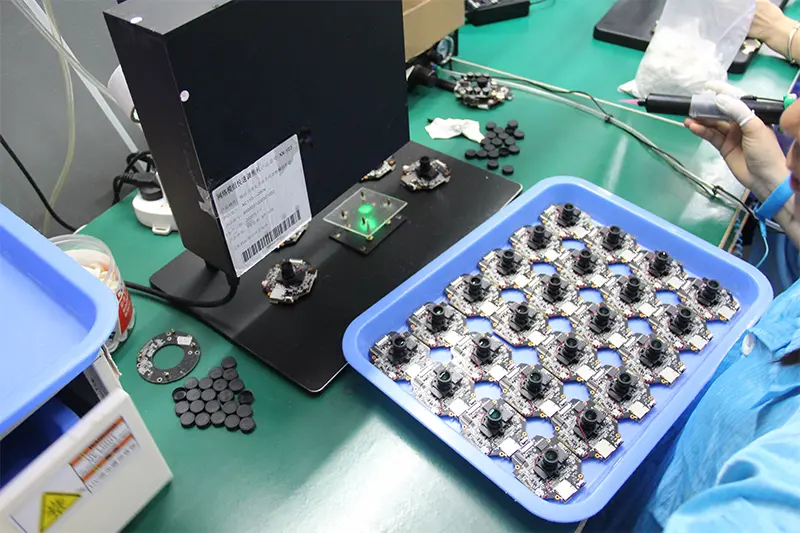
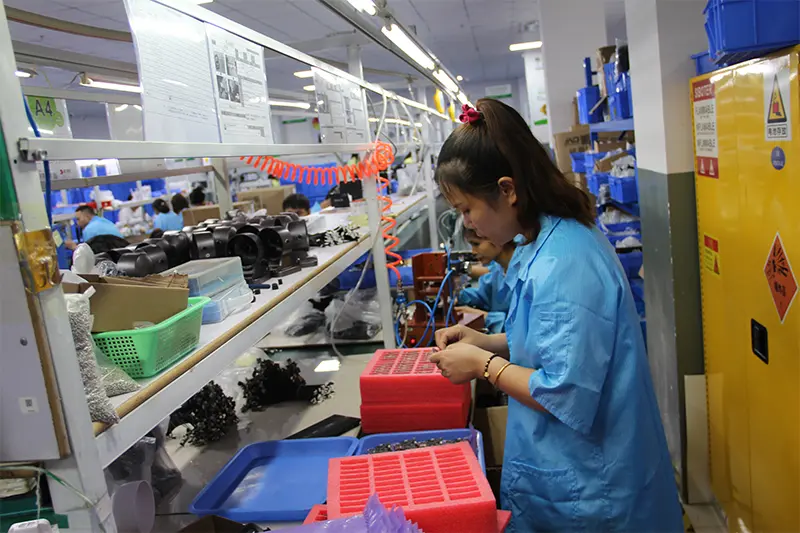
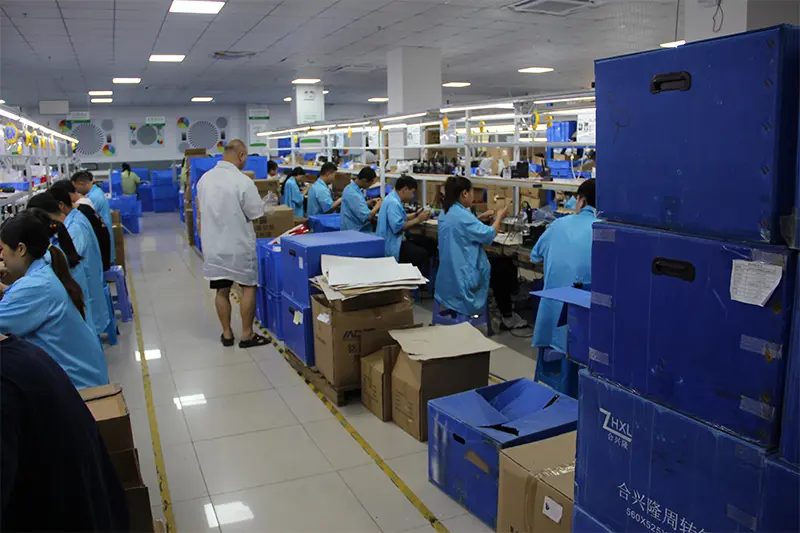
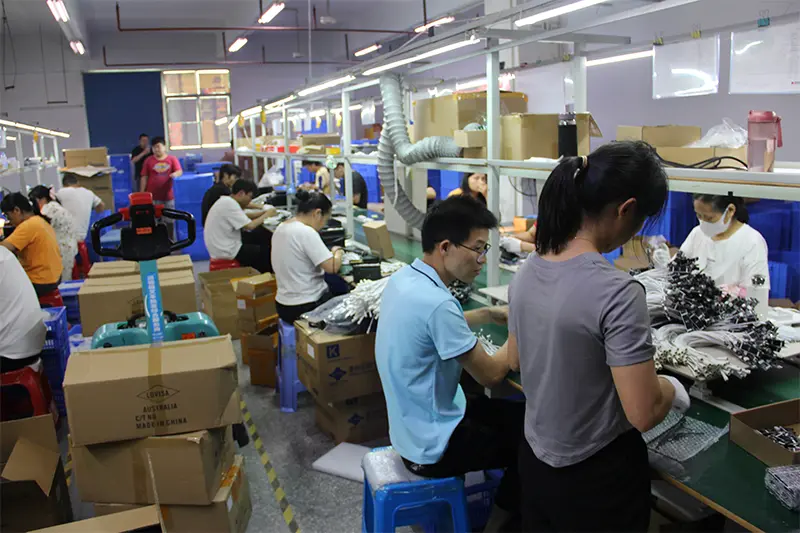
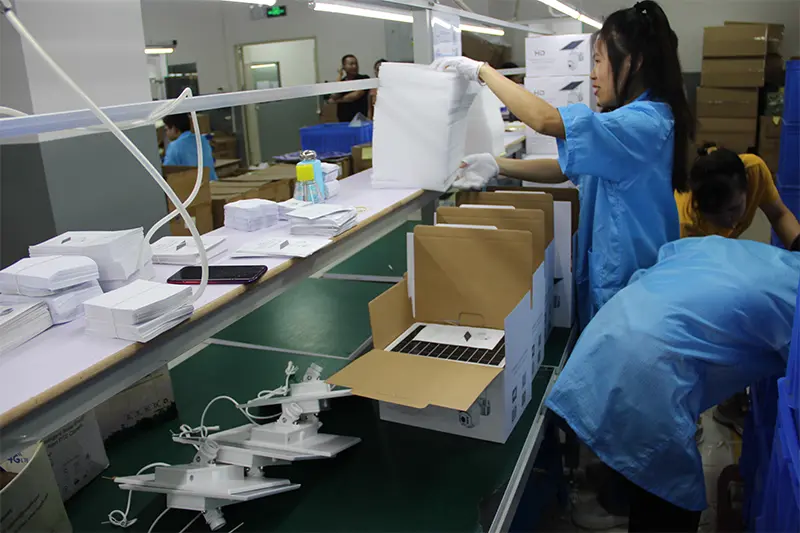
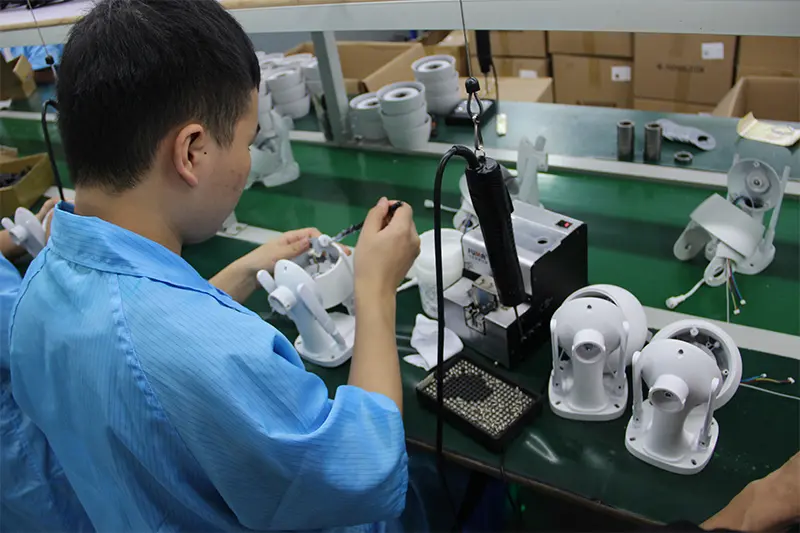
Operating as a specialized manufacturer in Shenzhen, China's hardware capital, we combine advanced Industry 4.0 production processes with direct access to top-tier supply chains. From automated SMT (Surface Mount Technology) assembly for camera circuit boards to specialized optical calibration and environmental testing, our factory ensures high-quality components. We maintain strict control over crucial raw materials, allowing us to manage lead times and ship directly to African entry ports like Mombasa, Dar es Salaam, or Matadi with minimal friction.
Shenzhen Xin Vision Technology Co., Ltd. (also known as Shenzhen Xin shi jiao Technology Co., Ltd.) was founded in 2013. With over a decade of dedicated experience in the security manufacturing industry, we have established ourselves as a trusted partner for government agencies, transportation networks, mining enterprises, residential communities, and medical institutions worldwide.
Our engineering teams focus on continuous research and development, transitioning from early high-definition coaxial systems to advanced digital IP networks, WiFi multi-camera kits, and low-power smart solar-powered surveillance solutions. We believe in providing robust security hardware that stands up to the most demanding environments on the planet.

Direct answers from our engineering team regarding solar camera installation and performance in the Democratic Republic of the Congo.
Engineered for long-term off-grid reliability in municipal, agricultural, and resource-extraction projects.
Connect directly with our engineering and procurement desks. We offer complete custom branding, physical volume production, and secure freight forwarding options direct to the DR Congo.
 Psennikow