Engineered for seamless low-power operation, remote cloud integration, and high resistance to extreme dry heat and cold mountain climates.
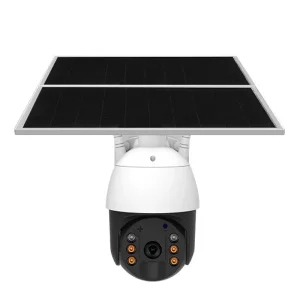
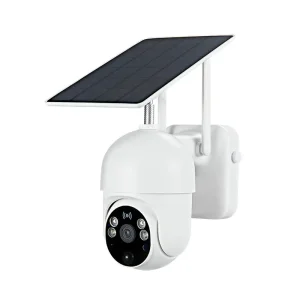
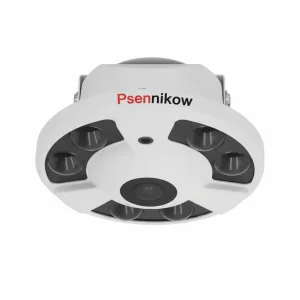
The security and surveillance landscape in Afghanistan presents highly unique challenges. Due to decades of infrastructure constraints, a persistent centralized power grid remains absent in many industrial hubs, agricultural regions, mining zones, and critical border crossings. Despite this, the rapid pace of regional commercial redevelopment, mineral extraction projects (such as copper and lithium exploration), and transport corridor modernization has dramatically increased the demand for constant, reliable security monitoring.
Traditional CCTV networks rely heavily on stable AC power and wired telecommunication structures. In Afghanistan, these parameters are rarely guaranteed. Generators are expensive to run continuously and are prone to supply chain disruptions. This has positioned solar-powered cameras not just as an eco-friendly option, but as the primary infrastructure lifeline for physical security. Implementing industrial-grade solar CCTV setups has allowed government bodies, mining operations, remote agricultural projects, and commercial warehouses to deploy standalone, zero-grid-dependency protection barriers.
Afghanistan benefits from exceptional solar potential, receiving an average of 300 clear, sunny days annually. This ensures optimal power harvest even during short winter days.
Local cellular modems, regional point-to-point wireless bridges, or onboard edge recording arrays guarantee surveillance data retention in regions without standard broadband.
Our solutions incorporate IP66/IP67 ingress ratings, advanced heat dissipating aluminum housings, and low-temperature battery heaters to withstand harsh conditions.
For contractors, local security integrators, and international NGOs operating inside Afghanistan, sourcing reliable equipment is paramount. Substandard cameras experience high failure rates under the abrasive dust and intense UV exposure characteristic of the Afghan plateau. Sourcing direct from established Shenzhen manufacturers—specifically Shenzhen Xin Vision Technology Co., Ltd. (also known as Shenzhen Xin shi jiao Technology)—provides local distributors with structural cost benefits, specialized engineering modifications, and rigorous QA verification processes.
By eliminating intermediaries, Afghan procurement managers can customize solar camera specifications to match exact site demands, such as selecting higher capacity LiFePO4 battery banks for remote sites with prolonged seasonal cloud coverage, or custom-configured firmware for efficient bandwidth conservation.
Operating security cameras autonomously requires a carefully balanced power budget. Our standard low-power solar camera lineup integrates ultra-low consumption PIR (Passive Infrared) and radar sensor arrays. The system remains in a deep sleep state, consuming microamps, until movement triggers the sensors. It then begins recording in Full HD/4K and fires off alert notifications in less than 2 seconds.
For enterprise infrastructure applications, we engineer continuous-duty (24/7 recording) solar systems. These feature high-yield monocrystalline solar panels paired with oversized lithium iron phosphate (LiFePO4) battery modules. Even under prolonged winter cloud cover in the Hindu Kush mountains, the system balances power input and output to prevent complete blackouts.
Founded in 2013, Shenzhen Xin Vision Technology Co., Ltd. brings 10+ years of dedicated R&D and manufacturing excellence to the global security sector. Operating with the foundational values of professionalism, integrity, and win-win collaboration, we design, manufacture, and distribute leading-edge surveillance equipment worldwide.
Our product lineup focuses primarily on low-power solar cameras, high-definition network cameras, and complete security suite series. These systems are highly adaptable, functioning seamlessly in both high-bandwidth environments and completely remote locales.
We began our journey with a core focus on coaxial high-definition and digital network cameras. Our engineers successfully worked to bypass traditional transmission limitations and secure remote data transmissions. Expanding on this success, we integrated low-power solar camera technologies and wireless kit systems into our production lines to meet the growing global demand for eco-friendly, off-grid security systems.
Years Experience
Skilled Workers
Square Meters Factory
Hours Service Support
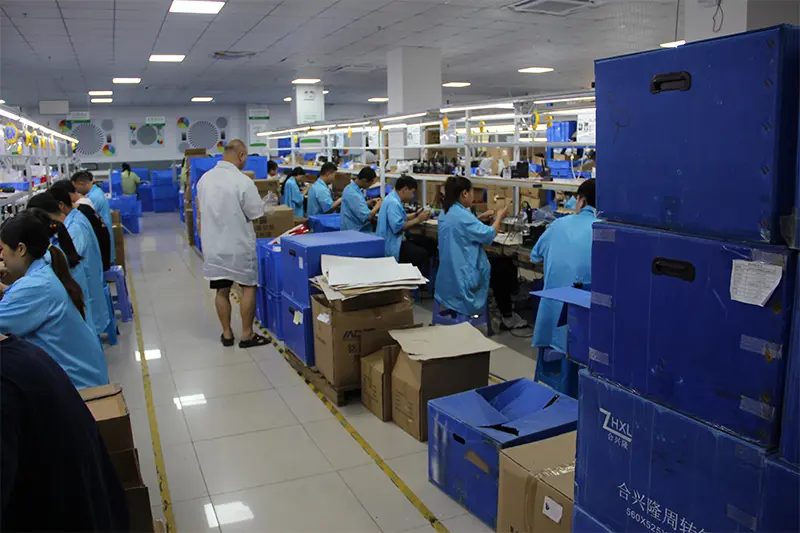
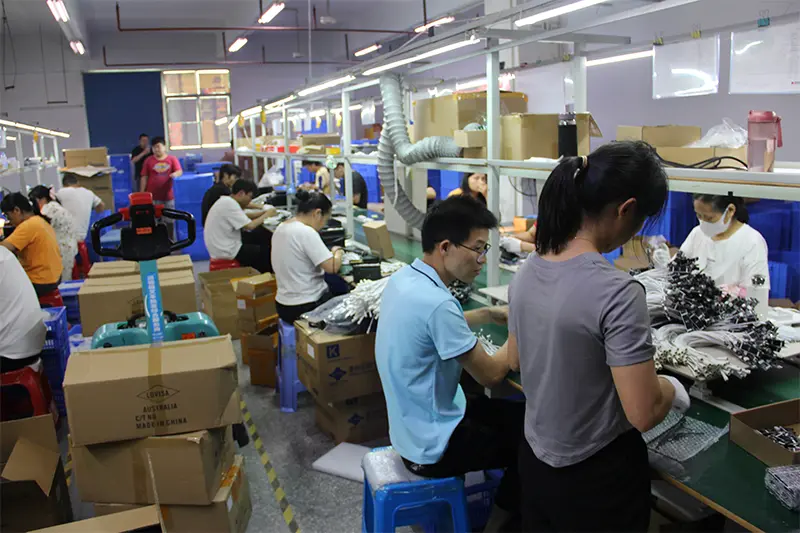
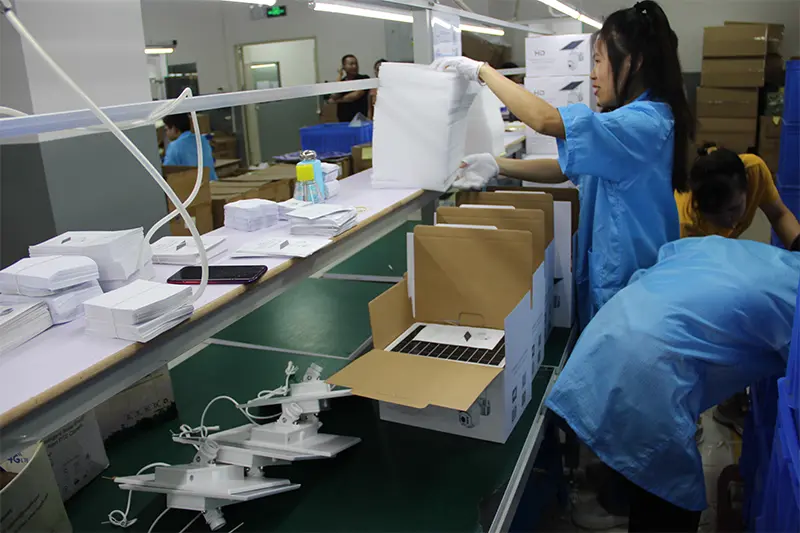
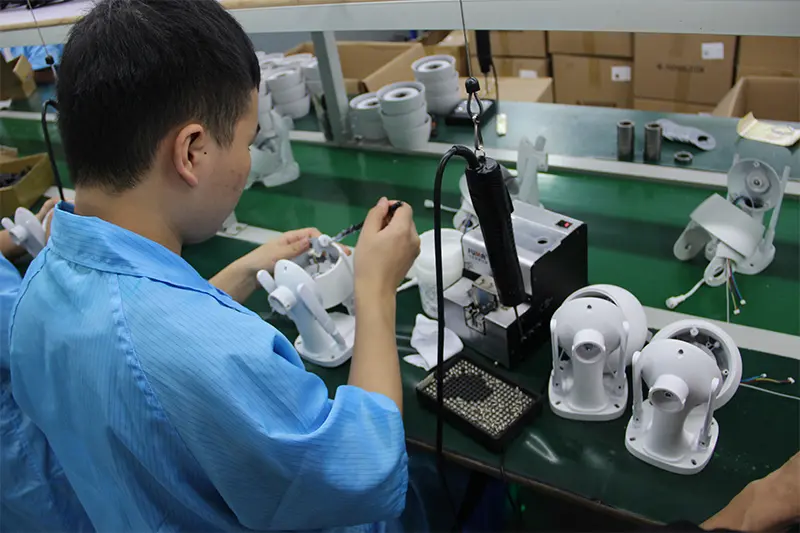
Rigorous quality control processes and modern SMT assembly lines guarantee the durability of our security hardware.
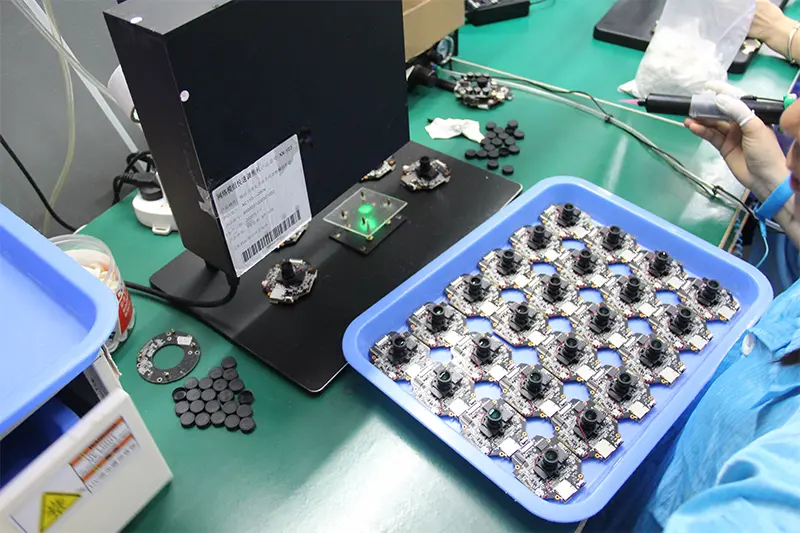
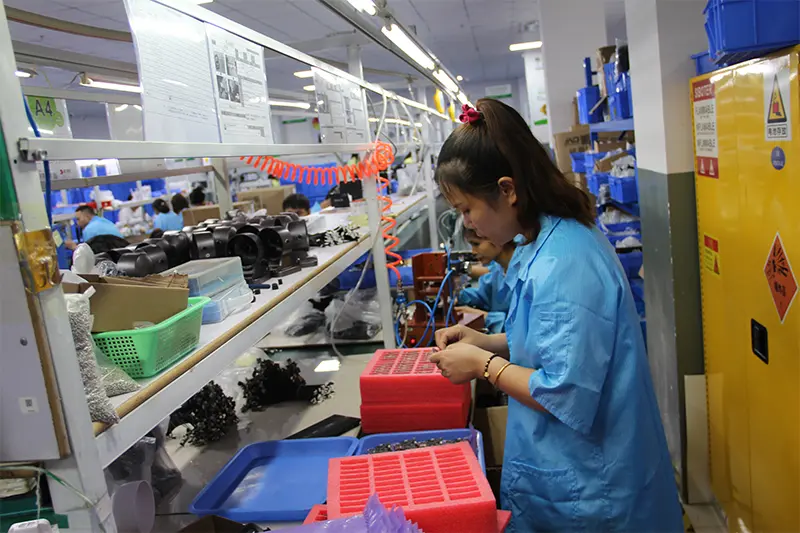
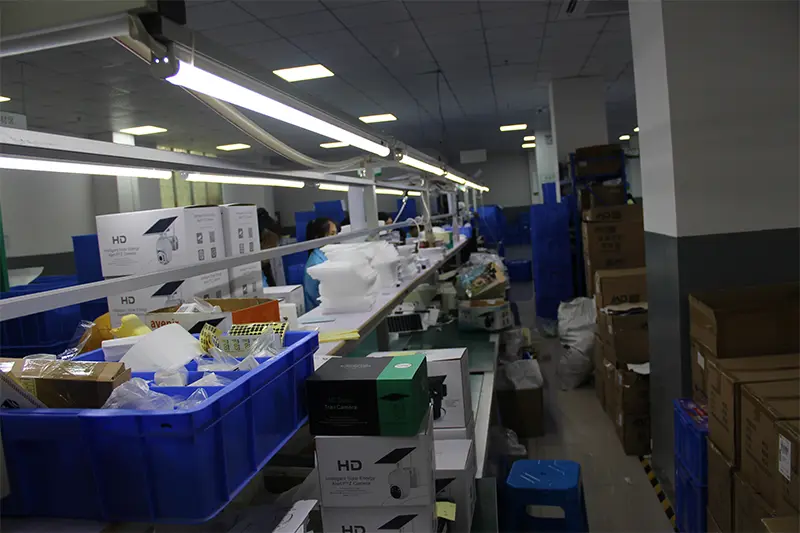
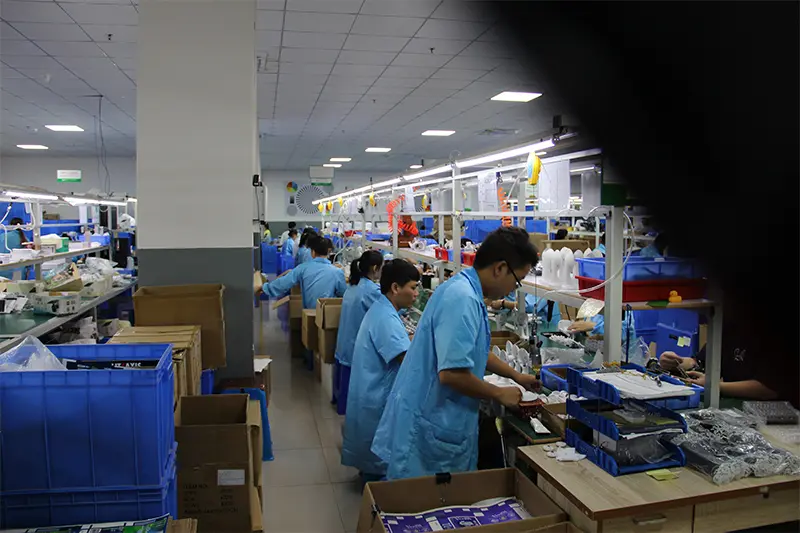
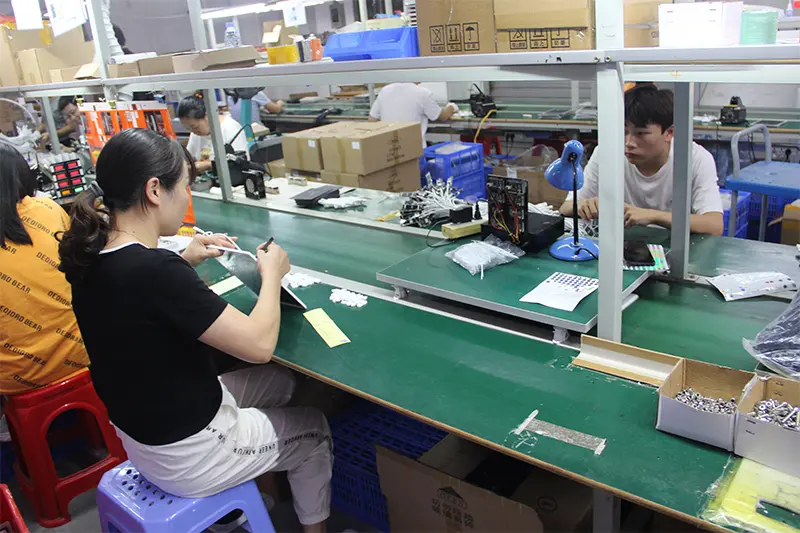
Deploying high-quality solar cameras requires tailoring systems to specific commercial use cases. Below are the primary deployment frameworks we offer to local developers, security companies, and industrial managers:
Mining operations in remote provinces like Logar, Bamyan, and Badakhshan require continuous perimeter monitoring. Our robust outdoor solar cameras operate over high-frequency wireless networks to feed live feeds to central command centers located miles away from the excavation zone.
Protecting irrigation systems, water distribution pump installations, and farmlands from theft or vandalism requires standalone systems. Our solar-powered PTZ cameras cover wide acres without requiring trenching for electrical cables.
Securing long borders through complex topography requires ruggedized, military-adjacent surveillance design. Incorporating high-zoom optics, thermal night vision cameras, and low-draw solar components ensures reliable long-distance detection.
All systems are designed to accommodate localized communication infrastructures. For areas completely devoid of mobile signal networks, we configure dual-path local video recorders that store high-definition footage onto industrial-grade SD storage cards. This data can later be retrieved or beamed locally using Point-to-Point long-range directional Wi-Fi links.
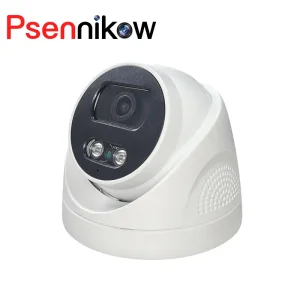
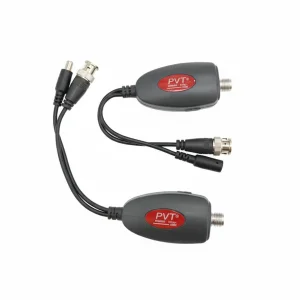
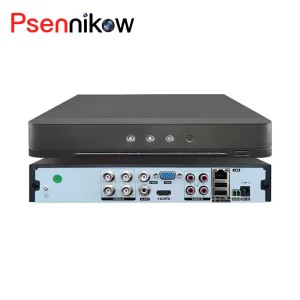
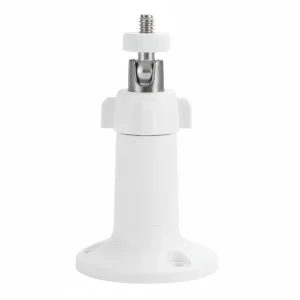
A complete security grid is only as strong as its connections. Invest in high-durability brackets, adapters, and signal transmitters engineered to last under high temperatures and thermal fluctuation.
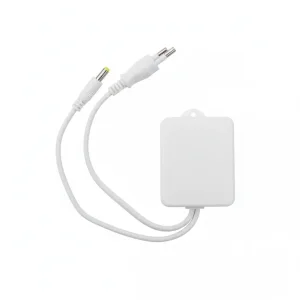
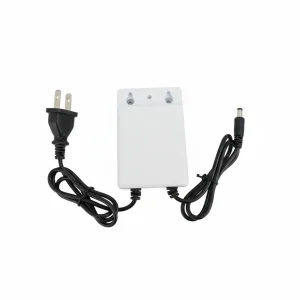
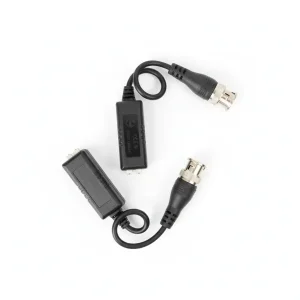
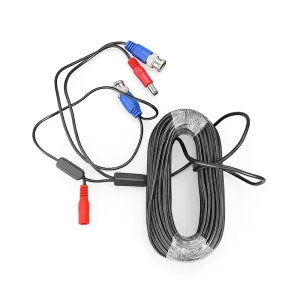
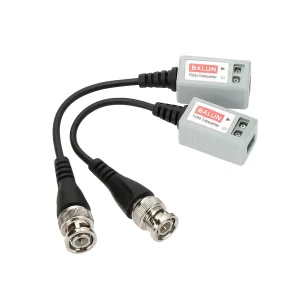
Building autonomous electronic systems for Afghanistan's geography requires high components standard compliance. Normal commercial components degrade quickly when exposed to fine silt dust and fluctuating dry temperatures. Our engineering group concentrates on five core pillars to ensure long-term field stability:
These technologies help minimize the operational cost of managing remote surveillance configurations. By selecting components designed for harsh environments, buyers reduce maintenance schedules and protect critical sites without needing a technician physically present.
Find answers to common questions about power management, cellular integration, and shipping logistics.
Our cameras feature custom-configured sleep modes and active PIR sensors that limit active recording to actual movement. In standby mode, battery power consumption drops significantly, allowing standard LiFePO4 batteries to run up to 5–7 continuous days without sunlight.
Yes. While many configurations utilize 4G LTE connections, our systems can record locally to high-speed micro-SD cards (supporting up to 256GB). Additionally, we can integrate long-range Point-to-Point Wi-Fi modules to transmit data up to 10 kilometers to a centralized regional storage array.
Extreme cold can degrade battery performance. To combat this, our outdoor solar models can be equipped with temperature-controlled heating pads within the battery compartments. These use a fraction of solar input to keep the battery cells in their optimal temperature range.
Yes, as a manufacturer with over a decade of production experience, we specialize in customizing solar panels, brackets, battery capacities, and camera form factors. We can pre-configure firmware, brand components, and adapt frequency bands to suit regional telecommunications providers.
We coordinate with local shipping agencies and international cargo forwarding companies to handle transit through regional shipping corridors, ensuring compliant customs documentation and reliable delivery.
Contact our technical engineering team today to review your project requirements, request a bulk quotation, or discuss OEM/ODM hardware customization options.
 Psennikow