Samoa, dynamic in its geographical makeup across Upolu, Savai'i, and smaller islands, faces unique infrastructural challenges. As urbanization expands around Apia and remote agriculture, tourism, and maritime sectors spread outward, the demand for continuous security monitoring is critical. Traditional wired security frameworks are often logistically impossible or cost-prohibitive due to the complex, dense terrain and vulnerability to severe tropical storms.
This is where solar-powered camera systems emerge as a vital alternative. Leveraging the region's high solar exposure, these off-grid camera networks operate independently of local utility lines, offering uninterrupted protection for properties, eco-resorts, government assets, and agricultural investments like taro and cocoa plantations.
On a global scale, security demands are shifting rapidly toward sustainable, renewable energy systems. Urban planning and industrial site management are incorporating smart technologies to reduce carbon footprints while maintaining robust safety protocols. In isolated environments—ranging from the high-temperature deserts of Australia to the high-humidity coastal zones of the Pacific—solar security cameras are setting new benchmarks.
Our company, Shenzhen Xin Vision Technology Co., Ltd., integrates advanced R&D with a refined manufacturing supply chain to build solar-powered systems that operate reliably worldwide. Utilizing high-efficiency MPPT controllers and modern LiFePO4 batteries, our hardware is designed to maximize energy capture and extend system life. This standard of quality ensures that remote installations in Samoa remain fully operational even during extended periods of heavy overcast skies.
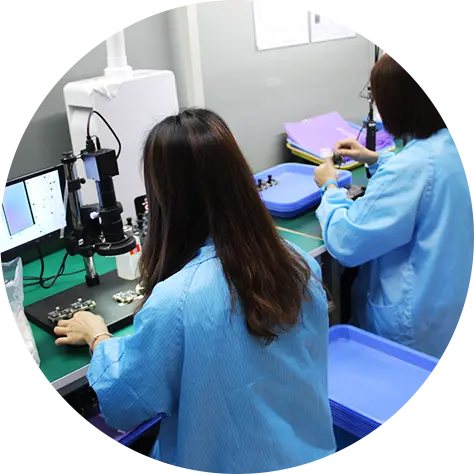
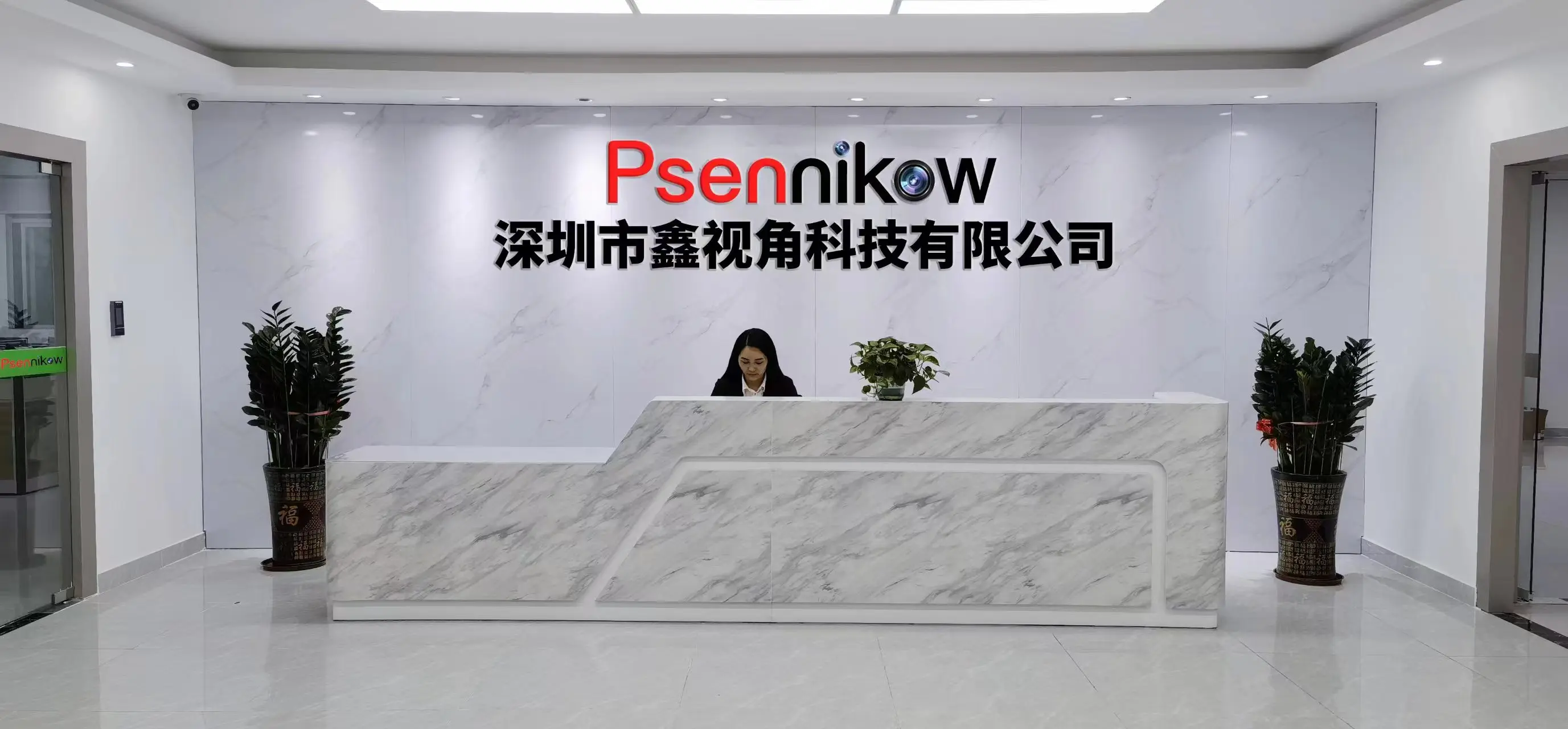
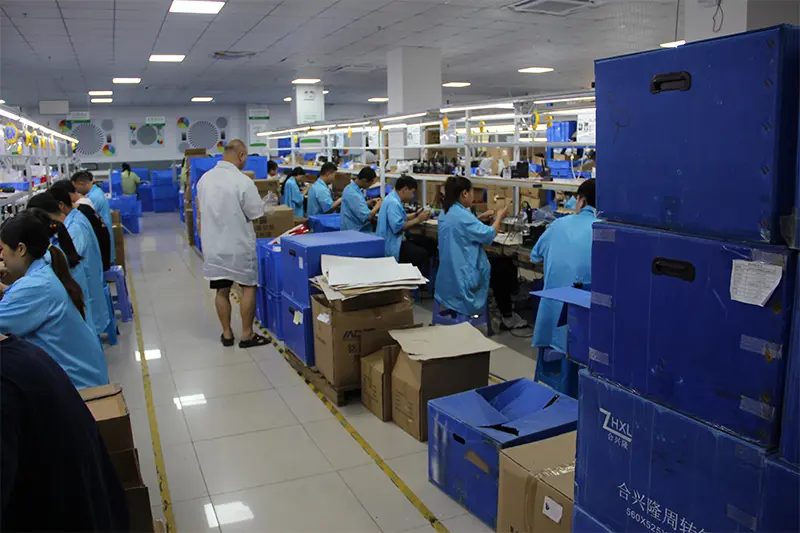
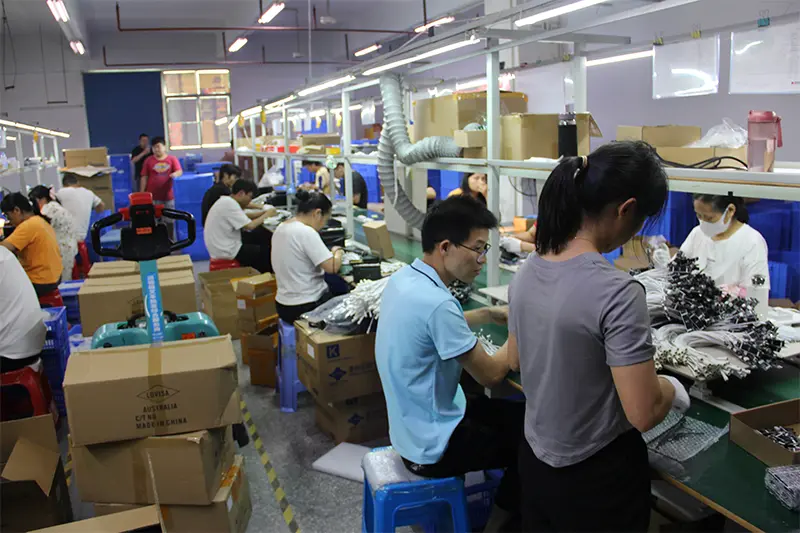
Founded in 2013, Shenzhen Xin Vision Technology Co., Ltd. (also known as Shenzhen Xin shi jiao Technology Co., Ltd.) brings over 15 years of industry experience to the global security sector. Operating from a highly efficient 1000+ square meter factory, our team of dedicated engineers, quality control specialists, and production staff design, test, and manufacture cutting-edge surveillance solutions.
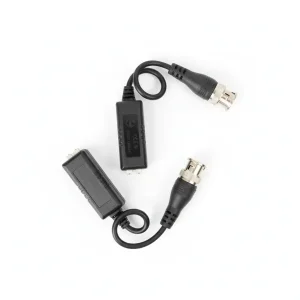
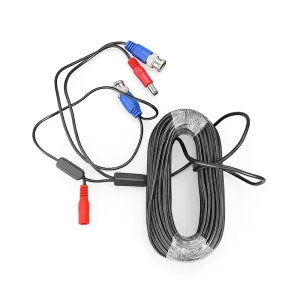
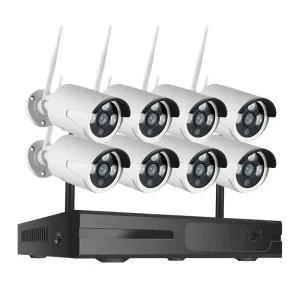
Our extensive portfolio spans low-power solar cameras, smart coaxial high-definition systems, network IP cameras, and complete multi-channel wireless kits. We serve a broad range of sectors, including government utilities, logistics networks, maritime projects, commercial developments, and residential communities, delivering reliable security where traditional power lines cannot reach.
Island climates present distinct challenges to electronics. Our manufacturing line uses high-grade components specifically treated to resist environmental corrosion and manage heat.
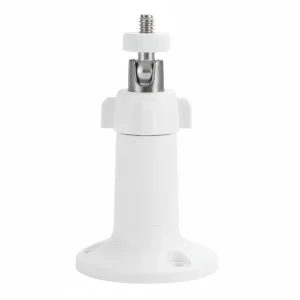
All mounting systems, screws, and brackets are constructed using aviation-grade aluminum alloys or heavily galvanized metals. They are finished with special anti-saline coatings to prevent oxidation caused by ocean air.
Traditional solar regulators lose power efficiency during cloudy weather. Our systems utilize Maximum Power Point Tracking (MPPT) to capture up to 30% more energy in low-light conditions, keeping batteries charged.
Standard lithium batteries degrade quickly in hot tropical environments. We use high-capacity Lithium Iron Phosphate (LiFePO4) cells that offer superior safety, long service life, and stable performance up to 60°C.
Our off-grid technology is built to serve several key sectors across Samoa:
Securing guest areas and perimeter paths without disturbing natural landscapes or requiring extensive trenching for power lines. The discrete profile of our systems maintains resort aesthetics while protecting visitor safety.
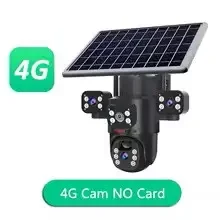
Samoa’s farming regions, which produce vital crops like coconut, cacao, and root vegetables, are often deep inland and vulnerable to theft. Our solar 4G cameras offer direct, real-time monitoring and alert notifications directly to mobile phones.
Monitoring coastal developments, boat docks, and ocean levels requires weather-sealed equipment. Our outdoor-rated systems withstand high winds and direct water spray, delivering clear video feeds year-round.
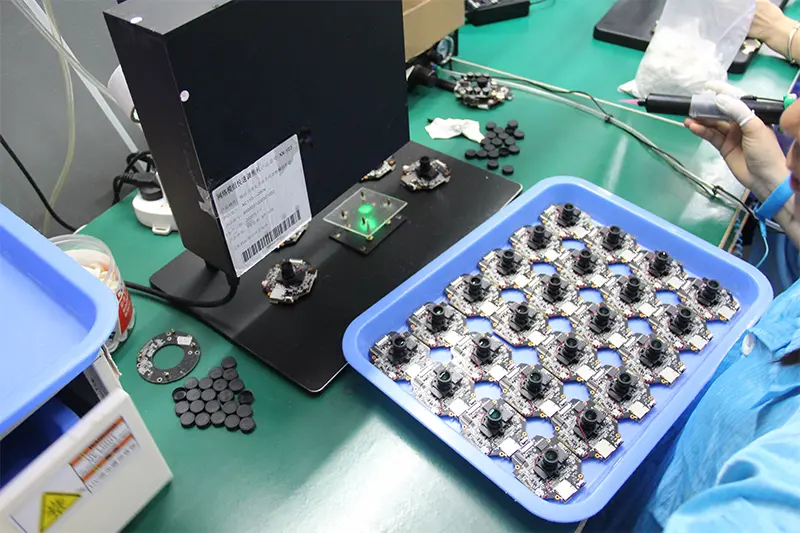
Our commitment to engineering drives continuous system improvements. We are currently integrating Edge AI capabilities into our solar camera lines. This technology processes video on the device, identifying humans and vehicles locally to filter out false alarms caused by animals or wind-blown vegetation.
We are also optimizing our cameras for low-bandwidth cellular environments. This ensures stable video streaming and reliable notifications over 4G LTE bands in remote parts of Samoa. By combining smart compression protocols with high-efficiency hardware, we help users minimize data costs while maintaining clear surveillance coverage.
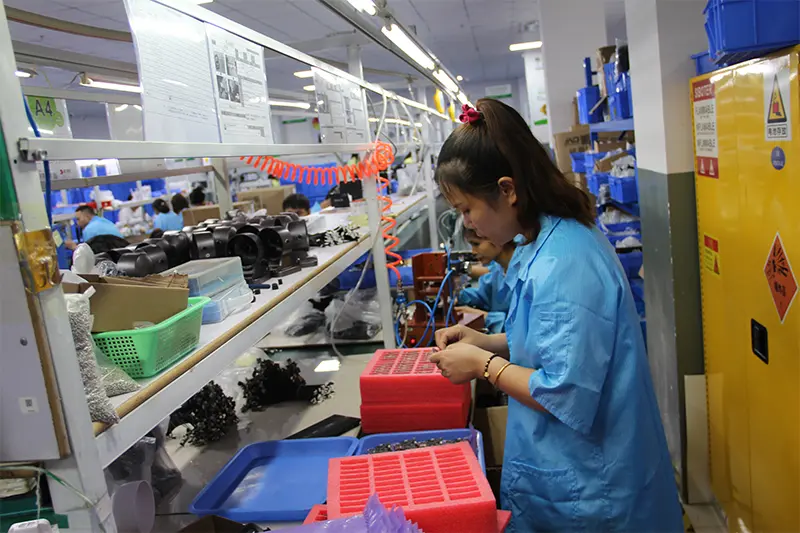
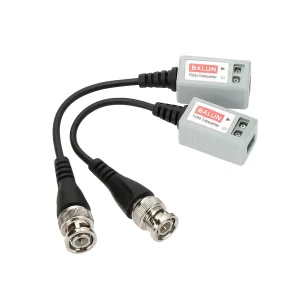
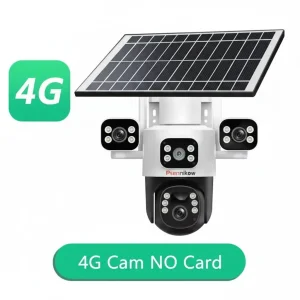
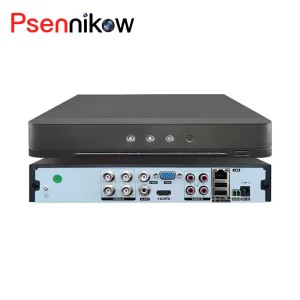
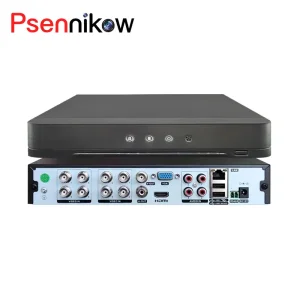
We provide streamlined supply chain and logistics support to Samoa, including shipping to the port of Apia. Our team handles the preparation of commercial documentation, customs clearance forms, and packing lists to ensure efficient delivery.
Our solar security equipment is built to meet CE standards and local electrical code guidelines. By using low-voltage DC configurations, our systems simplify local installation and eliminate the need for specialized high-voltage licensing, helping to lower project deployment costs.
"Whether delivering single installations or supplying large government infrastructure projects, we maintain rigorous quality testing standards. Every unit undergoes detailed environmental simulation testing, including salt spray and extreme heat performance checks, before leaving our production line."
- Shenzhen Xin Vision Quality Management TeamOur cameras are built with high-efficiency monocrystalline solar panels and smart MPPT controllers, allowing them to charge under diffuse light conditions. Paired with high-capacity Lithium Iron Phosphate (LiFePO4) batteries, they store enough power to sustain normal camera operations for several days of overcast weather.
We protect our cameras and mounts using corrosion-resistant materials. Metal components are made from anodized aluminum alloys, and enclosures are finished with marine-grade coatings to withstand salt-spray and high humidity in coastal zones.
Yes, our 4G solar camera models are designed to operate on standard LTE bands used throughout the Pacific, including by major local operators. They offer stable remote streaming and alert notifications directly to your phone.
We use LiFePO4 batteries because they handle heat better than standard lithium-ion options. These batteries maintain stable performance and offer a long lifespan, typically delivering 2,000+ charge cycles even under high tropical temperatures.
Since our solar-powered cameras run on low-voltage DC power, they do not require high-voltage electrical certification to install. This makes them easier and more cost-effective to set up in remote agricultural and commercial locations.
Contact our technical engineering team for custom site plans, bulk pricing options, and complete system delivery arrangements.
Send Inquiry Now Psennikow