Engineered to deliver uninterrupted visual surveillance in remote Namibian landscapes without electrical grids or telecom copper wirelines.
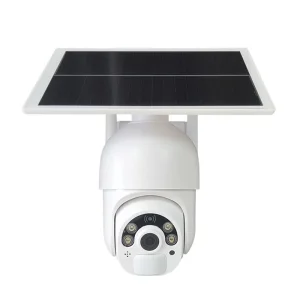
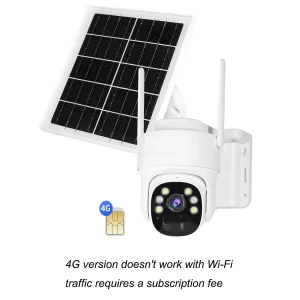
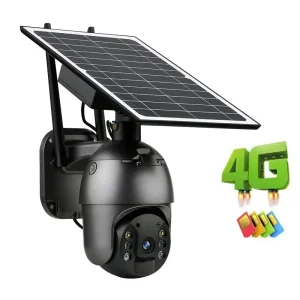
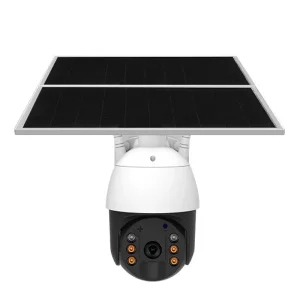
Namibia's vast geography, characterized by the rugged Namib Desert, the semi-arid Kalahari, and expanding industrial infrastructure, poses unique security and monitoring challenges. Conventional wired CCTV security systems require massive power line layouts and complex communication networks. This conventional approach is financially prohibitive and physically impractical across remote agricultural lands, mining sites, marine harbors, and conservation areas.
As the driest country in Sub-Saharan Africa, Namibia enjoys over 300 days of sunshine annually. The Global Horizontal Irradiance (GHI) averages more than 2,200 kWh/m² across the Erongo, Khomas, and Karas regions. This exceptional solar abundance positions Namibia as the ideal market for off-grid solar-powered cameras. Our advanced low-power security cameras leverage high-efficiency monocrystalline solar panels and thermal-tolerant lithium batteries. This combination creates highly resilient, maintenance-free, and autonomous security nodes that operate continuously, day and night.
No power grid connection or structured optical fibers needed. Integrated 4G LTE modems and micro-solar stations secure remote installations autonomously.
Built with heavy-duty IP67/IP68 weather protection to withstand sandstorms, extreme temperatures up to 50°C, and highly corrosive coastal salt mist near Walvis Bay.
Features state-of-the-art dual PIR and radar detection algorithms. Minimizes false alerts from blowing desert sand, swaying flora, or local wildlife.
Deploying tailored hardware structures to meet the stringent monitoring standards of Namibia's primary industries.
Whether monitoring uranium operations in the Erongo region or mineral mines near Karasburg, site perimeters cover vast, remote distances. Our long-range solar-powered cameras feature active 4G data transmission. They deliver high-definition video feeds directly to a centralized Security Operations Center (SOC) in Windhoek, eliminating the need for copper cabling.
Large-scale livestock and game farming require reliable security to counter cattle rustling and unauthorized intrusions. Low-power solar-powered Wi-Fi and LTE camera solutions provide perimeter protection. Supported by integrated local cloud storage, they send real-time alerts upon identifying human intrusions.
National parks require non-intrusive monitoring to protect endangered species and manage visitor safety. Camouflaged, low-impact solar camera kits blend into the natural habitat. They run on eco-friendly power storage, providing 24/7 high-fidelity monitoring without disrupting local wildlife.
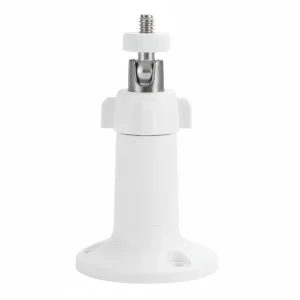
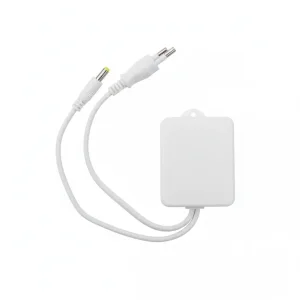
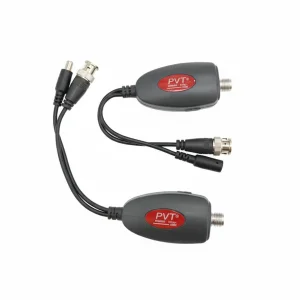
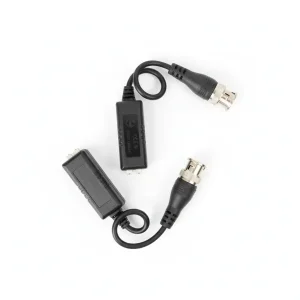
The port expansion at Walvis Bay and key commercial hubs in Windhoek demand high-performance POE networks and robust outdoor systems. Our systems utilize heavy-duty, marine-grade aluminum alloy camera mounts and video balun components. This prevents maritime moisture corrosion and maintains structural integrity near coastal zones.
Founded in 2013, Shenzhen Xin Vision Technology Co., Ltd. (also known as Shenzhen Xin shi jiao Technology Co., Ltd.) is a premier industrial manufacturer of advanced security systems. We combine design, engineering, software development, and quality-controlled assembly under one roof. Over the past 15+ years, we have delivered enterprise-level surveillance systems globally.
Our engineers constantly innovate to protect life and property. Recognizing the challenges of off-grid projects in growing economies, we developed low-power solar cameras, specialized transmission accessories, and POE configurations. These solutions are tailormade to perform reliably in regions with limited network access.

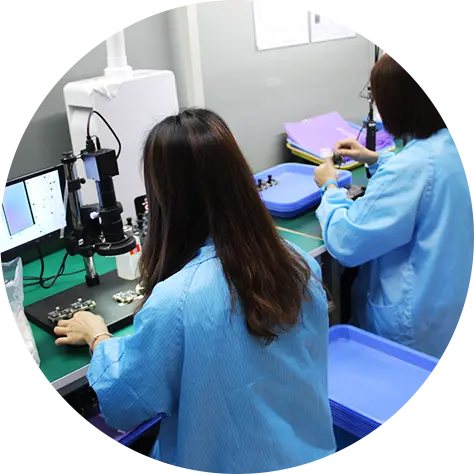
Rigorous manufacturing pipelines and state-of-the-art diagnostic testing guarantee that every solar camera and CCTV accessory meets international standards before shipment.
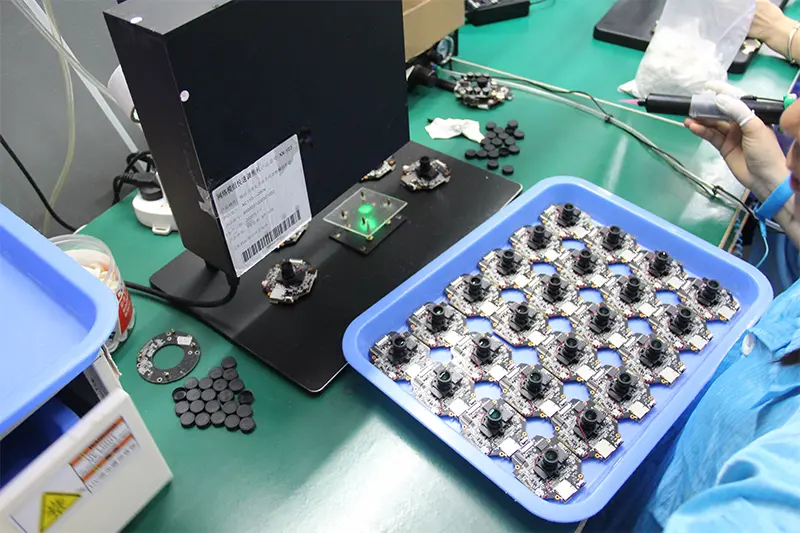
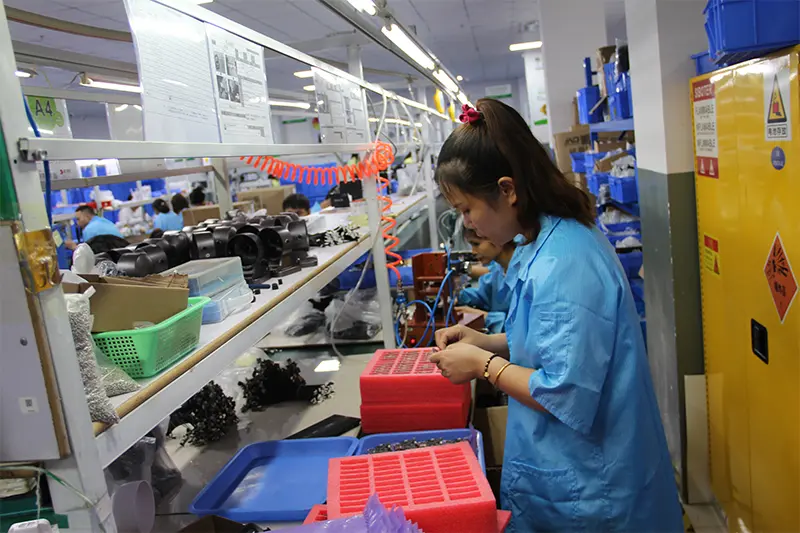
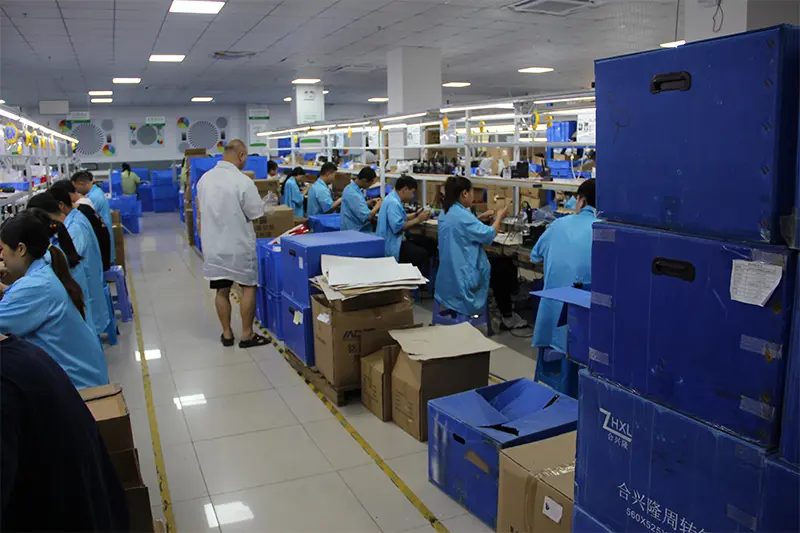
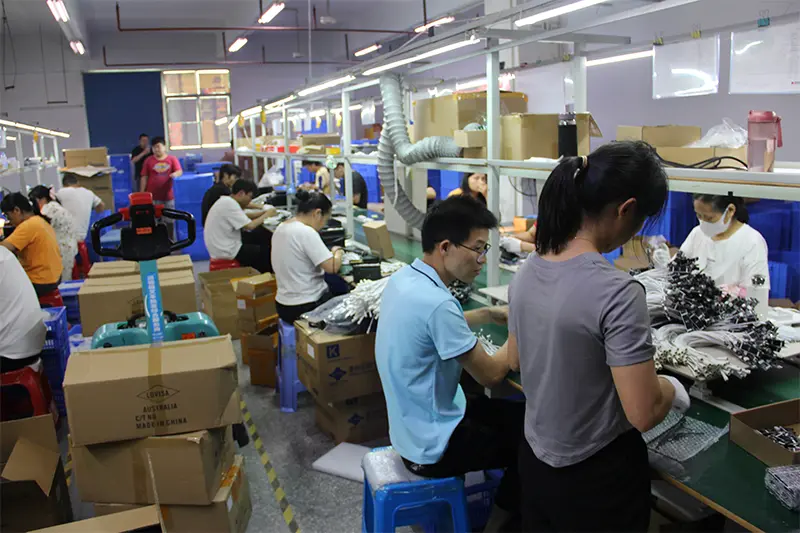
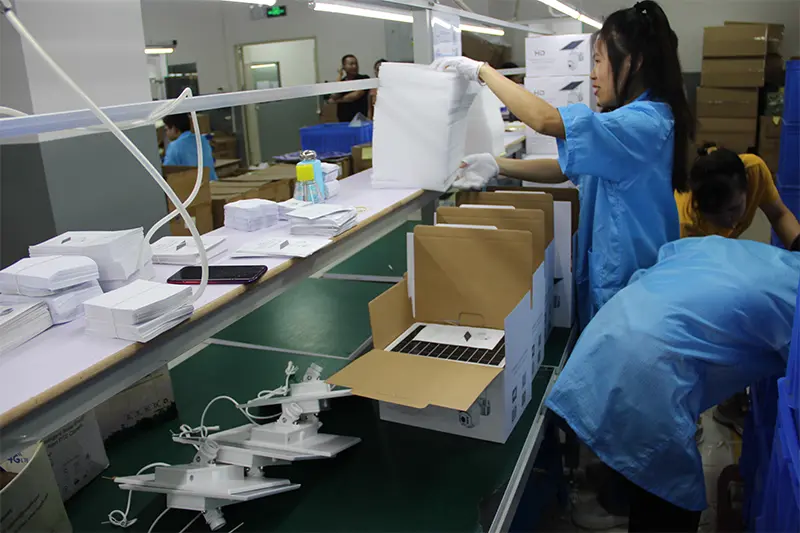
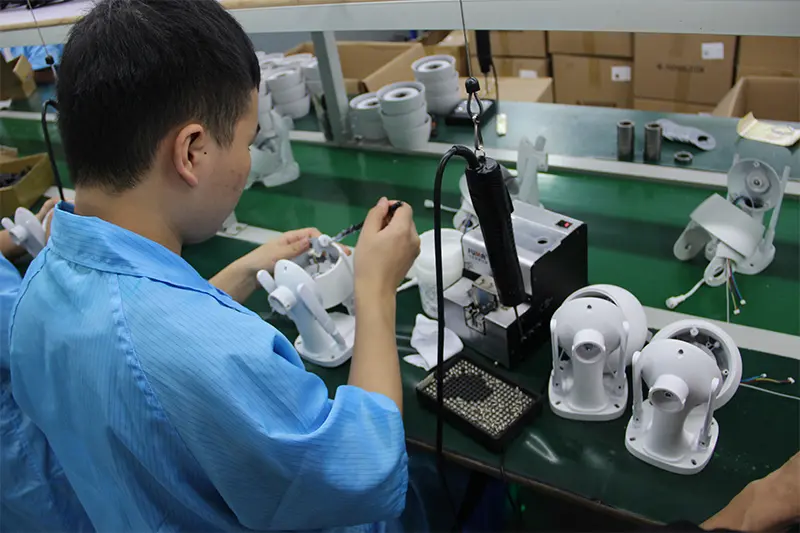
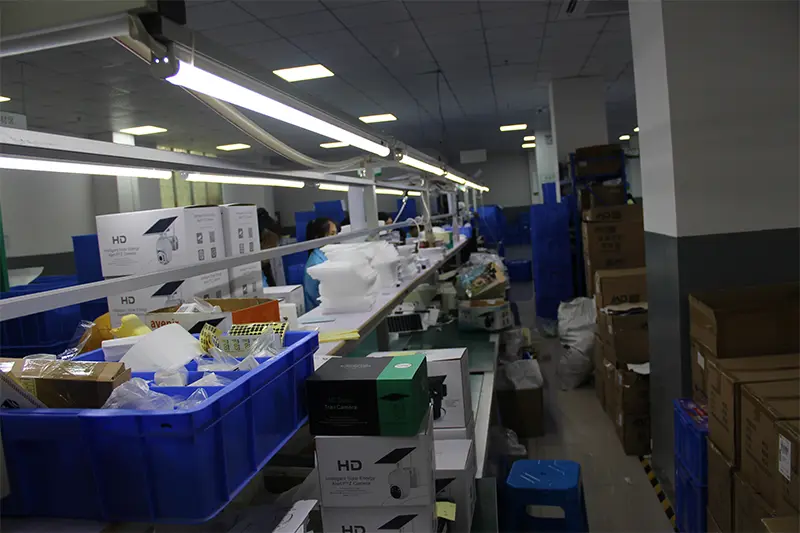
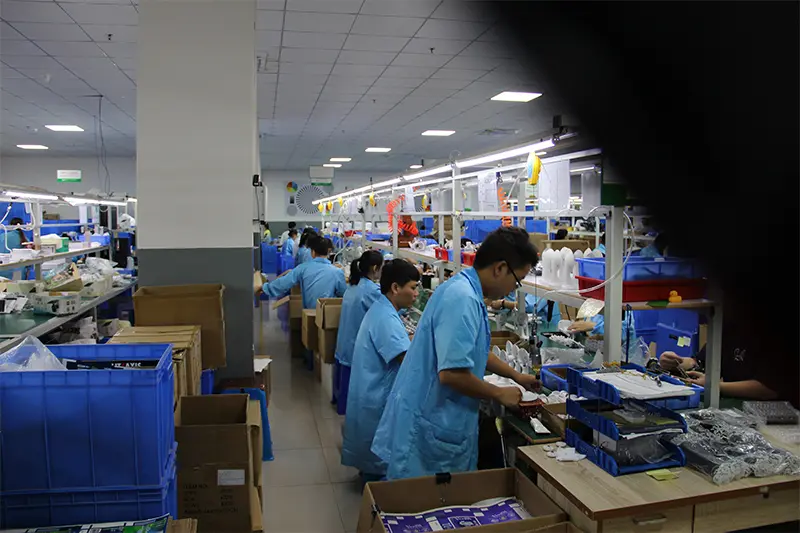
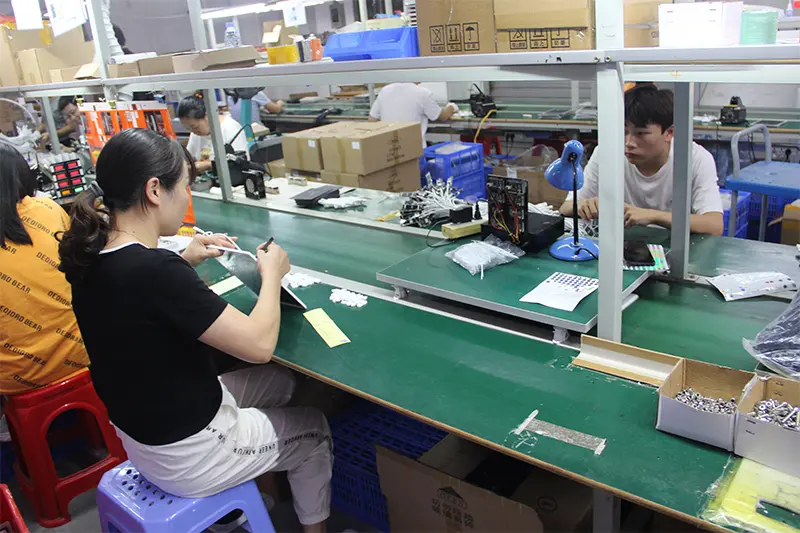
To operate reliably in Namibia, solar-powered cameras must be built to withstand environmental challenges that cause lesser models to fail. Below are the key engineering design parameters that differentiate our OEM solar cameras in harsh environments:
Lithium Cobalt (LiCoO2) batteries degrade in extreme heat. We construct our energy systems with Lithium Iron Phosphate (LiFePO4) storage, rated for temperatures up to 60°C. Coupled with intelligent BMS (Battery Management Systems), they deliver over 2,500 charging cycles.
Desert dust accumulation on solar panels can reduce efficiency by up to 40%. We configure our systems with steep-angle bracket configurations (up to 45° tilt). This geometry facilitates natural self-cleaning during wind cycles and optimizes solar capture at Namibia's latitude.
Our integrated 4G modules support Band 1, 3, 7, 8, and 20, ensuring compatibility with regional networks like MTC Namibia and Telecom Namibia. The dual-antenna array maintains a stable signal even in remote areas far from base stations.
When no motion is detected, our camera enters a micro-amp sleep state. If the dual PIR and radar system detects motion, it wakes the camera in under 0.6 seconds to record and send push alerts, maximizing battery efficiency.
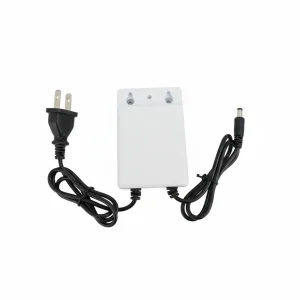
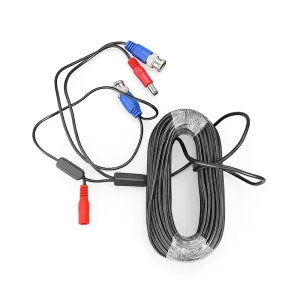
High-quality accessories, mount sets, cabling, and POE units to complete enterprise-level installations in commercial developments.
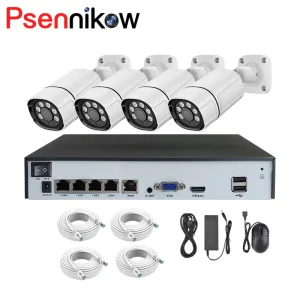
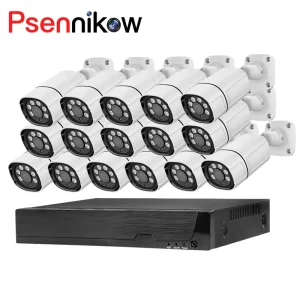
Frequently asked questions regarding imports, customization, setup, and deployment of off-grid surveillance equipment in Southern Africa.
Partner with an experienced CCTV manufacturer. Contact our technical team today to receive a complete product catalog, factory pricing sheet, and customized system design.
Send Inquiry Now Psennikow