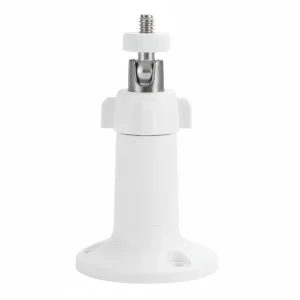
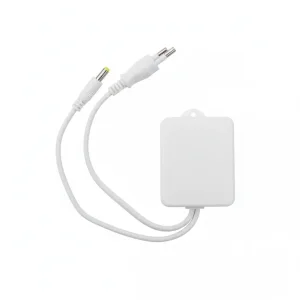
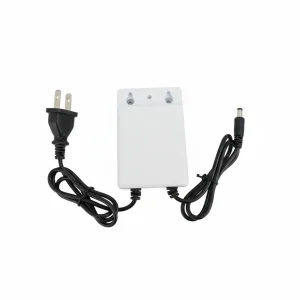
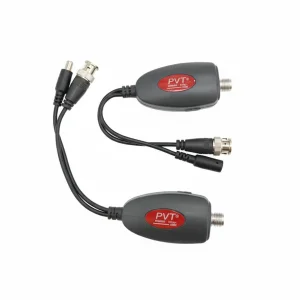
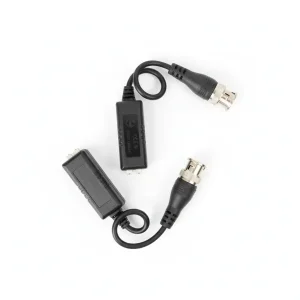
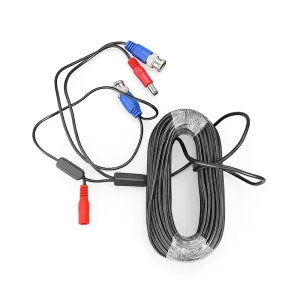
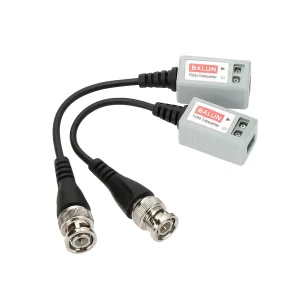
High-durability accessories and components optimized for Equatorial Guinea's remote off-grid surveillance architectures.
Equatorial Guinea, comprising the mainland Rio Muni region and the volcanic island of Bioko, presents a unique geopolitical and topographical environment for modern security systems. Rapid economic development driven by oil and gas operations, forestry, and expanding port facilities in Malabo and Bata has created a significant demand for robust, continuous surveillance.
However, the region faces notable operational challenges: centralized grid infrastructure can be inconsistent in remote oil extraction zones, high-density forest concessions, and offshore maritime channels. Deploying traditional wired CCTV networks in these remote regions requires massive capital expenditure on cabling, power substations, and grounding installations. Consequently, the Equatorial Guinean market has shifted drastically toward autonomous, solar-powered surveillance models that operate independently of local utilities.
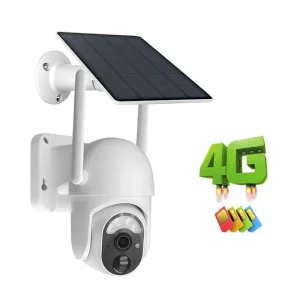
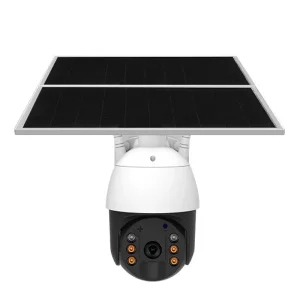
Our solar cameras are engineered specifically to survive Central Africa's equatorial climate. They offer persistent perimeter monitoring without the need for trenching, utility grid connection, or local communication wiring, using LTE networks (such as Orange EG and Getesa) to transmit high-definition video directly to centralized control centers.
Globally, the commercial and industrial security sectors are rapidly transitioning toward edge-computed AI, ultra-low-power architectures, and green energy power generation. Standard outdoor security cameras consume considerable continuous power. The modern paradigm relies on smart sleep modes combined with high-frequency passive infrared (PIR) sensors and radar detection.
Advanced monocrystalline silicon solar cells now offer conversion efficiencies exceeding 22%, paired with highly durable Lithium Iron Phosphate (LiFePO4) battery modules capable of enduring high tropical temperatures without thermal degradation. These batteries maintain system longevity through up to 3,000 charging cycles, providing reliable 24/7 coverage during extended rainy seasons or overcast weather patterns common in tropical regions.
Furthermore, the incorporation of H.265+ smart video encoding reduces mobile network data consumption by up to 70% compared to legacy H.264 configurations, a critical saving when transmitting over commercial cellular networks in West and Central Africa.
As the global hub of security electronics manufacturing, Shenzhen supplies over 70% of the world's commercial surveillance products. Shenzhen Xin Vision Technology Co., Ltd. (operating as a major brand in high-reliability imaging systems) sits at the heart of this technology ecosystem.
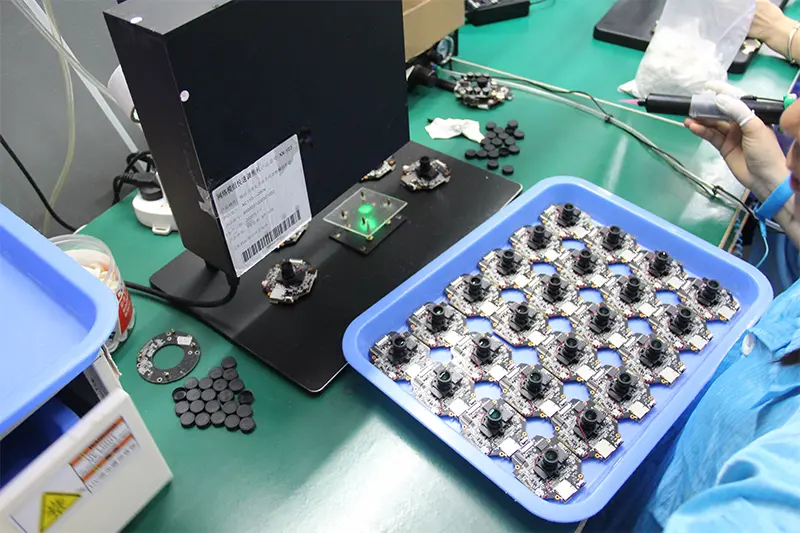
Chinese factories excel not only in terms of cost efficiency, but also in integrated supply chains, automated component placement, and comprehensive climate testing. At Shenzhen Xin Vision, our products undergo rigorous testing protocol setups, including thermal cycle chambers, salt-fog corrosion chambers (crucial for Bioko Island's marine environments), and vibration tables.
This enables custom hardware iterations (such as custom bracket molds, multi-lens configurations, and specific LTE band modifications) to move from conceptualization to mass production in fractions of the time compared to Western manufacturers.
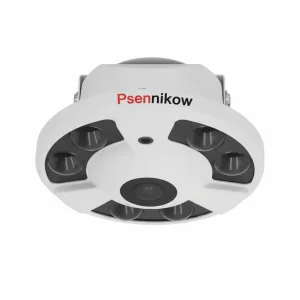
Offshore Drilling & Port Security: Malabo Port and Luba Crater Harbor require corrosion-resistant, high-definition panoramic optical equipment. Our units, combined with heavy-duty aluminum mounts, survive high-salinity marine air and monitor coastline vessels efficiently.
Remote Forestry & Concessions: Large timber operations in Rio Muni require mobile, solar-powered cellular cameras that can easily be relocated to new logging sites. These units function as active deterrents against illegal logging and poaching.
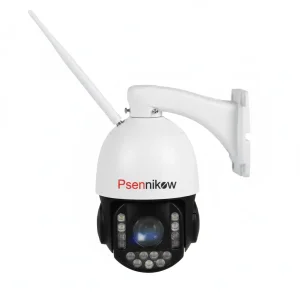
Infrastructure Construction Projects: The ongoing expansion of transport networks across Equatorial Guinea leaves heavy equipment vulnerable to theft in unpowered staging zones. Using 4G PTZ solar cameras allows construction project managers to secure high-value assets remotely via smartphone apps or centralized VMS platforms.
Shenzhen Xin Vision Technology Co., Ltd. (also known as Shenzhen Xin shi jiao Technology Co., Ltd.) was established in 2013 and has built over a decade of deep engineering expertise in the security industry. Guided by our foundational principles of professionalism, integrity, and mutual win-win cooperation, we operate as a fully integrated, high-technology enterprise spanning research & development, quality manufacturing, global sales, and engineering support.
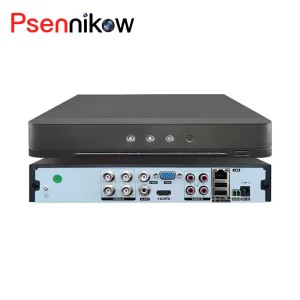
We specialize in high-efficiency low-power solar cameras, industrial network IP cameras, and integrated CCTV systems designed for global deployment. Our products are widely utilized in government administration, intelligent transportation systems, enterprise compounds, residential areas, healthcare centers, public safety divisions, and off-grid remote project sites.

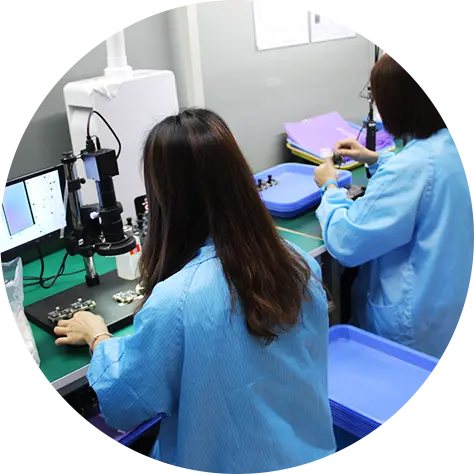
Our engineering team continues to innovate, developing high-efficiency coaxial HD technologies and digital network cameras that bypass the transmission range limitations of legacy analog cameras. By implementing IP-based wireless solutions, we ensure stable data security even under extreme operational environments.
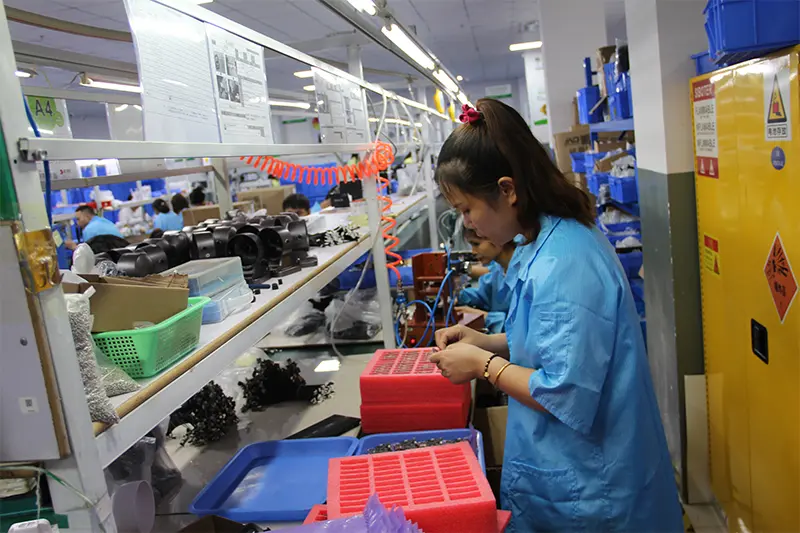
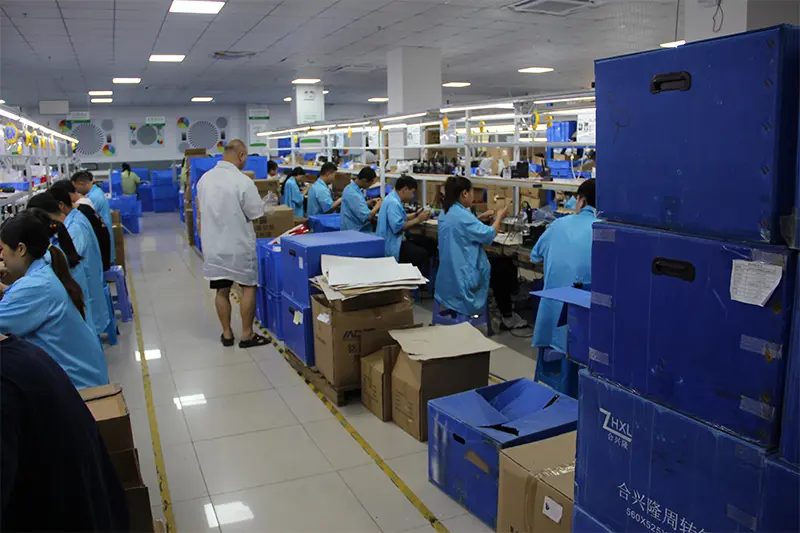
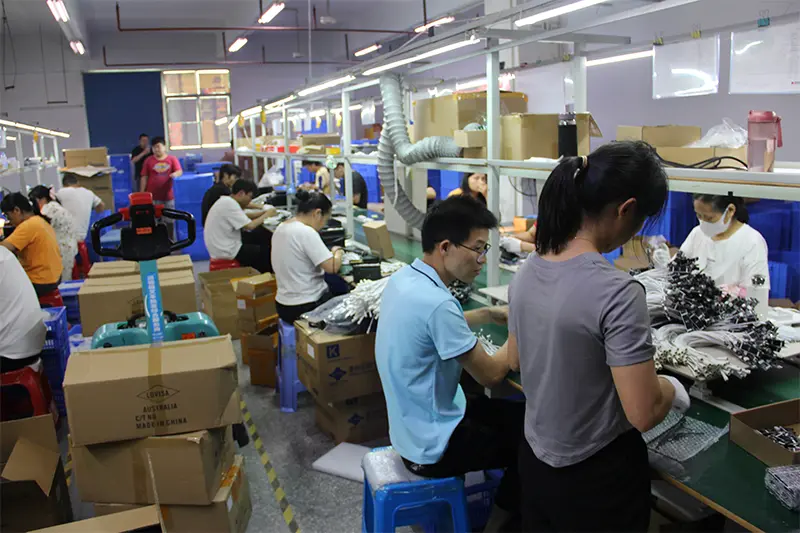
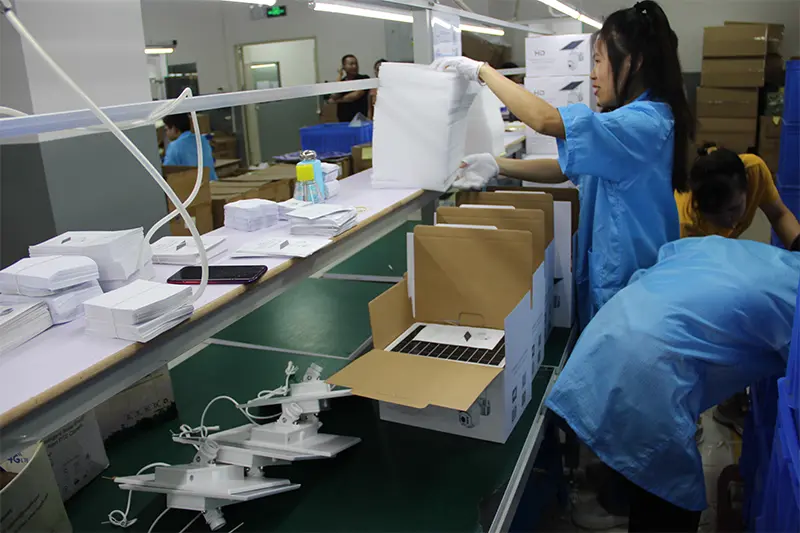
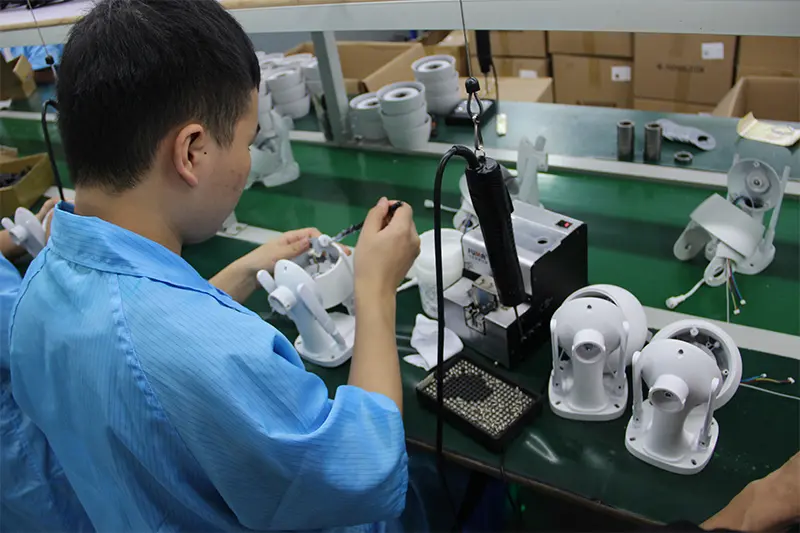
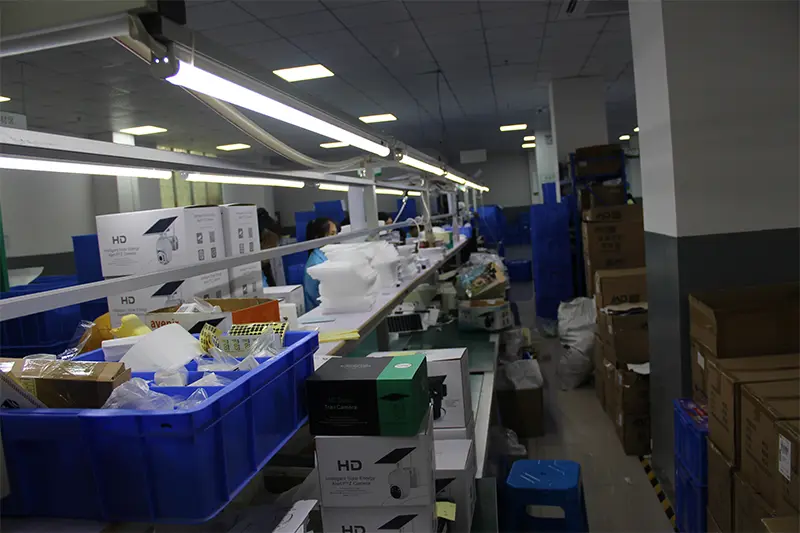
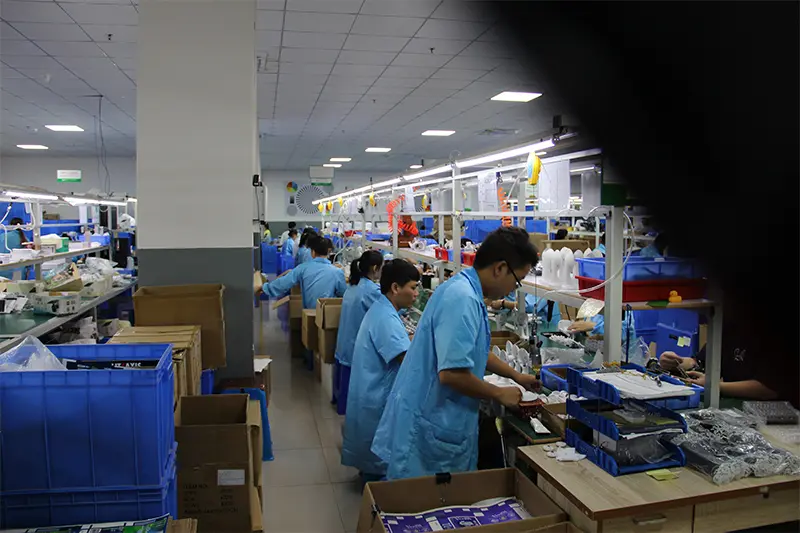
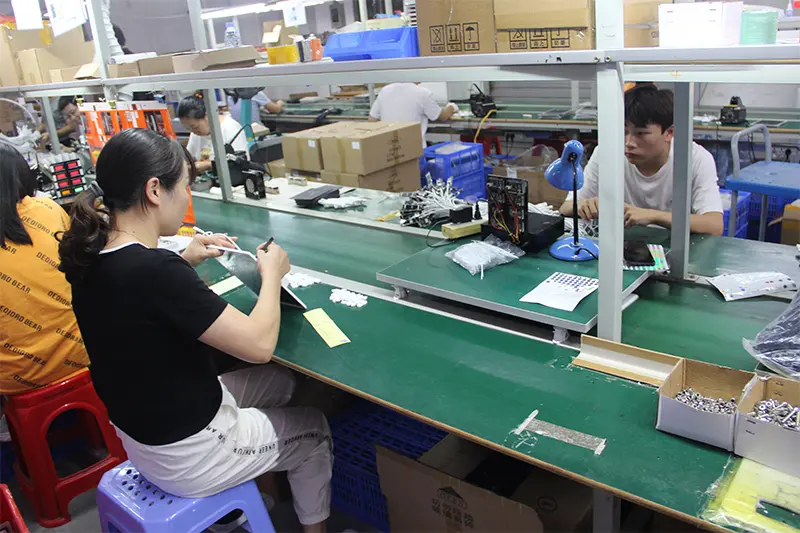
High-performance optical hardware, network transceiver baluns, and complete solar CCTV surveillance solutions optimized for industrial projects.
Get direct-from-factory rates, specialized technical customization for African networks, and robust climate-proof structural hardware designs.
Send Inquiry Now Psennikow