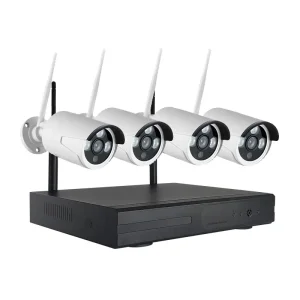
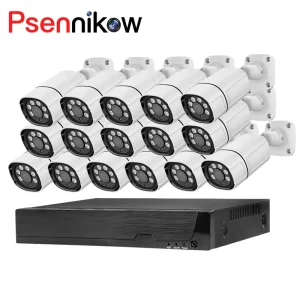
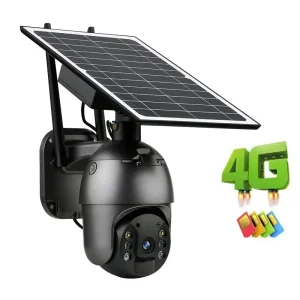
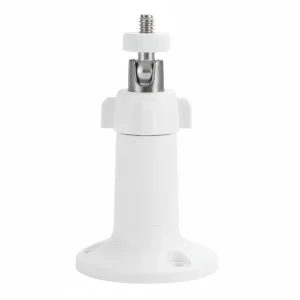
High-performance brackets, specialized power adapters, and long-range video transmission elements tailored for Lisbon regional projects.
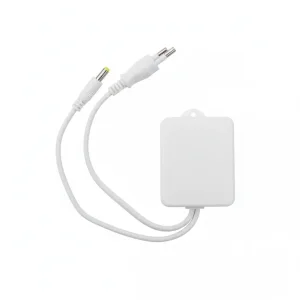
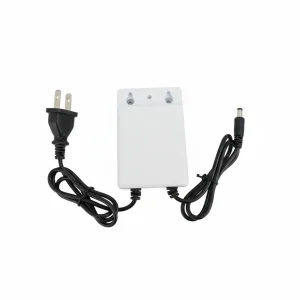
The Lisbon metropolitan area, spanning from Sintra's microclimates to the heavy industrial maritime corridors of the Port of Lisbon (Porto de Lisboa), experiences unique geographical challenges. Blessed with over 2,800 hours of solar radiance annually, Portugal stands as a prime market for off-grid deployment. Solar security cameras resolve a major structural hurdle: provisioning high-bandwidth IP video security in historic zones (e.g., Alfama, Bairro Alto) and rural agricultural terrains (Alentejo/Ribatejo borders) where excavation for copper or fiber cabling is legally prohibited or economically unfeasible.
With the European Union’s focus on the Green Deal and carbon-neutral smart city frameworks, municipal planners and commercial developers across Portugal are mandating solar-powered IoT systems. Deploying energy-autonomous solar CCTV nodes reduces lifecycle operational costs by up to 65% while providing resilient perimeter protection unaffected by municipal grid outages.

Translating advanced low-power camera architecture into solving real-world Portuguese engineering challenges.
Securing vast container terminals requires heavy-duty cameras built with anti-saline structures. Utilizing high-efficiency solar units allows the port authority to instantly expand perimeter security across temporary customs holding zones without routing high-voltage power lines through dynamic cargo lanes.
Portuguese olive groves and vineyards stretch across thousands of off-grid hectares. Our low-power LTE solar cameras provide remote crop health monitoring and high-definition livestock surveillance, operating continuously on clean solar reserves with 4G/LTE cloud transmission.
Forest reserves in Sintra-Cascais Natural Park require constant monitoring to prevent devastating summer wildfires. Solar cameras fitted with thermal sensors and customized AI edge firmware detect early smoke plumes, relaying telemetry markers directly to regional protection agencies.
Modern solar surveillance depends heavily on efficiency margins. A standard 1080p continuous recording IP camera consumes approximately 5-8 Watts, which would demand an oversized solar panel and battery system. Our technological framework bridges this divide through several proprietary low-power protocols.
We incorporate PIR (Passive Infrared) and advanced radar wake-up triggers that keep the core CPU in a deep sleep state (consuming less than 0.15mA) until motion is detected. When triggered, the system reaches full 4K streaming functionality in under 800 milliseconds, ensuring zero missed events while extending system autonomy to virtually infinite levels under average Lisbon weather conditions.
| Component Block | Industrial Specification | Operational Advantage in Lisbon |
|---|---|---|
| Solar Panel Core | Monocrystalline Silicon (22.5% Efficiency) | High energy conversion during winter overcast cycles. |
| Battery Chemistry | LiFePO4 (Lithium Iron Phosphate) | Up to 3,000 charge cycles, operating safely up to 60°C. |
| Sleep State Consumption | <0.002W (Deep Sleep Mode) | Allows up to 30 days of continuous operation without sunlight. |
| AI Inference Engine | Integrated NPU (0.5 TOPS Edge AI) | On-device human/vehicle detection reducing false triggers. |
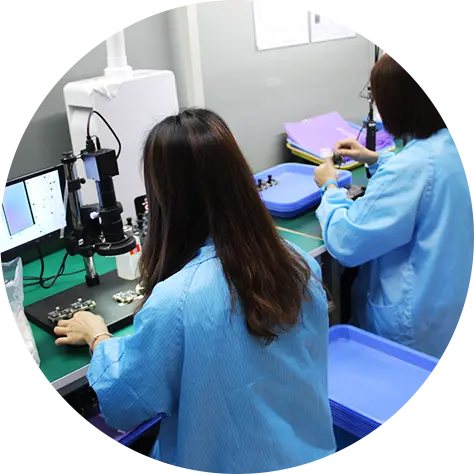
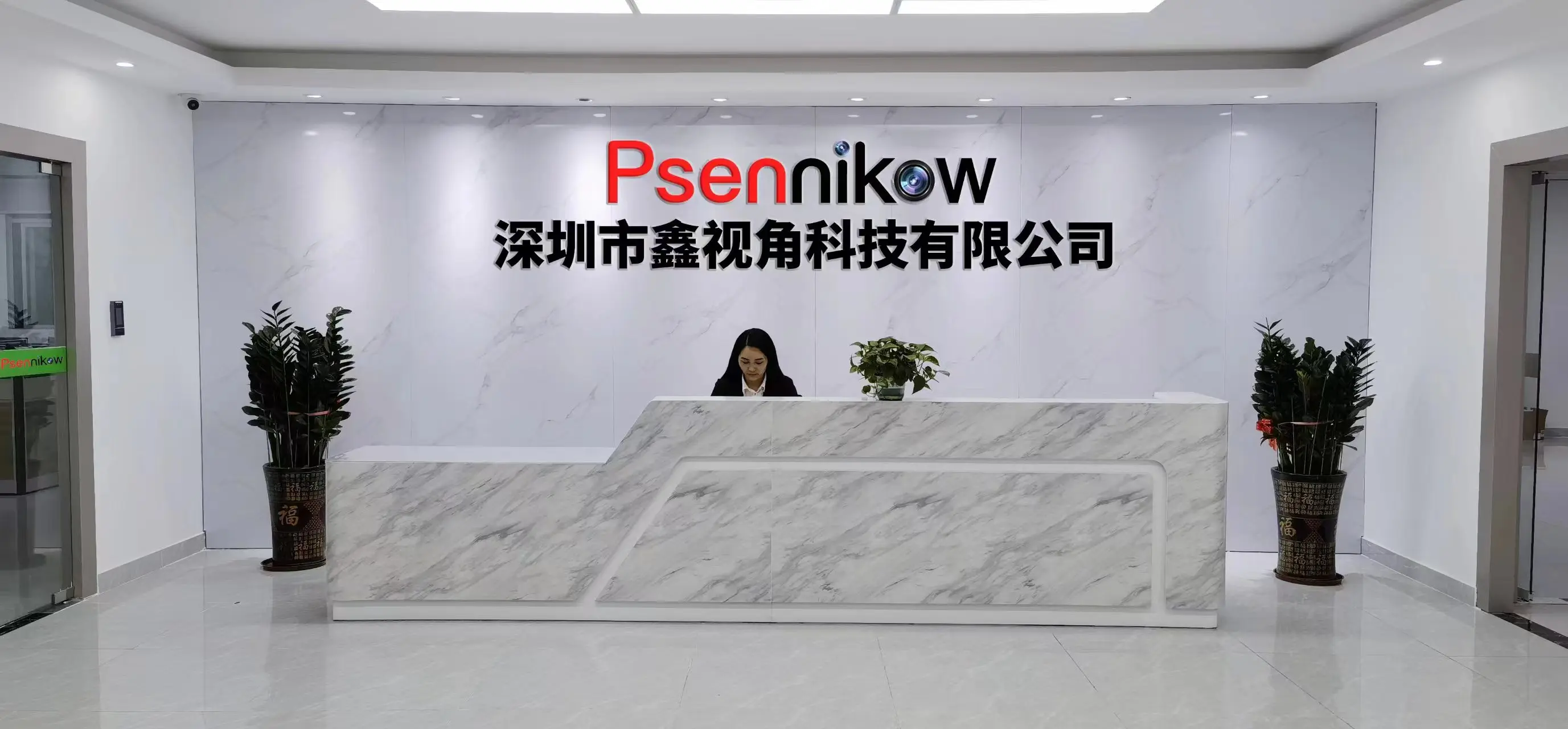
Founded in 2013, Shenzhen Xin Vision Technology Co., Ltd. (also known in the market as Shenzhen Xin shi jiao Technology Co., Ltd.) brings over 15 years of industry-leading surveillance engineering experience. Our advanced security products are deployed globally in government facilities, metropolitan transit hubs, high-security smart communities, educational institutions, and public safety divisions.
With a core business philosophy focused on professional execution, integrity, and shared success, we maintain a comprehensive industrial loop integrating expert R&D, advanced manufacturing, dynamic global sales, and reliable technical support. Our primary product ranges cover low-power solar security units, multi-spectral network IP cameras, and wireless integrated security suites, designed to provide high-quality surveillance across both network-connected and remote, off-grid locations.
Our specialized engineers continue to pioneer technological milestones. Recognizing the limits of standard analog security cameras, our teams designed high-definition coaxial systems alongside advanced digital network cameras to eliminate signal interference and bypass traditional transmission distance barriers. Today, our research is directed toward solar energy autonomy and edge AI, ensuring that businesses across Europe and Lisbon have access to resilient security hardware.
Direct sourcing from our Shenzhen factory provides Lisbon B2B buyers with component transparency, strict quality testing, and robust supply chain resilience.
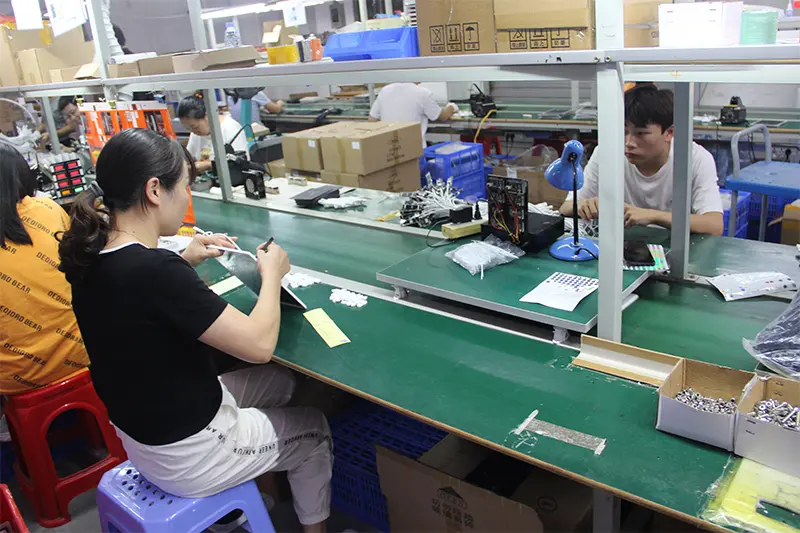
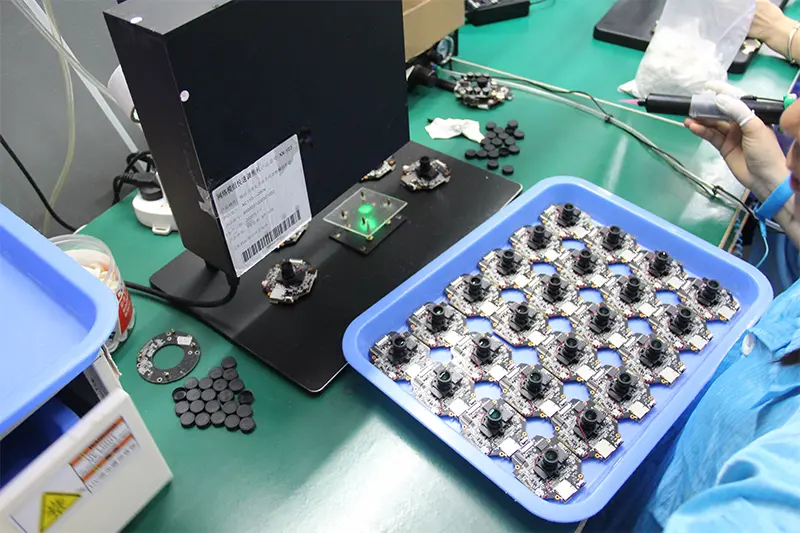
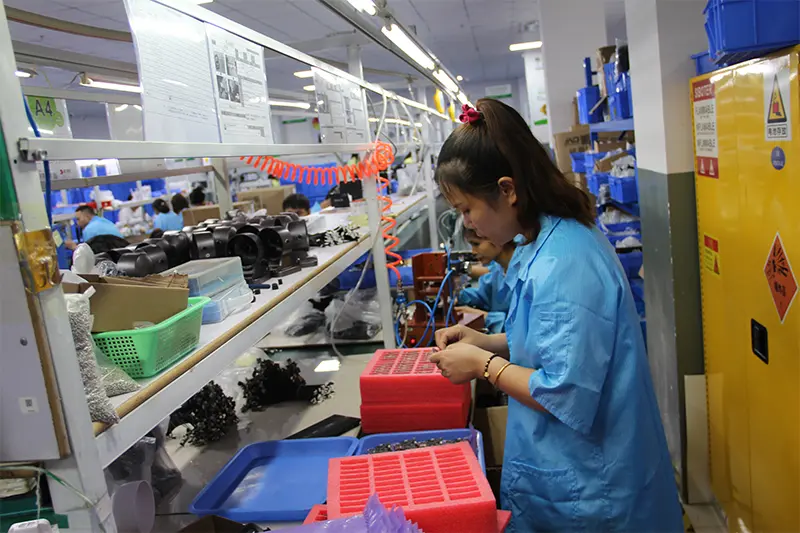
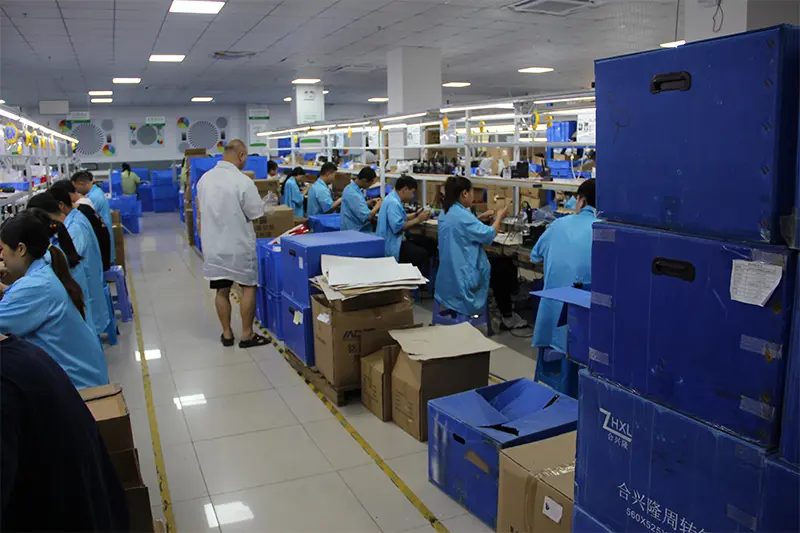
Our state-of-the-art facilities implement rigorous automated quality monitoring, guaranteeing that every solar camera and accessory shipped to the Portuguese market functions perfectly under extreme conditions.
By partnering directly with our manufacturing facilities in Shenzhen, Lisbon system integrators, municipal engineering departments, and security distributors can bypass multiple middleman markups. This direct access offers up to a 35% cost reduction compared to regional brokers. Additionally, our localized logistics support facilitates direct shipping channels straight into the Port of Lisbon or Humberto Delgado Airport, backed by pre-cleared customs documentation.
Direct coordination with our engineering team enables custom hardware and software configurations. Whether you require specific Lisbon cellular APN presets pre-loaded into 4G LTE modems, custom OEM logo branding on aluminum housings, or integrated API endpoints mapping video feeds to local Portuguese servers, our direct-factory pipeline makes execution fast and accurate.
Customize camera hardware, solar panel size, and firmware parameters for Portugal's regulations.
Automated optical inspection, waterproof testing, and 48-hour continuous burn-in.
Hassle-free shipping directly to your warehouse with full CE, RoHS, and WEEE compliance.
Meeting Portugal's strict security regulations is essential for legal surveillance deployment.
Our cameras feature firmware-level privacy masking, allowing installers to block public zones (such as public roads or neighboring residential spaces) before recording, matching CNPD guidelines.
Data stored locally on SD cards or local NAS servers is protected with AES 256-bit encryption. Even in the event of camera physical tampering, the recorded footage remains inaccessible without verification.
Our cloud options utilize EU-based data centers (AWS Frankfurt/Dublin). This guarantees video storage complies with EU data sovereignty laws, keeping you safe from cross-border legal liabilities.
Examine our specialized solar cameras, high-definition transceiver components, and outdoor wiring solutions.
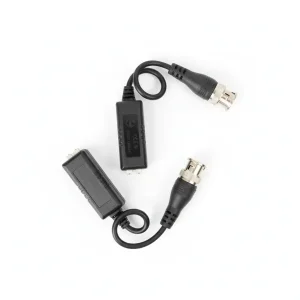
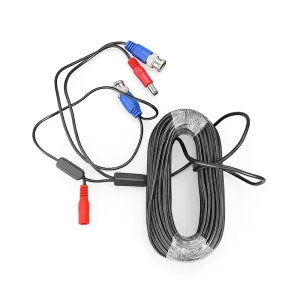
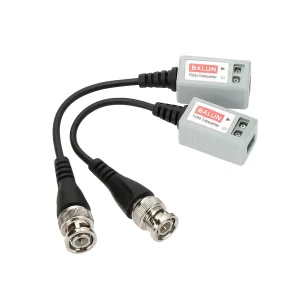
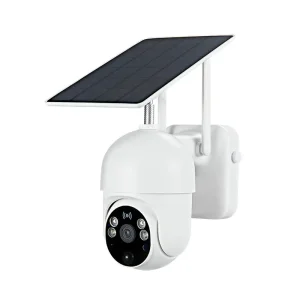
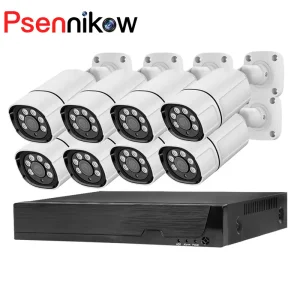
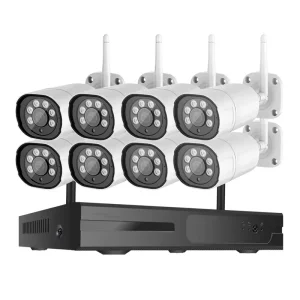
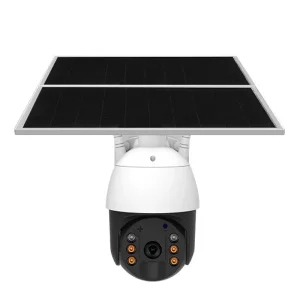
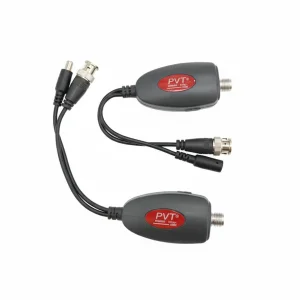
Detailed answers addressing critical questions on engineering, battery longevity, and network parameters for Portuguese procurement managers.
While Lisbon receives excellent sunshine, winter months (December to February) show a drop in solar irradiance to around 2.1 kWh/m²/day, compared to over 7.8 kWh/m²/day in July. To ensure stable system operation, we configure our solar camera power arrays using a 3:1 harvesting ratio. This design balances winter consumption and storage recharge rates, allowing the system to operate through consecutive days of overcast skies.
Lithium Iron Phosphate (LiFePO4) batteries provide superior thermal stability, operating safely up to 60°C without risk of thermal runaway. This is essential for enclosed camera housings exposed to direct Lisbon summer sunlight. Additionally, LiFePO4 batteries support over 3,000 charge cycles at 80% Depth of Discharge, compared to 500 cycles for traditional Li-ion cells, giving our systems a field operating life of over 8 years.
False triggers from wind, vegetation, or small animals are a major source of battery drain on wireless networks. Our systems combine dual PIR sensors with 24GHz radar telemetry and an edge NPU. The camera's main processing unit remains in low-power sleep mode until the PIR detects a heat signature, at which point the radar verifies target distance and volume. If human or vehicle parameters are confirmed, the camera starts high-definition recording and sends a notification.
Our cameras feature automatic edge storage failover. If the cellular network (MEO, NOS, or Vodafone) drops, the camera continues to write video events locally to the onboard industrial microSD card (up to 256GB). Once connection is restored, the device runs a background sync process, uploading missing recordings to the centralized VMS or cloud dashboard.
Yes, our cameras are fully ONVIF Profile S/T/G compliant. This enables direct integration into existing enterprise control rooms using platform services like Milestone XProtect, Genetec Security Center, or Synology Surveillance Station.
Get in touch with our engineering team for custom solar calculations, localized GDPR guidance, and direct-factory pricing.
 Psennikow